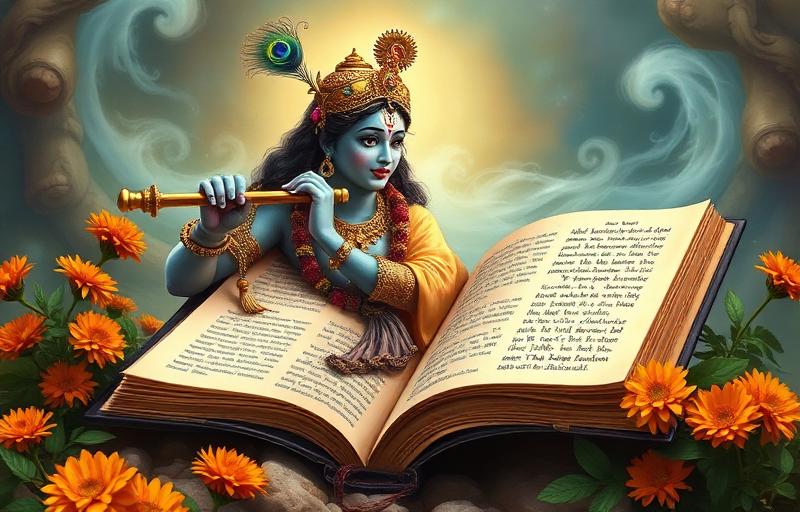
Remove Negative Thoughts – Spiritual Methods
मन में negative thoughts आना natural है, लेकिन जब ये thoughts control से बाहर हो जाएं तो life difficult हो जाती है। Anxiety, overthinking, fear, और self-doubt – ये सब negative thinking के results हैं।
Indian spirituality में इसके powerful solutions हैं। यहां हम share कर रहे हैं proven spiritual methods जो negative thoughts दूर करते हैं।
🎧 सभी आरती, मंत्र और भजन एक ही जगह सुनें – Vandnaa App डाउनलोड करें।
1. Mantra Chanting (मंत्र जप)
मंत्र जप negative thoughts का सबसे effective solution है:
- 'ॐ' chanting – 5 min daily, vibrations मन शांत करती हैं
- Gayatri Mantra – बुद्धि शुद्ध होती है, clarity आती है
- Hanuman Chalisa – भय और negativity तुरंत दूर होती है
- 'ॐ नमः शिवाय' – inner peace और stability
- Maha Mrityunjaya Mantra – healing और protection
Science: Repetitive mantra chanting activates parasympathetic nervous system जो 'rest and digest' mode है। इससे cortisol (stress hormone) कम होता है।
2. Meditation (ध्यान)
Daily 10-15 min meditation से negative thoughts observe करना सीखो:
1. शांत जगह बैठें 2. आंखें बंद करें 3. सांसों पर ध्यान दें 4. Thoughts आने दें – judge मत करो 5. बस observe करो – 'ये एक thought है, बस' 6. Breath पर वापस आओ
Meditation negative thoughts को remove नहीं करती – उनकी power कम करती है। आप thoughts को control नहीं कर सकते, लेकिन उन पर react न करना सीख सकते हैं।
3. Daily Puja & Aarti (दैनिक पूजा)

Regular puja और aarti से घर और मन दोनों purify होते हैं:
- सुबह-शाम दीपक जलाएं – light darkness दूर करती है
- Aarti गाएं – positive vibrations fill होती हैं
- Dhoop/Agarbatti जलाएं – negative energy cleanse होती है
- प्रसाद बांटें – sharing से positivity बढ़ती है
Vandnaa App पर सभी aartis available हैं – daily पूजा को complete बनाएं!
🎧 Listen all aartis, mantras & bhajans in one place. Download Vandnaa App.
5 Practical Tips (व्यावहारिक सुझाव)
1. Gratitude Journal – रोज़ 3 अच्छी चीज़ें लिखें 2. Positive company – सकारात्मक लोगों के साथ रहें 3. Social media detox – दिन में 1 hour limit 4. Nature walk – प्रकृति में समय बिताएं 5. Seva (सेवा) – दूसरों की मदद करें
Remember: Negative thoughts natural हैं। Problem tab होती है जब हम उन्हें believe करने लगते हैं।
Understanding Your Thoughts: Sattva, Rajas, and Tamas
The Bhagavad Gita and Samkhya philosophy classify all thoughts into three types based on their quality:
Sattvic Thoughts (Sattva - the quality of clarity and harmony): Thoughts that generate insight, gratitude, compassion, creativity, and love. These thoughts feel expansive - they open possibilities and deepen understanding. Examples: 'How can I help?', 'What am I grateful for?', 'This challenge is making me stronger', 'Everything will work out.'
Rajasic Thoughts (Rajas - the quality of passion and restlessness): Thoughts driven by desire, ambition, agitation, and comparison. Not always harmful - they motivate action - but in excess they create anxiety and can never settle. Examples: 'I need more', 'Why does he/she have what I don't?', 'I must achieve this now', constant planning without present-moment awareness.
Tamasic Thoughts (Tamas - the quality of inertia and delusion): Thoughts that cloud the mind: depression, hopelessness, denial, addiction, blame, and lethargy. Examples: 'Nothing will ever change', 'I'm not worth it', 'What's the point?', 'I give up.'
How to use this knowledge: Most negative thoughts are either Rajasic (anxiety-driven) or Tamasic (depression-driven). When you notice a negative thought, pause and ask: 'Is this Rajasic or Tamasic?' This labelling alone creates distance from the thought.
The remedy:
- Rajasic thoughts → slow down, breathe, chant Om, do Yin Yoga or slow walking
- Tamasic thoughts → energise, get sunlight, do Surya Namaskar, chant Hanuman Chalisa (Hanuman is the master of Rajas transformed into service)
Over time, consistent mantra practice, meditation, and sattvik food will naturally shift your baseline thought-quality toward Sattva.
Pranayama for Negative Thoughts: Your Breath is the Control Panel

Modern neuroscience has confirmed what yogis knew millennia ago: the breath is the one automatic function of the body you can consciously control - and changing your breath directly changes your mental state within seconds, not minutes.
When you are overwhelmed by negative thoughts, your breathing is typically shallow, rapid, and chest-centred. This signals 'danger' to the nervous system, which reinforces the negative thought loop. Breaking the breath pattern breaks the thought pattern.
Technique 1 - Anulom Vilom (Alternate Nostril Breathing): The most effective pranayama for balancing a disturbed mind.
How to: 1. Sit upright, close your right nostril with your right thumb 2. Inhale through the left nostril for 4 counts 3. Close both nostrils (thumb + ring finger), hold for 4 counts 4. Release the right nostril, exhale for 4 counts 5. Inhale through the right nostril for 4 counts 6. Hold both for 4 counts 7. Exhale through the left nostril This is one cycle. Complete 9–11 cycles.
Science: Anulom Vilom activates both brain hemispheres alternately, reducing stress and increasing emotional regulation. Studies show 15 minutes reduces anxiety markers comparable to pharmaceutical intervention.
Technique 2 - 4-7-8 Breathing (Modified Pranayama):
- Inhale for 4 counts
- Hold for 7 counts
- Exhale for 8 counts
This pattern activates the parasympathetic nervous system within 3–4 breath cycles. Use for acute anxiety or panic.
Technique 3 - Kapalbhati: For tamasic (heavy, depressive) negative thoughts. Forced exhalations through the nose at 1 breath per second for 2–5 minutes. This oxygenates the prefrontal cortex and dramatically elevates mood. Caution: avoid if pregnant, hypertensive, or with recent abdominal surgery.
Daily recommendation: 5 minutes of Anulom Vilom every morning before your mantra practice creates a clean emotional baseline for the entire day.
🎧 Guided pranayama sessions available on the Vandnaa App.
Svadhyaya: The Ancient Art of Self-Study for Removing Negativity
Svadhyaya (स्वाध्याय) is the fourth Niyama in Patanjali's Yoga Sutras - meaning 'self-study' or 'self-inquiry.' It is the practice of turning the light of awareness inward to understand the roots of your thinking.
In modern psychology, this maps closely to cognitive behavioural therapy (CBT) - examining the automatic negative thoughts (ANTs) and questioning their validity. But the yogic version goes deeper: it asks not just 'is this thought true?' but 'who is the one having this thought?' - ultimately pointing to the Self beyond the thought.
The Svadhyaya Journaling Practice: Spend 5–10 minutes each evening with a pen and paper (not a phone):
1. Observe: Write the most persistent negative thought you had today. Just write it - no judgment. Example: 'I'm not good enough for this promotion.'
2. Question: Is this thought true? What would I need to verify it? What evidence exists against it? Example: 'I completed three major projects this quarter. My manager gave positive feedback twice.'
3. Reframe (not toxic positivity, but accurate truth): Write a more accurate replacement thought. Example: 'I have worked hard and produced results. Promotion decisions involve factors I do not control.'
4. Origin: Ask: 'Who taught me to think this way? Was it a parent, a teacher, a past failure? Is this thought mine or borrowed?'
5. Release: Write: 'I release this thought. It has served its purpose. I am not this thought.'
Overtime, this practice reveals patterns - you will notice that most of your negative thoughts are variations of 2–3 core beliefs (often around worthiness, safety, or belonging). When you name the pattern, you begin to dissolve it.
Pairing with mantra: After the journaling session, chant the Gayatri Mantra 11 times. The mantra after self-inquiry plants the cleansed mind into the field of divine intelligence.
🎧 The Vandnaa App has a guided Svadhyaya meditation to pair with this journaling practice.
What People Ask Most
नकारात्मक विचार कैसे दूर करें?+
मंत्र जप, ध्यान, दैनिक पूजा, gratitude practice, और positive company – ये सब मिलकर negative thoughts दूर करते हैं।
Which mantra removes negative thoughts?+
Gayatri Mantra, Hanuman Chalisa, और 'ॐ' chanting सबसे effective हैं। Daily practice ज़रूरी है।
How long does it take to remove negativity?+
21 days of consistent practice से noticeable difference आता है। 3 months में significant transformation होता है।
Can spirituality cure anxiety?+
Spiritual practices reduce anxiety significantly. However, severe anxiety should also be addressed with professional help. Spirituality + therapy = best results.
मन शांत कैसे करें?+
5 min ॐ chanting, deep breathing, daily aarti, और nature walk – ये simple practices मन को शांत करती हैं।
About the author
Pandit Ravindra Sharma · Vedic Rituals & Bhakti, 22+ years
Pandit Ravindra is the Vandnaa editorial team's resident specialist on aarti, chalisa, and daily devotion. He has performed home and temple pujas across Varanasi and Delhi for over two decades and contributes the bhakti-focused articles on this site.
Meet the Vandnaa editorial team →