What Is Rongali Bihu and When Is It Celebrated
Rongali Bihu, also known as Bohag Bihu, is Assam's most joyous festival, celebrated in mid-April to welcome spring and mark the Assamese new year. It falls around the same time as Baisakhi, Puthandu and Vishu, part of a wider cluster of new year festivals celebrated across India in this season.
The festival typically spans several days, with each day carrying its own name and purpose, though the celebrations and community gatherings often continue for the better part of the month in villages across Assam.
Roots in the Rhythm of the Land
Rongali Bihu is deeply agrarian in its origin, tied to the sowing season and the cycles of nature that Assam's farming communities have followed for generations. The festival is understood as a way of aligning human life with the turning of the seasons, giving thanks for the land and the cattle that sustain it.
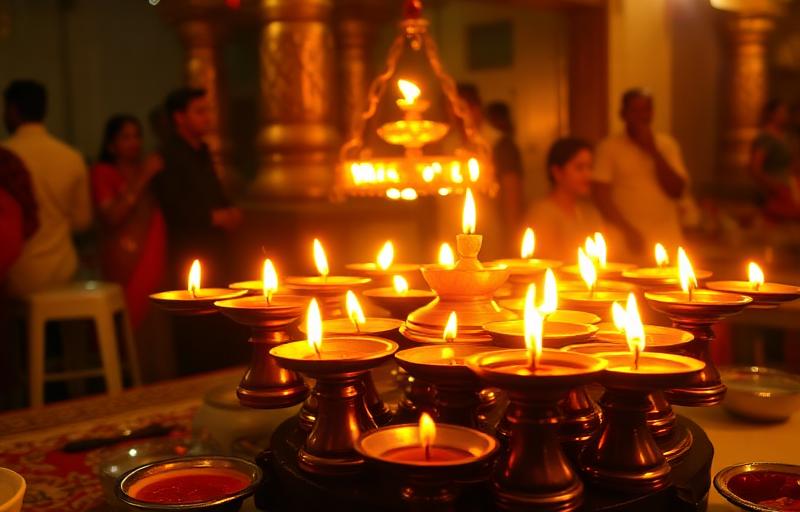
While the festival's roots are agricultural, it carries devotional undertones through the worship of cattle and nature, and many families visit temples and Namghars, the community prayer halls central to Assamese Vaishnavite tradition, during this period.
Goru Bihu and Manuh Bihu
The festival opens with Goru Bihu, the cattle day, when cows are bathed in rivers and ponds, rubbed with turmeric and black gram paste, and offered fresh vegetables like brinjal and bottle gourd, thanking them for their role in farming.
The following day is Manuh Bihu, the human day, marking the actual new year. People bathe, wear new clothes, seek blessings from elders by touching their feet, and exchange gamosa, the traditional woven cloth, as a gesture of respect and love. Community grounds fill with Bihu dance and Bihu songs, performed by young men and women in vibrant traditional attire, celebrating fertility, love and the new farming season.
Part of a Larger Spring Family

Rongali Bihu belongs to a remarkable cluster of new year festivals that fall around the same mid-April week across India, including Baisakhi in Punjab, Puthandu in Tamil Nadu, Vishu in Kerala and Poila Boishakh in Bengal. Each region built its own distinct customs, yet all of them mark the sun's movement and the start of a new agricultural cycle.
What makes Bihu distinct within this family is its emphasis on music and dance as a devotional and communal expression, with Bihu songs passed down through generations as an oral tradition celebrating nature, love and gratitude.
Bhog and Blessings
Prayers during Bihu are simple and heartfelt, often offered at the local Namghar with invocations to Vishnu, alongside gratitude to nature and ancestors for the season's abundance.
The bhog of the season includes pitha, rice cakes made with fresh harvest rice, laru made from til and coconut, and jolpan, a traditional breakfast platter shared with family and guests during the festive days.
A Festival of Gratitude and Joy
Rongali Bihu shows how devotion can be expressed not only through ritual but through song, dance and the simple act of touching an elder's feet for blessings. It teaches that gratitude for the land and its cycles is itself a form of worship.
Worship is an act of faith and love, not a transaction, and Bihu's spirit of community, music and thanksgiving carries that truth in a way that continues to bring Assam together every spring.
What People Ask Most
What is the difference between Rongali Bihu and other Bihu festivals?+
Assam celebrates three Bihu festivals through the year, Rongali or Bohag Bihu in spring marking the new year, Kongali Bihu in autumn, and Bhogali or Magh Bihu in winter tied to the harvest, each with its own mood and rituals.
Why are cattle worshipped during Bihu?+
Cattle have traditionally been central to Assam's farming life, and Goru Bihu is a way of expressing gratitude to them for their role in agriculture, a devotional gesture rooted in respect for the animals that sustain the harvest.
What role does the Namghar play during Bihu?+
The Namghar is the community prayer hall central to Assamese Vaishnavite tradition, and many families visit it during Bihu to offer prayers and gather as a community, connecting the festival's joy to its devotional roots.
About the author
Pandit Mahesh Trivedi · Festival Traditions & Panchang
Pandit Mahesh leads the festival-date and Panchang content on Vandnaa. He cross-references multiple regional panchangs (Drik, Vaishnava, Bengali, Marathi) for every festival date published on the site.
Meet the Vandnaa editorial team →