Who is Santana Lakshmi?
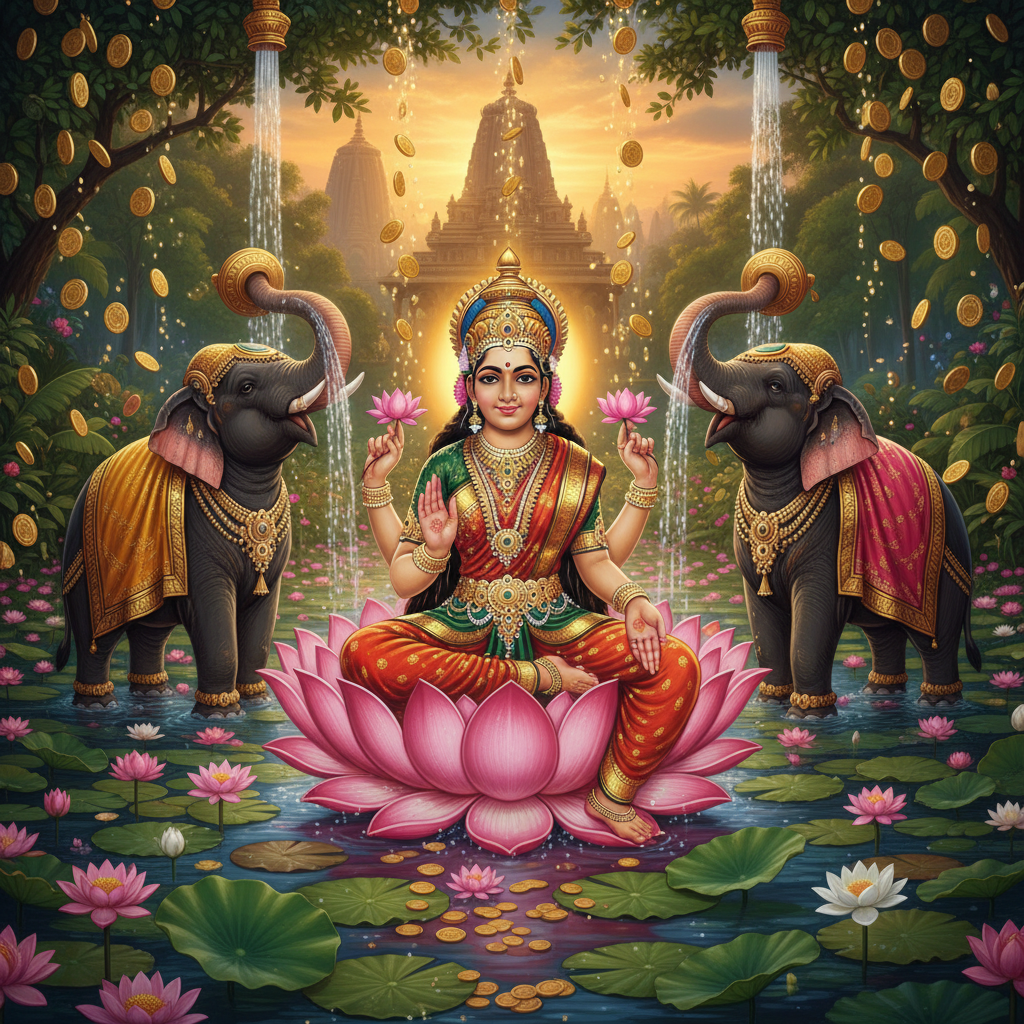
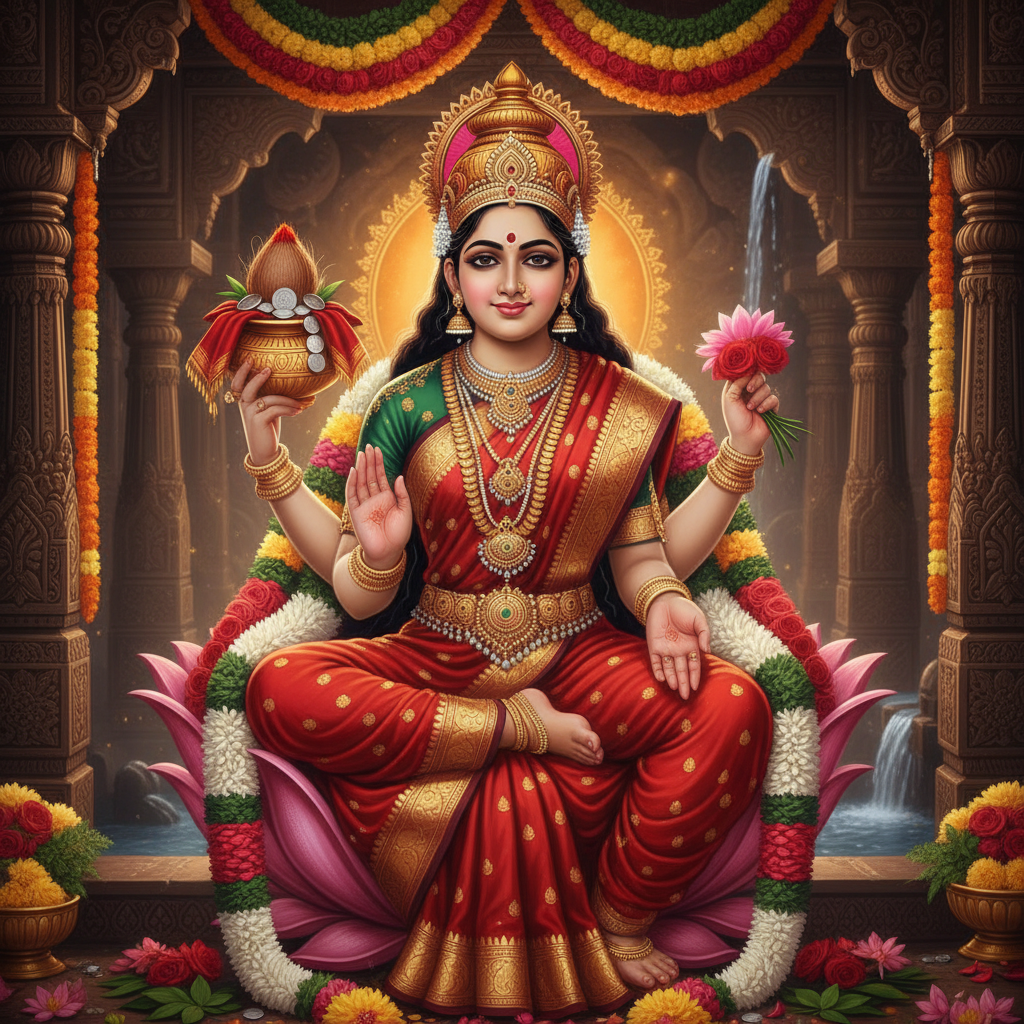
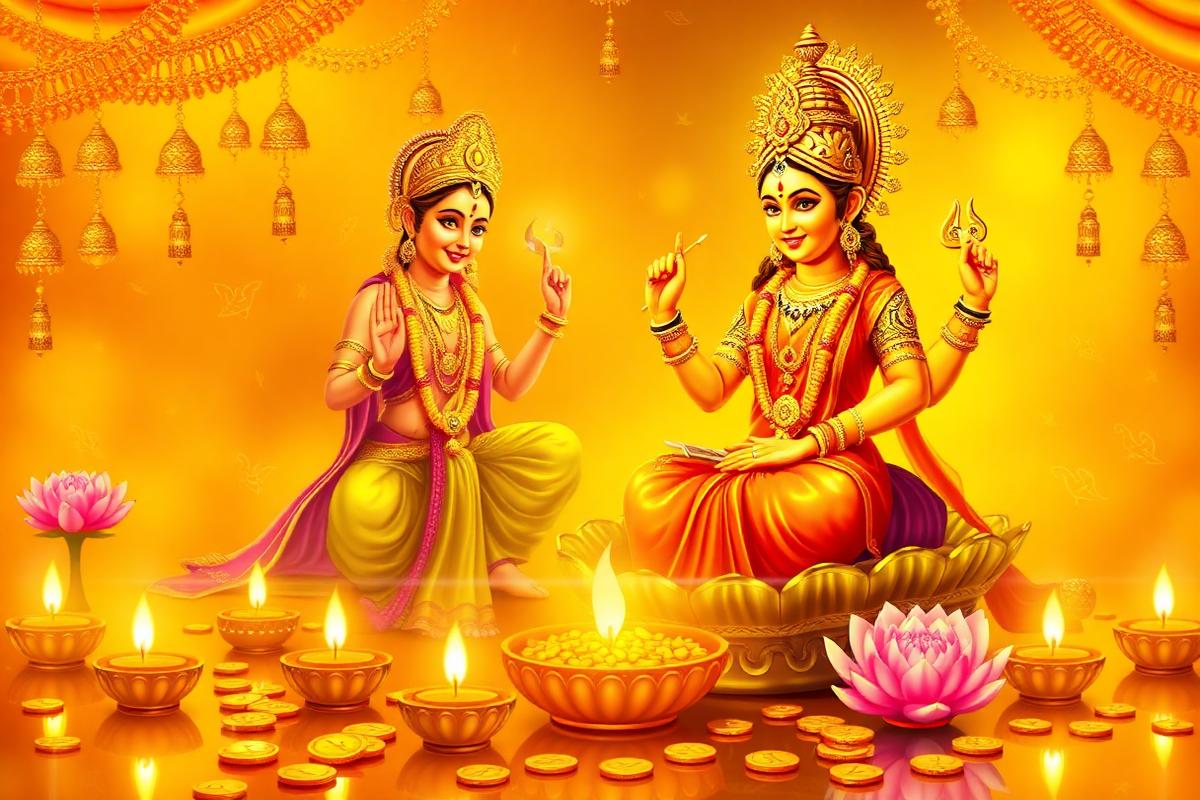
Santana Lakshmi is the form of Ashta Lakshmi associated with children and progeny. The word Santana means offspring or lineage, and this aspect of the goddess is worshipped by families hoping for the blessing of children, and by parents seeking the wellbeing and long life of the children they already have.
In many depictions, Santana Lakshmi is shown seated with a child on her lap, radiating maternal warmth, gentleness and protection. She reflects the belief, deeply held in Hindu family life, that children are among the greatest blessings and wealth a household can receive.
Significance in Family Life
In Hindu tradition, wealth without family is often considered incomplete. Santana Lakshmi represents this understanding - that the joy of raising children, watching a family grow, and passing on values and traditions to the next generation is itself a form of divine abundance.
Families also turn to Santana Lakshmi during difficult times, such as when trying to conceive or when a child in the family is unwell, seeking her protective, nurturing grace. Her blessing is understood not only as granting children but as ensuring their safety, health and good character as they grow.
Connection to Other Traditions of Devi Worship
The prayer for children and family wellbeing is one of the oldest devotional themes in Hindu worship, seen also in the reverence for goddesses like Shashthi, who is traditionally invoked for the protection of newborns and children. Santana Lakshmi's worship echoes this same maternal, protective devotion within the Ashta Lakshmi tradition.
Many families combine prayers to Santana Lakshmi with visits to family deities or ancestral shrines, seeing the continuation of the family line as connected to the blessings of both the mother goddess and one's own lineage.
How Devotees Worship Santana Lakshmi
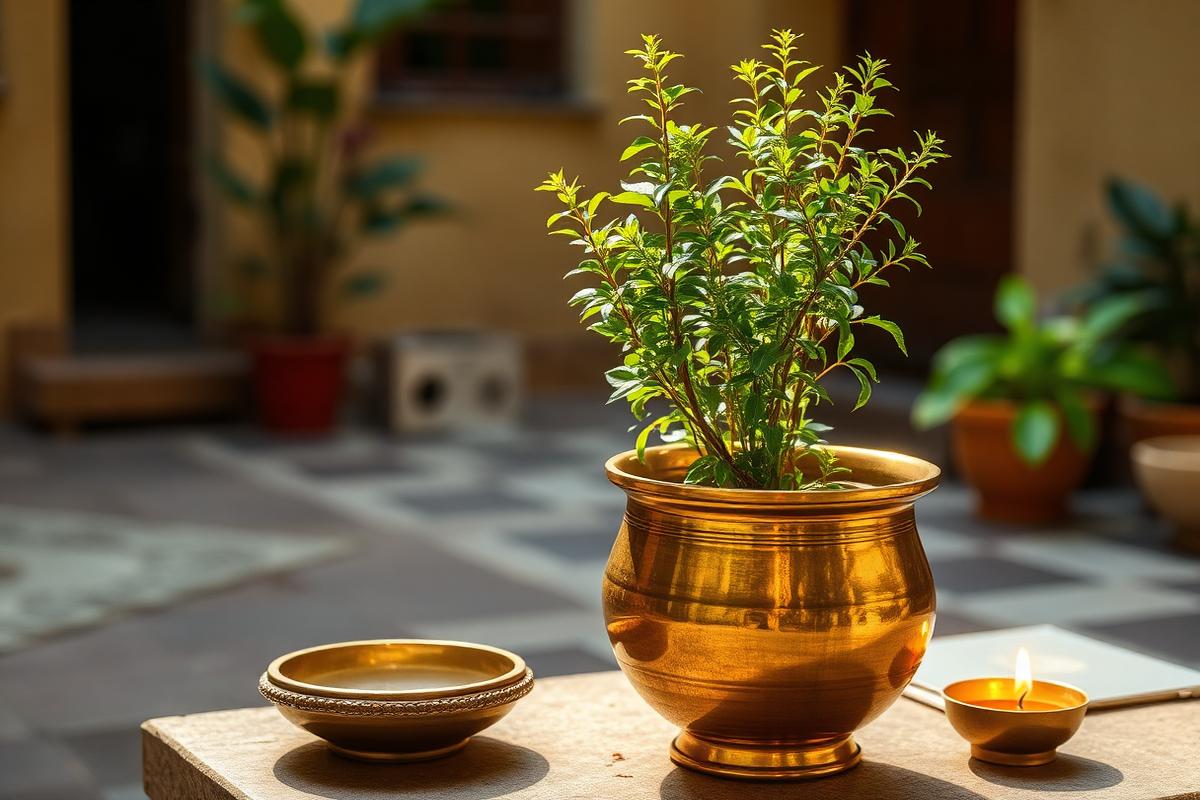
Devotees offer a lamp, flowers and sweets to Santana Lakshmi, often on a Friday, while chanting Om Shreem Mahalakshmyai Namaha or her dedicated verse from the Ashtalakshmi Stotram. Some families also perform simple prayers on a child's birthday or important milestones, thanking the goddess for the child's wellbeing.
Expecting parents and those hoping to start a family often visit temples where Santana Lakshmi is worshipped, offering prayers with humility and patience rather than urgency.
A Reminder to Cherish Family
Santana Lakshmi's message reaches beyond the specific prayer for children - she reminds devotees to cherish family bonds and see them as sacred wealth. In a busy world, taking time to nurture relationships with children, parents and elders is itself an offering to this form of the goddess.
Families who have not been blessed with children, or whose family looks different from tradition, are equally held within the goddess's grace - her worship is ultimately about love, care and connection, not any single outcome. Worship is an act of faith and love, not a transaction.
Common Questions From Devotees
What does Santana Lakshmi bless devotees with?+
Santana Lakshmi is worshipped for the blessing of children, family wellbeing and the safety and good character of children as they grow. She represents the belief that family and progeny are a precious form of divine wealth.
How is Santana Lakshmi depicted?+
Santana Lakshmi is often depicted seated with a child on her lap, showing maternal warmth and protection, reflecting her role as the goddess who blesses families with children and watches over their wellbeing.
When do families especially pray to Santana Lakshmi?+
Families often pray to Santana Lakshmi when hoping to have children, during a child's illness, and on birthdays or important milestones, offering gratitude for the child's wellbeing along with their prayers.
About the author
Pandit Mahesh Trivedi · Festival Traditions & Panchang
Pandit Mahesh leads the festival-date and Panchang content on Vandnaa. He cross-references multiple regional panchangs (Drik, Vaishnava, Bengali, Marathi) for every festival date published on the site.
Meet the Vandnaa editorial team →