Who is Santoshi Mata? The 'Mother of Satisfaction'
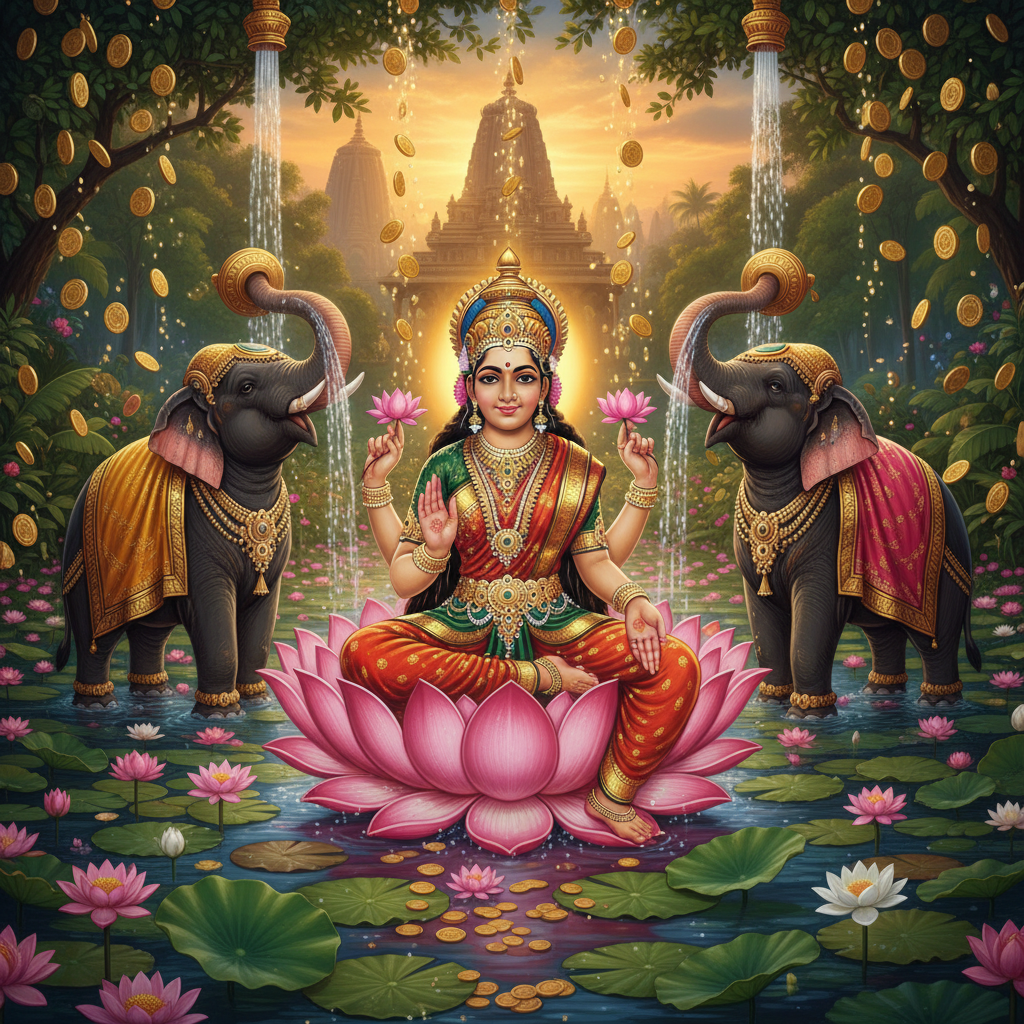
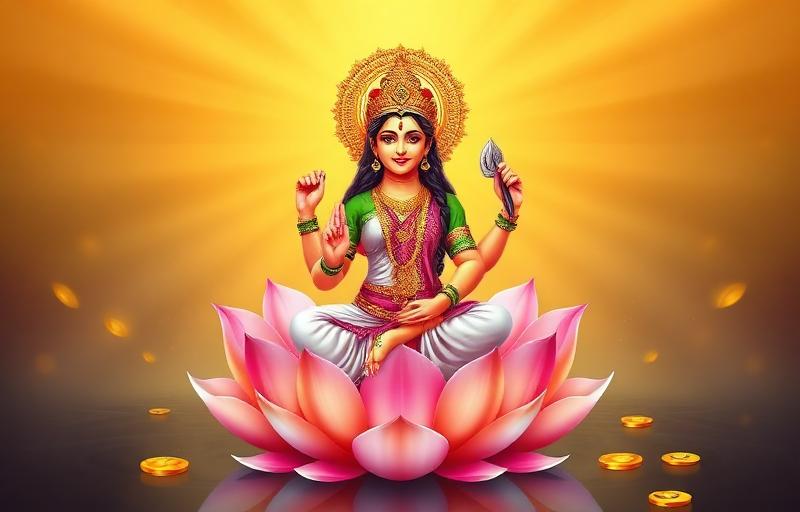
Santoshi Mata is the goddess of contentment (santosh = satisfaction). She is described in folk tradition as the daughter of Lord Ganesha and the niece of Karthikeya. Her worship is comparatively modern - the 1975 Hindi film 'Jai Santoshi Maa' made her vrat a household practice across North and Central India - but the vrat itself draws on much older Devi-worship templates of weekly vows. Her gift is simple and rare: she removes restlessness from the heart. Wherever Santoshi Mata is worshipped, fights between in-laws, sibling rivalry, money anxiety and 'I want more' constantly soften. She is the goddess for families that have material comfort but no peace, and for young women whose marriages keep getting delayed by small obstacles.
The 16-Friday Vrat - Exact Rules & Daily Vidhi
The vrat begins on any auspicious Friday - Shukla Paksha Friday in Margshirsh, Magh or Shravan months is considered best. Once started, it must be observed every Friday for 16 consecutive weeks without break. The day before Friday, sweep the puja area and place an image or photo of Santoshi Mata on a red cloth. On Friday morning, bathe before sunrise, wear clean clothes (avoid black and grey), and resolve the sankalpa: 'I will observe this 16-Friday vrat with faith.'
The absolute rule - and the most unusual one - is that NO sour food may enter the house on Friday. Not the vrati alone, the whole household: no lemon, no tamarind, no curd, no pickle, no tomato in raw form, no aamchur, no kokum. If even one family member eats something sour, the vrat is considered broken. Many families keep all sour items in a separate bag outside the kitchen on Friday.
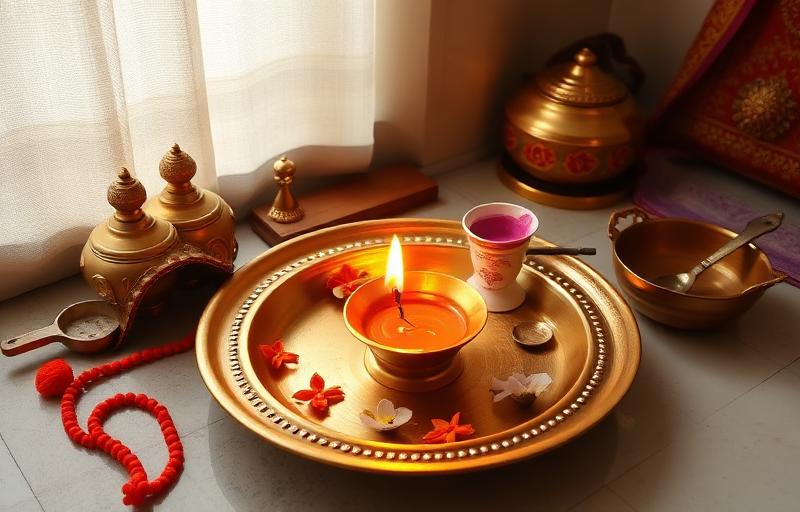
During the day, eat only one meal - typically khichdi, roti with ghee, or fruit and milk. The puja itself is performed before evening: light a ghee diya, offer gud (jaggery) and roasted chana (gud-chana - Santoshi Mata's signature prasad), read or listen to the Santoshi Mata vrat katha, and conclude with the aarti. Distribute gud-chana to family members and ideally to a small girl who represents the goddess.
The Vrat Katha - Why Sour Food is Forbidden
The traditional katha tells of a poor woman whose husband leaves home to earn a living and disappears for years. Her mother-in-law and sisters-in-law mistreat her. One day she sees a group of women worshipping a goddess and asks who she is - they say 'Santoshi Mata, the goddess who fulfils any honest wish if her 16-Friday vrat is kept.' The woman begins the vrat. Within a few weeks her husband sends money; by the 16th Friday he returns home prosperous.
For the udyapan she prepares the feast as prescribed - kheer-puri, gud-chana, no sour food in the entire household. Her jealous sisters-in-law secretly feed sour amla to their own children at the feast. The moment a child tastes the sour fruit, Santoshi Mata is dishonoured; the woman's husband loses his wealth that very night. She begs the goddess, fasts again, repeats the udyapan correctly - and everything is restored. The katha teaches two things: (1) the goddess responds to consistent faith, and (2) the sour-food rule is non-negotiable because 'khatti' (sour) symbolises jealousy, complaint and discontent - the very opposites of santosh.
The Udyapan (Concluding Ceremony) - 16th Friday Vidhi
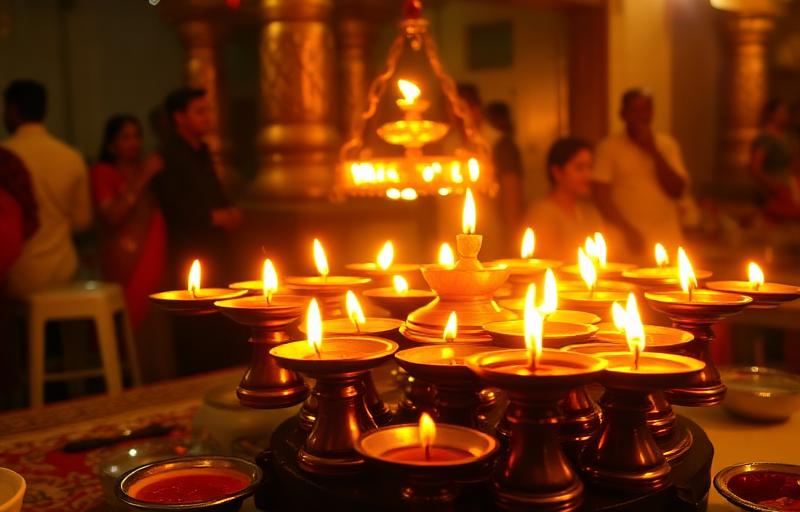
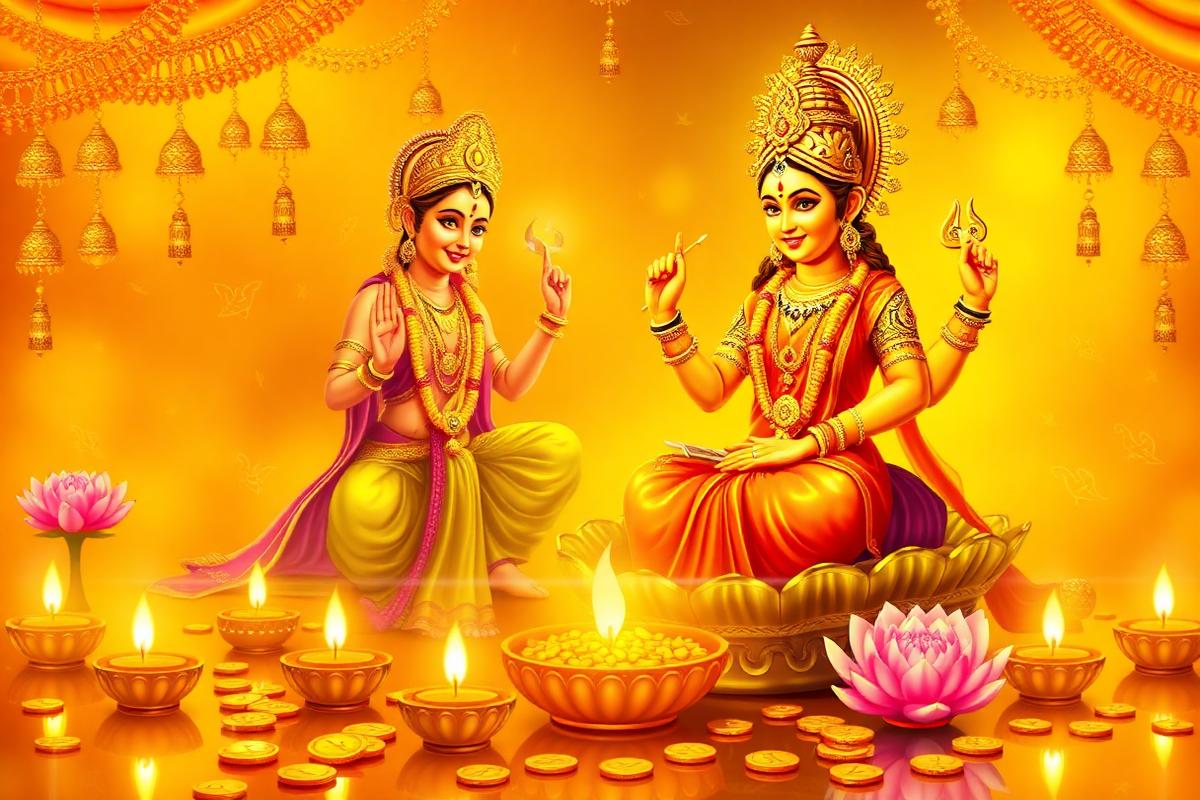
The udyapan is performed on the 16th Friday and must be done exactly. Invite 8 small boys (representing the goddess's bal-roop) for a meal. The meal must include kheer (rice pudding with milk and sugar), puri made in pure ghee, channa subzi, and gud-chana. No sour ingredient anywhere - check the cook's hands, the children's pockets, every dish. Serve the boys first, touch their feet, and give each one a token gift (Rs 11, Rs 21, or a fruit-and-coin combination). Then break your own fast with the same prasad.
A solemn note: traditionally these 8 boys must not be from your own family, and the meal must be served with the same care you would give a guest god. After the meal, the woman who completed the vrat is considered to have fulfilled her vow. If a Friday is missed during the 16 weeks due to illness, travel or menstruation, the count restarts - but if a Friday is missed by negligence, the vrat is considered broken and must be restarted from week one. Many families now follow a softer modern rule: if travel makes a Friday impossible, observe the vrat on the next available Friday and consider the count continuous, with the goddess's permission asked through silent prayer.
Common Questions From Devotees
Can a married woman whose husband eats sour food keep this vrat?+
Yes - the rule is that no sour food enters the house only on Friday. Cook a sour-free meal for the entire household on Friday and store sour ingredients (curd, pickle, lemon) outside the kitchen for the day. Modern families keep a small separate tiffin for the husband's office on Friday with non-sour items. The rule's spirit is creating one peaceful, complaint-free day per week for the goddess.
What if I am menstruating on a Friday during the 16 weeks?+
Skip the puja that Friday (do not touch the idol or do aarti) but follow the food rules - no sour food in the house, and eat only the prescribed sattvic meal. The Friday counts toward the 16 because you maintained the discipline. Most pandits agree that menstruation is not the woman's fault and the goddess does not penalise her - only deliberate negligence breaks the vrat.
Can unmarried girls keep this vrat for marriage?+
Yes - Santoshi Mata's vrat is especially recommended for unmarried girls whose marriage is delayed by small obstacles. The sankalpa should be specific: 'O Mata, may a worthy and compatible groom appear within these 16 weeks.' Many families report that engagements happen between the 8th and 14th Friday. The udyapan in this case is best done at the bride's home before the wedding, with the 8 boys present.
What is the right mantra to chant during Santoshi Mata puja?+
The simplest and most recommended is 'Om Shree Santoshi Mahamaayai Namah' (108 times). Advanced practitioners chant 'Om Hrim Santoshi Mahamaayai Sarva-baadha-vinashinyai Namah'. The katha and aarti are themselves considered the primary mantra-equivalent. Recite the aarti at the end of every Friday puja and on the udyapan day.
About the author
Acharya Vinaya Kapoor · M.A. Sanskrit, Mantra & Stotra Studies
Acharya Vinaya holds an M.A. in Sanskrit from Banaras Hindu University and writes the mantra and stotra commentary on Vandnaa. Her focus is on accurate pronunciation, traditional context, and helping modern readers connect with classical texts.
Meet the Vandnaa editorial team →