Who is Shakumbhari Devi
In the Shivalik hills near Saharanpur in Uttar Pradesh stands the Shakumbhari Devi Temple, dedicated to the Devi known as Shakambhari, the bearer and giver of vegetables and grain.
Her name itself carries her story, Shaka meaning vegetable and Ambhari meaning bearer, a form of the mother celebrated for sustaining life itself through the gift of food and vegetation.
History and Katha
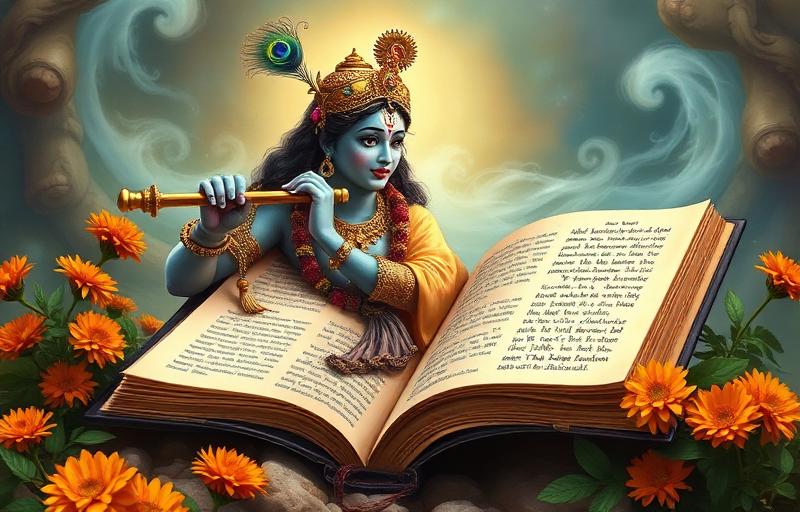
The katha of Shakambhari tells of a great famine that once gripped the land, so severe that sages and creatures alike suffered without food or water for a very long time, their prayers rising to the Devi in desperation.
Moved by their suffering, the goddess is said to have manifested with a hundred eyes, weeping tears that became rivers, and produced fruits, vegetables and grains from her own body to nourish all beings, ending the famine through her boundless compassion, a story devotees recall as proof of the mother's care for every living creature.
Significance and What Devotees Pray For
Devotees pray to Shakumbhari Devi for abundant harvests, freedom from scarcity and overall prosperity for their families, seeing in her the very embodiment of nature's generosity.
Farmers in particular hold this goddess dear, offering gratitude for a good crop and seeking her blessing before the sowing season, worship approached always with humility, as an offering of thanks rather than a demand.
Darshan Guide: Timings and Festivals
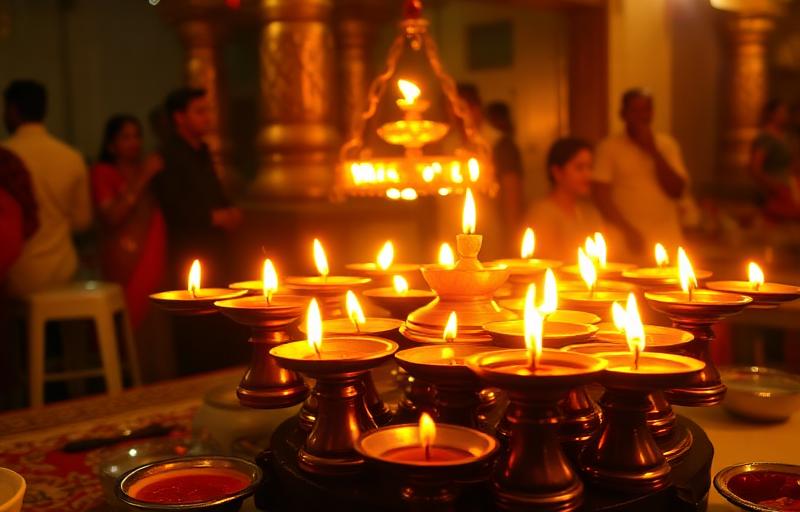
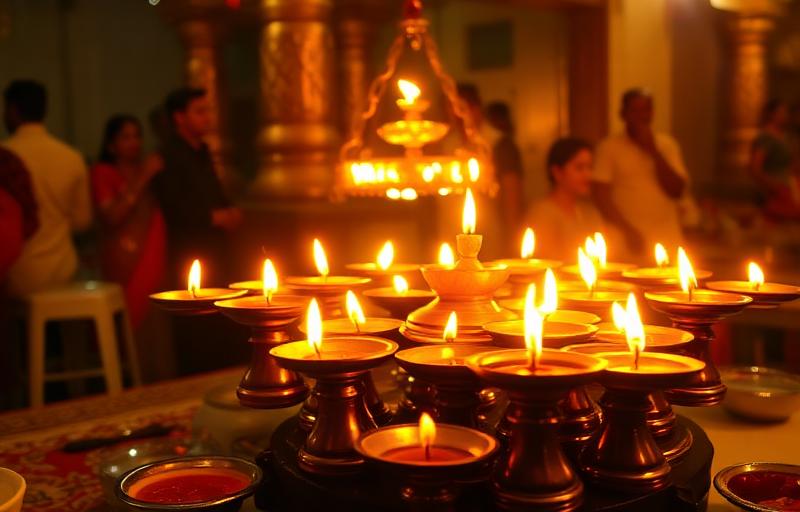
The temple maintains a regular schedule of morning and evening aarti, with the surrounding Shivalik hills offering a scenic, peaceful setting for pilgrims through most of the year.
The Shakambhari Navratri, observed around the Purnima following Chaitra Navratri, is the most significant occasion here, drawing devotees specifically to honour this form of the Devi, alongside the customary Chaitra and Sharad Navratri celebrations.
How to Reach
Shakumbhari Devi Temple is located in the Shivalik range close to Saharanpur city in western Uttar Pradesh, well connected by road from Saharanpur and nearby towns.
Saharanpur Junction is the nearest major railway station, while Chandigarh and Dehradun serve as convenient airports for pilgrims travelling from further away.
Puja, Mantra and Takeaway
Devotees offer fresh vegetables, fruits, grains and flowers to Shakumbhari Devi, a tradition rooted directly in her katha, while chanting Om Shakambharyai Namah or the general Devi mantra with devotion.
Her story remains a gentle reminder that the mother's love often takes the simplest forms, food, water, sustenance, and that worship of her is always an act of gratitude and faith, not a transaction.
Common Questions From Devotees
Who is Shakumbhari Devi?+
Shakumbhari, or Shakambhari, is a form of the Devi celebrated for creating vegetables and grain from her own body to end a great famine, embodying nature's nourishing power.
Where is the Shakumbhari Devi Temple?+
The temple is located in the Shivalik hills near Saharanpur in western Uttar Pradesh.
What is Shakambhari Navratri?+
It is a special observance around the Purnima following Chaitra Navratri, dedicated specifically to honouring Shakambhari Devi's form and her gift of nourishment.
About the author
Pandit Mahesh Trivedi · Festival Traditions & Panchang
Pandit Mahesh leads the festival-date and Panchang content on Vandnaa. He cross-references multiple regional panchangs (Drik, Vaishnava, Bengali, Marathi) for every festival date published on the site.
Meet the Vandnaa editorial team →