Who Shani Dev Actually Is
Few figures in the Hindu pantheon carry as much popular dread attached to their name as Shani Dev, and few are, on closer examination of the actual mythology, so thoroughly mischaracterized by that dread. Shani is the son of Surya, the sun god, and Chhaya, and is worshipped as one of the Navagrahas, the nine celestial beings central to Hindu cosmology. Far from being a malevolent force, tradition consistently describes him as a just and impartial judge, the deity presiding over karma, discipline, hard work and the consequences of one's own actions.
The Puranas describe Shani as dark-complexioned, often depicted seated on a crow or vulture, holding a bow and arrow, with an expression of solemn seriousness rather than anger. This visual severity is frequently misread as menace, when the tradition's own framing is closer to that of a strict but scrupulously fair magistrate, someone who rewards discipline, patience and honest effort, and who brings consequences, not as punishment out of malice, but as the natural working-out of karma that every soul eventually faces regardless of which deity presides over the process.
It is worth being direct about something here: Shani's reputation for severity has been amplified far beyond what the mythology itself supports, largely because fear is a more effective sales tool than patience is. The mythological Shani, the one described in the Puranas and worshipped at temples like Shani Shingnapur, is not out to harm anyone. Several stories specifically describe him treating a king and a beggar by the exact same standard, unbothered by status or wealth, interested only in whether a person has acted with integrity. This guide focuses on that devotional understanding of Shani, not on any predictive framework for calculating personal effects, which is a different domain entirely from the puja and mythological tradition this article is about.
What Sade Sati Actually Refers To
Sade Sati, literally "seven and a half," refers to a traditional belief describing an extended period, understood in folk tradition as roughly seven and a half years, during which Shani's influence on a person's life is considered particularly significant. The name itself comes from this duration, broken across phases in the framework as it has traditionally been described.
It is important to be precise about what this article will and will not do with that concept. Calculating whether any individual reader is currently "in" a Sade Sati period, and what it specifically means for their personal circumstances, belongs to predictive astrology, a different domain built on birth charts and planetary calculations that is outside the devotional, mythological and puja-focused scope of this guide and this platform. What we can talk about, honestly and usefully, is the devotional tradition that has grown up around this concept over centuries: how Shani is worshipped, what this period is traditionally understood to test, and how devotees have approached it through prayer and conduct rather than through fear.
Traditionally, Sade Sati is described not as a curse or a punishment but as a period of testing and refinement, similar to how a metalworker's fire tests and strengthens metal rather than simply destroying it. The folk understanding holds that this period tends to bring intensified consequences, good and bad, for how a person has actually lived, rewarding discipline and honest effort while making the costs of shortcuts, dishonesty or carelessness more visible than usual. This framing, testing and refinement rather than random punishment, is the traditional devotional lens this guide focuses on, deliberately set apart from any calculation of specific dates or personalized predictions, which are not something this article, or this platform, provides.
The Fear-Mongering Problem, and Why It's Worth Naming
There is a thriving commercial industry built around Sade Sati that deserves direct, honest scrutiny, precisely because it distorts what devotion is supposed to be. Walk through any market near a Shani temple, or spend a few minutes on social media around Shani Jayanti, and you will encounter aggressive advertising for expensive gemstones, elaborate "guaranteed" remedy packages, and priests or self-styled astrologers promising to specifically calculate your doom and then, conveniently, sell you the exact solution to prevent it.
This pattern is worth naming plainly: fear sells, and an industry has grown around convincing anxious people that an expensive intervention is the only thing standing between them and disaster. This runs directly counter to the actual devotional spirit of Shani worship, which has never, in its scriptural or traditional roots, been about purchasing your way out of consequences. A deity associated with justice and the fair working-out of karma is a strange fit for a sales pitch built on panic, and the contradiction should give any devotee pause before spending significant money on a promise that specific effects can be simply bought away.
This is not a suggestion to disrespect Shani or to dismiss the traditional practices genuinely associated with his worship, covered in the next section, which are simple, accessible and rooted in real devotional history. It is a caution specifically about predatory commercial practices that exploit a real, long-standing devotional tradition for profit by manufacturing anxiety where the tradition itself counsels equanimity. If you encounter anyone insisting that a specific expensive purchase is required to prevent looming disaster, that is a signal to be skeptical, not a signal to panic-buy. Sincere devotion, simple offerings, and steady conduct have always been the tradition's actual answer, not a shopping list priced to match your fear.
What Devotional Tradition Actually Recommends

Set aside the commercial noise, and the tradition's own recommended practices for honoring Shani are notably simple, accessible, and rooted in ordinary discipline rather than expensive intervention. These are worth knowing precisely because of how modest they are compared to what predatory marketing suggests is required.
- A mustard oil diya lit on Saturdays, Shani's associated day, is among the most widely practiced and traditionally recommended acts of devotion, requiring nothing more than oil, a wick, and a few minutes of sincere attention.
- Reciting the Shani Chalisa or Shani mantra - "Om Sham Shanaischaraya Namah" - is a simple, accessible practice requiring no special materials.
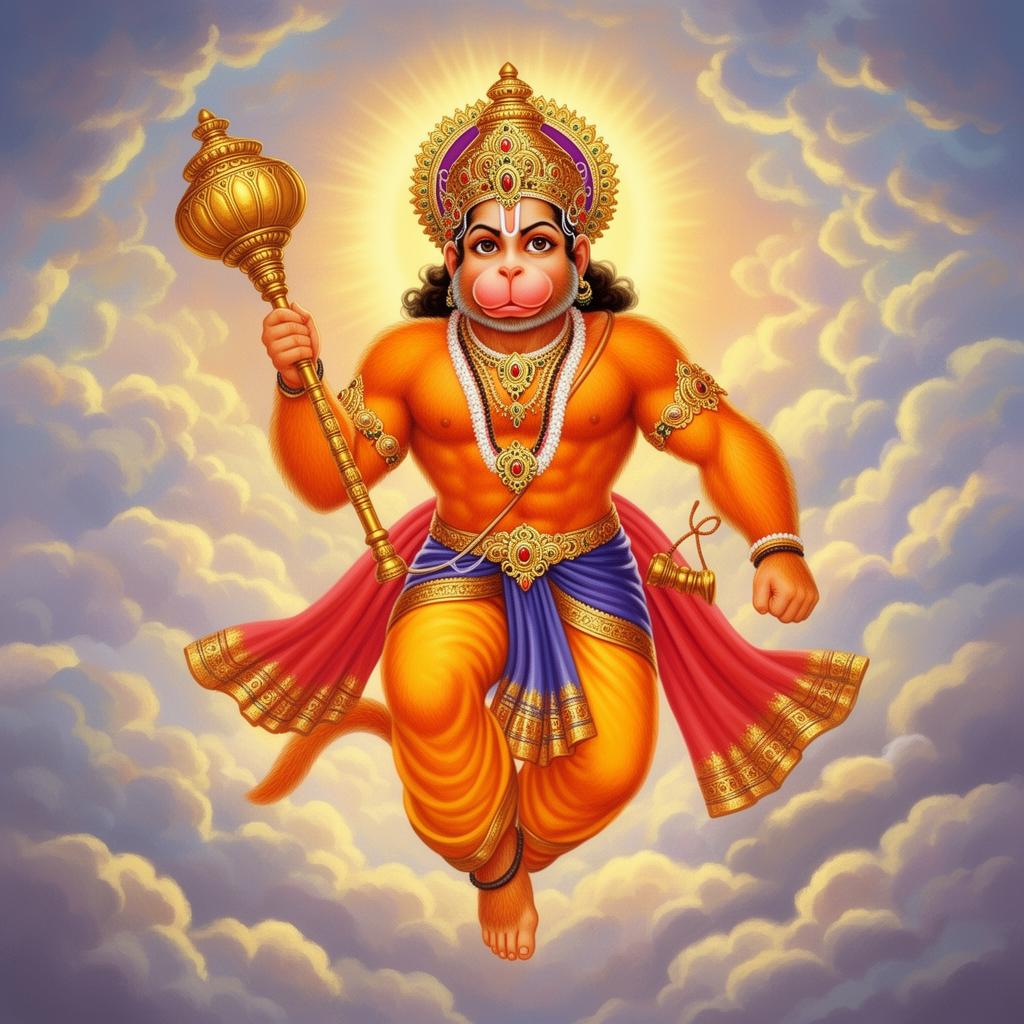
- The Hanuman connection - Hanuman is traditionally understood, through a well-loved story of rescuing Shani from imprisonment by Ravana, to hold particular power to ease Shani's more difficult effects, which is why reciting the Hanuman Chalisa, especially on Saturdays, is one of the most commonly recommended devotional practices during a genuinely difficult period, rather than any specific costly ritual aimed at Shani directly.
- Acts of service and charity - feeding the needy, particularly on Saturdays, donating black sesame, mustard oil, or iron, in modest and sincere amounts rather than extravagant sums, is a traditional practice that ties Shani worship to generosity rather than fear.
- Simple personal discipline - punctuality, honesty in work and dealings, patience, and treating others, especially those with less power or status, fairly are described in tradition as the practices Shani himself is understood to respect most, since his domain is precisely the consequences of conduct.
None of these practices cost anything close to what predatory "remedy" packages demand, and that gap is itself a useful signal about which approach is closer to the tradition's actual devotional roots.
📿 The Vandnaa app includes the Shani Chalisa and Hanuman Chalisa with simple daily reminders, so you can build this steady, low-cost devotional practice without needing to buy into fear-based sales pitches.
Equanimity Over Anxiety: The Actual Devotional Teaching
The deepest teaching associated with Shani in Hindu tradition has very little to do with fear and almost everything to do with equanimity, the steady, unshaken composure that tradition holds is the appropriate response to any of life's testing periods, not just those associated with this particular deity. Shani's own mythology reinforces this repeatedly: he is not described as acting out of cruelty, but as administering exactly what a person's own actions have set in motion, which means the appropriate response to his influence was never panic, but honest self-examination and steady conduct.
This reframing matters enormously for how a devotee actually experiences a difficult period. Treating hardship as a terrifying, externally imposed curse tends to produce paralysis, anxiety, and vulnerability to exactly the kind of predatory "solutions" discussed earlier. Treating the same hardship as a testing period that rewards discipline, patience, and honest effort, which is closer to the tradition's actual framing, tends to produce something far more useful: a devotee who keeps working steadily, treats others fairly, stays honest even when shortcuts are tempting, and trusts that consistent right conduct is itself the practice that matters most.
This is not a claim that difficult periods do not happen or do not feel hard, they clearly do, for everyone, regardless of any specific belief system. It is a claim about where a devotee's energy is best directed during one: toward steady, disciplined living and simple, sincere devotional practice, rather than toward anxious calculation of exactly when a hard period will end or how much money must be spent to shorten it. Shani, understood correctly through the mythology rather than through fear-based marketing, is a teacher of patience and integrity, not a countdown clock to dread.
Keeping Perspective: Devotion Over Dread
If there is one thing worth carrying away from this guide, it is a simple substitution: wherever fear-based marketing asks you to dread Shani, the actual devotional tradition asks you to simply keep faith and keep working honestly. These are genuinely different postures, and only one of them has real roots in the mythology and puja tradition this deity has been worshipped through for centuries.
Be appropriately skeptical of anyone, priest, astrologer, or online seller, who uses specific fear about your personal circumstances as the opening move in a sales pitch, especially one attached to an urgent deadline or an expensive required purchase. Sincere, low-cost devotional practice, a lit diya, a chanted mantra, an honest day's work, a kindness shown to someone with less power than you, has always been the tradition's actual answer, available to every devotee regardless of financial means, which is itself a meaningful clue about which approach genuinely reflects centuries of devotional practice and which is a modern commercial invention.
Shani Jayanti, and the broader tradition of Shani worship around it, is ultimately a celebration of the values he represents: justice, patience, discipline, and the quiet dignity of hard work honestly done. A devotee who keeps that framing close is already practicing exactly what this tradition has always asked for, without needing to spend a rupee on anything to prove it.
Quick Answers
Is Sade Sati something to be afraid of?+
No. Traditional understanding frames this period as one of testing and refinement rather than punishment, rewarding discipline and honest effort. Fear around it has been significantly amplified by commercial interests selling expensive remedies, which is separate from the tradition's own devotional teaching of equanimity.
What is the traditional remedy for Shani's difficult effects?+
Simple, low-cost practices are traditionally recommended: lighting a mustard oil diya on Saturdays, reciting the Shani Chalisa or Hanuman Chalisa, and acts of charity like feeding the needy. None of these require expensive gemstones or elaborate purchased rituals.
Why is Hanuman associated with easing Shani's effects?+
According to a well-loved story, Hanuman once rescued Shani after he was imprisoned by Ravana. Out of gratitude, Shani is said to have promised never to trouble devotees of Hanuman, which is why reciting the Hanuman Chalisa is a widely recommended devotional practice during difficult periods.
Should I buy gemstones or expensive pujas that promise to remove Sade Sati?+
Approach any such promise with healthy skepticism, particularly if it is paired with urgency or fear-based pressure. Traditional devotional practice has always centered on simple, accessible acts like lighting a diya or chanting, not expensive purchases promising guaranteed removal of difficulty.
What day is associated with Shani worship?+
Saturday is Shani's associated day, and most traditional practices, lighting a mustard oil diya, reciting the Shani Chalisa, and acts of charity, are commonly centered on this day of the week.
Is Shani considered evil in Hindu tradition?+
No. Shani is traditionally described as a just and impartial judge associated with karma and discipline, not malevolence. His reputation for severity comes from his role in administering fair consequences, which popular fear and commercial exploitation have significantly distorted over time.
About the author
Pandit Mahesh Trivedi · Festival Traditions & Panchang
Pandit Mahesh leads the festival-date and Panchang content on Vandnaa. He cross-references multiple regional panchangs (Drik, Vaishnava, Bengali, Marathi) for every festival date published on the site.
Meet the Vandnaa editorial team →