Shiv Aarti – Om Jai Shiv Omkara: History & Significance
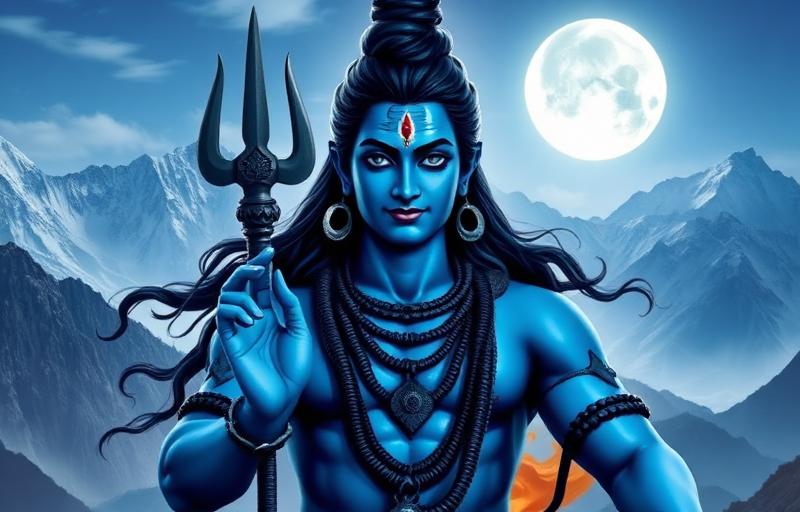
"Om Jai Shiv Omkara" is one of the most beloved and widely sung aartis in the Hindu tradition, composed by the great saint Shivananand Swami in the devotional bhakti tradition. This aarti is considered a complete meditation on Lord Shiva - it describes His many forms, His divine attributes, His weapons, His garments, and His cosmic significance as the ultimate reality underlying Brahma, Vishnu, and Mahesh - the Hindu Trinity itself.
Lord Shiva, also called Mahadev, Mahakaal, Bholenath, and Neelkanth, is worshipped as the destroyer of evil and the lord of time. Unlike other deities who are approached with elaborate rituals, Shiva is known as "Bholenath" - the innocent one who is easily pleased by sincere devotion. The Shiv Aarti captures this essence: it praises His grandeur while also acknowledging His compassionate nature as the protector of all creation.
Singing this aarti daily has been the cornerstone of Shiva worship in temples across India for centuries. Whether in the grand temples of Kashi Vishwanath (Varanasi), Somnath (Gujarat), Mahakaleswar (Ujjain), or the smallest home shrine, "Om Jai Shiv Omkara" resonates at dusk and dawn, carrying the devotee's consciousness toward the infinite. According to the Shiva Purana, regular worship of Shiva through song and chanting liberates the soul from the cycle of birth and death (moksha).
Complete Shiv Aarti Lyrics in Hindi (शिव आरती के पूरे बोल)
ॐ जय शिव ओमकारा, स्वामी जय शिव ओमकारा। ब्रह्मा, विष्णु, सदाशिव, अर्धांगी धारा॥ ॐ जय शिव ओमकारा…
एकानन, चतुरानन, पंचानन राजे। हंसासन, गरुड़ासन, वृषवाहन साजे॥ ॐ जय शिव ओमकारा…
दो भुज, चार चतुर्भुज, दसभुज अति सोहे। तीनों रूप निरखता, त्रिभुवन जन मोहे॥ ॐ जय शिव ओमकारा…
अक्षमाला, वनमाला, मुण्डमाला धारी। चंदन, मृगमद, सोहे, भाले शुभकारी॥ ॐ जय शिव ओमकारा…
श्वेताम्बर, पीताम्बर, बाघम्बर अंगे। सनकादिक, भूतादिक, प्रेतादिक संगे॥ ॐ जय शिव ओमकारा…
कर के मध्य कमंडलु, चक्र त्रिशूलधारी। सुखकारी, दुखहारी, जगपालन कारी॥ ॐ जय शिव ओमकारा…
ब्रह्मा, विष्णु, सदाशिव, जानत अविवेका। प्रणवाक्षर में शोभित, ये तीनों एका॥ ॐ जय शिव ओमकारा…
त्रिगुण स्वामी जी की आरती, जो कोई नर गावे। कहत शिवानंद स्वामी, मनवांछित फल पावे॥ ॐ जय शिव ओमकारा…
Roman Transliteration: Om Jai Shiv Omkara, Swami Jai Shiv Omkara | Brahma Vishnu Sadashiv, Ardhangi Dhara || Ekanan Chaturanan Panchanan Raaje | Hansasan Garudasan Vrishvahan Saaje || Do Bhuj Char Chaturbhuj Dasbhuj Ati Sohe | Teeno Roop Nirakhata Tribhuvan Jan Mohe || Akshmala Vanmala Mundmala Dhaari | Chandan Mrigmad Sohe Bhale Shubhkari || Shvetambar Pitambar Baghambar Ange | Sanakadik Bhutadik Pretadik Sange || Kar Ke Madhya Kamandalu Chakra Trishool Dhaari | Sukhkari Dukh-Haari Jagpalan Kaari || Brahma Vishnu Sadashiv Jaanat Aviveka | Pranavakshar Mein Shobhit Ye Teeno Eka || Trigun Swami Ji Ki Aarti Jo Koi Nar Gaave | Kahat Shivanand Swami Manvanchhit Phal Paave ||
Shiv Aarti Word-by-Word Meaning (शब्द-दर-शब्द अर्थ)
Understanding the meaning of each word transforms the aarti from a recitation into a deep meditation. Here is the verse-by-verse meaning of Om Jai Shiv Omkara:
ॐ जय शिव ओमकारा - "Om" is the primordial sound of creation, the cosmic vibration. "Jai" means victory or glory. "Shiv Omkara" means Shiva who is the form of Om - the ultimate reality. This opening salutation declares: "Glory to Lord Shiva, who is the very form of the cosmic sound Om."
ब्रह्मा, विष्णु, सदाशिव, अर्धांगी धारा - "Sadashiva" (eternal Shiva) contains within Himself the creator (Brahma), the preserver (Vishnu), and the destroyer (Shiva). "Ardhangi Dhara" means He bears Goddess Parvati as His other half (Ardhanarishvara form), showing the unity of Shiva and Shakti.
एकानन, चतुरानन, पंचानन राजे - "Ekanana" (one-faced Shiva), "Chaturanana" (four-faced Brahma), "Panchanan" (five-faced Shiva in His Panchmukhi form) - all these divine forms coexist beautifully. "Vrishvahan" means His vehicle is the bull Nandi, symbolizing righteousness (dharma).
अक्षमाला, वनमाला, मुण्डमाला धारी - "Akshmala" is the rosary of rudraksha beads representing time and mantra power. "Vanmala" is the garland of forest flowers showing His closeness to nature. "Mundmala" is the garland of skulls - symbolising His transcendence over death itself.
सुखकारी, दुखहारी, जगपालन कारी - Three divine roles of Shiva: "Sukhkari" (giver of happiness), "Dukh-Haari" (remover of sorrow), "Jagpalan Kari" (protector of the world). This verse encapsulates why millions pray to Shiva daily.
त्रिगुण स्वामी जी की आरती, जो कोई नर गावे - "Trigun" refers to the three cosmic qualities: Sattva (purity), Rajas (activity), and Tamas (inertia). Shiva governs all three. Whoever sings this aarti with devotion, says Shivananand Swami, receives their heart's desire (Manvanchhit Phal).
8 Powerful Benefits of Singing Shiv Aarti Daily
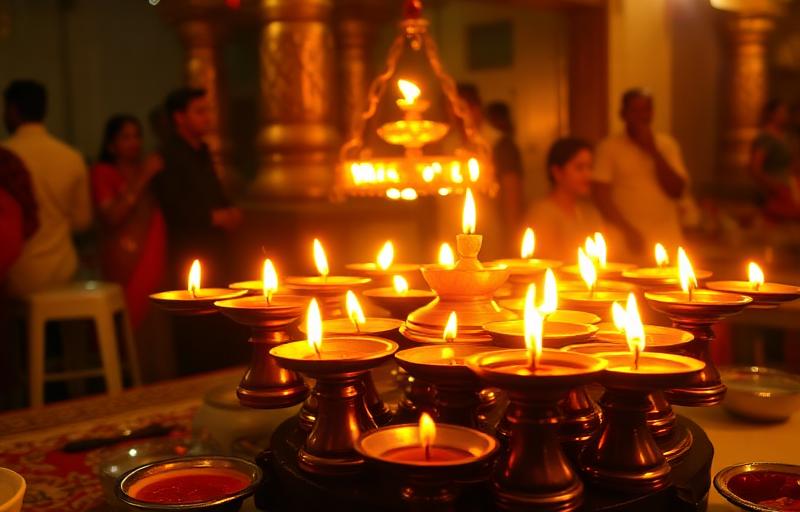
Singing the Shiv Aarti is not merely a religious ritual - it is a complete spiritual practice with profound effects on the mind, body, and soul.
1. Instant Mental Calm (मानसिक शांति) - The rhythmic melody of "Om Jai Shiv Omkara" activates the parasympathetic nervous system, reducing stress hormones like cortisol. Research on devotional music confirms that repetitive singing slows heart rate and induces a meditative state within 3–5 minutes.
2. Protection from Negative Energies - Lord Shiva is the supreme destroyer of evil. Singing His aarti creates a protective vibration around the home that wards off negative influences, evil eye (nazar), and malefic planetary energies according to Vedic tradition.
3. Removal of Fears and Anxiety - Shiva is "Abhayankara" - the bestower of fearlessness. Devotees who sing His aarti regularly report a significant reduction in anxiety, phobias, and irrational fears. The mantra "Om Namah Shivaya" embedded in the aarti acts as an anchor for the mind.
4. Healing of Physical Ailments - The Maha Mrityunjaya mantra tradition connects Shiva worship with health and healing. Singing the Shiv Aarti during illness, especially on Mondays, is believed to invoke Lord Shiva's healing grace (Vaidyanath form).
5. Spiritual Liberation (Moksha) - The Shiva Purana states that consistent Shiva worship through aarti, abhishek, and mantra chanting progressively purifies the soul and moves it toward liberation from the cycle of rebirth.
6. Strengthening Family Bonds - Families that perform Shiv Aarti together experience greater harmony and unity. The shared devotional practice creates emotional bonding and a sense of sacred purpose that reduces conflict.
7. Career and Financial Stability - While Lakshmi is the goddess of wealth, Shiva as Mahadev controls destiny (karma). Praying to Him through aarti for righteous prosperity aligns one's efforts with dharmic principles, leading to sustainable success.
8. Environmental Purification - The vibrations produced by group aarti singing purify the home environment at an energetic level. The combined use of ghee lamp, incense, and devotional sound creates a complete sensory sacred space.
Complete Shiv Aarti Vidhi: Step-by-Step Method
Performing the Shiv Aarti correctly amplifies its spiritual benefits. Here is the complete method followed in traditional Shiva temples and devout homes:
Preparation (तैयारी):
- Bathe and wear clean clothes - preferably white or saffron, which are Shiva's colors
- Clean the puja space and the Shiva idol or picture
- Collect required items: ghee diya (5-wicks preferred), camphor (kapoor), incense sticks (dhoop), bilva leaves (bel patra - 3 leaves per offering), white flowers, vibhuti (sacred ash), milk, water, and akshat (unbroken rice grains)
Items for the Aarti Thali:
- One or five-wick ghee lamp (panch-mukhi diya for special occasions)
- Camphor placed separately to burn at the end
- Flower petals to scatter after aarti
- A small bell (ghanti) to ring during aarti
Step-by-Step Procedure: 1. Light the diya and incense sticks; ring the bell three times to announce the aarti 2. Offer bilva leaves with the mantra "ॐ नमः शिवाय" - minimum three sets of three leaves 3. Sprinkle water (jal) on the Shivalinga or image and apply vibhuti tilak 4. Hold the aarti thali with both hands at chest height (not above the head) 5. Move the thali in a clockwise circular motion (pradakshina), making 7 complete circles 6. At each quarter rotation, ring the bell once - creating the sacred sound pattern 7. Sing "Om Jai Shiv Omkara" with full devotion; maintain eye contact with the deity 8. After singing, light the camphor and do a final aarti with the camphor flame 9. Pass the camphor flame to all present (touch palms over the flame and place hands over eyes) 10. Distribute prasad (panchamrit - milk, curd, honey, sugar, ghee mixed together)
Duration: Morning aarti should be 10–15 minutes; evening aarti on Mondays and special days can be 20–30 minutes with complete abhishek.
Best Time for Shiv Aarti & 2026 Auspicious Dates
The timing of Shiv Aarti significantly impacts its spiritual potency. Here are the optimal times and special occasions in 2026:
Daily Ideal Times:
- Brahma Muhurta (4:00–6:00 AM) - The most powerful time for any spiritual practice. The mind is fresh, the environment is quiet, and cosmic energies align with satvic (pure) frequencies. Shiva worship in this period yields maximum spiritual merit.
- Sunrise Aarti (Pratah Puja, 6:00–8:00 AM) - The standard morning aarti time in most homes. Light the diya as the sun rises for maximum positive energy.
- Pradosh Kaal (Sunset, 6:00–8:30 PM) - The most sacred time for Shiva worship. Lord Shiva is believed to be especially present and compassionate during this twilight period. Daily evening aarti in pradosh kaal is the most traditional practice.
- Midnight (Nishit Kaal, 12:00–12:30 AM) - For advanced practitioners and on Shivaratri, the midnight hour is Lord Shiva's special time.
Special Days in 2026 for Shiv Aarti:
- Maha Shivaratri: February 26, 2026 - The holiest Shiva festival. Four-prahar aarti is performed throughout the night (every 3 hours). Do not miss the midnight aarti.
- Shravan Mondays (Sawan Somvar): July 27, August 3, 10, 17, 24, 2026 - The entire month of Shravan is dedicated to Shiva. Mondays in this month carry 100x more spiritual merit.
- Pradosh Vrat (every 13th lunar day): Bi-monthly fasting and aarti for Shiva. Key 2026 dates: May 9, May 24, June 7, June 22, July 7, July 21.
- Every Monday (Somvar) - Every week is auspicious. Begin Monday with Shiv Aarti for a blessed week.
- Mahashivratri Eve (February 25, 2026) - Preparation and pre-aarti on the evening before.
7 Common Mistakes to Avoid During Shiv Aarti
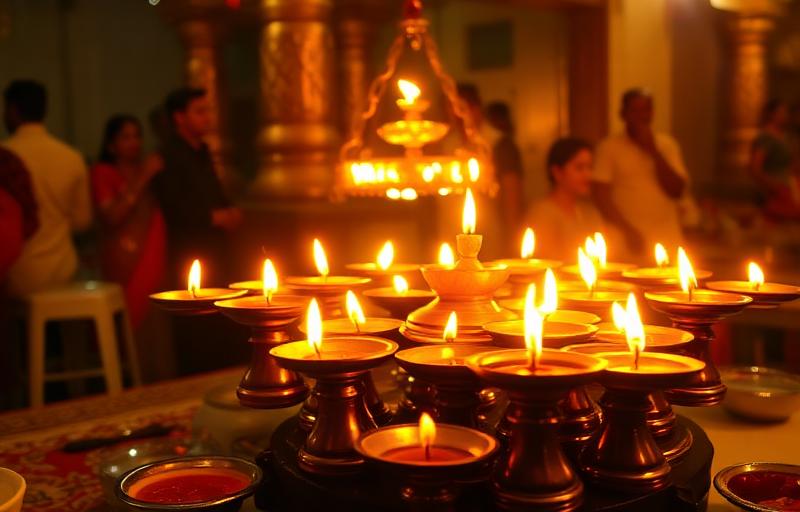
Knowing what NOT to do is as important as knowing what to do. These mistakes reduce the spiritual benefit and may show disrespect to Lord Shiva:
1. Offering Tulsi (Basil) Leaves - This is a critical mistake. Tulsi is strictly forbidden in Shiva worship. According to the Shiva Purana, Tulsi has a curse related to Lord Vishnu and should never be offered to Shiva. Bilva (bel) leaves are the correct offering.
2. Offering Ketaki (Pandanus) Flowers - Ketaki flower is also strictly prohibited in Shiva puja. The legend tells that Ketaki flower bore false witness in the dispute between Brahma and Vishnu about finding Shiva's beginning and end, so Shiva cursed it never to be used in His worship.
3. Using Conch Shell (Shankh) for Water Offering - Water should never be poured on the Shivalinga from a conch shell. Use a copper or silver vessel (kalash or abhishek pot) instead. The shankh is associated with Vishnu and is not used in Shiva rituals.
4. Incomplete or Distracted Aarti - Stopping the aarti midway or being distracted by phone/conversation is considered inauspicious. Once you begin, complete the full aarti with focused attention. This lack of completion creates an unfinished energetic circuit.
5. Pointing the Diya at the Deity - The aarti lamp should circle in front of the deity, not be pointed directly at the image or statue as if examining it. The motion is circular and reverent, not interrogating.
6. Wrong Direction (Counter-clockwise) - Always move the aarti thali in clockwise direction (the direction the sun moves). Counter-clockwise movement is associated with negative practices and should be strictly avoided.
7. Performing Aarti in a State of Emotional Anger - Shiva worship requires a calm, devotional state. Performing aarti immediately after an argument or in a state of intense anger diminishes its efficacy. Take 5 minutes to breathe deeply and calm down before beginning.
Begin Your 21-Day Shiv Aarti Practice
The Shiv Aarti "Om Jai Shiv Omkara" is not just a devotional song - it is a complete spiritual system. Through its 8 verses, it covers cosmology (the Trinity as One), personal devotion (listing Shiva's attributes), ethical living (using the aarti as an opportunity for gratitude), and liberation (the promise of Manvanchhit Phal - fulfillment of heartfelt desires).
For those new to Shiva worship: begin simply. Light one diya at sunset, sing or read the aarti once, and offer bilva leaves. Do this for 21 consecutive days - the neurological and spiritual research both agree that 21 days is the minimum period to embed a new practice into habitual behavior.
For experienced devotees: deepen your practice by memorizing the meaning of each verse (see the word-by-word section above), performing abhishek on Mondays, and observing Pradosh Vrat twice a month. The combination of aarti, abhishek, and mantra chanting creates a complete Shiva sadhana.
Mahadev accepts the simplest offering made with genuine love. As the scripture says: "Shivam Sundaram" - Shiva is beauty itself. When we worship with purity of intention, we begin to see that beauty in all creation. That is the ultimate gift of the Shiv Aarti.
Quick Answers
What is the best time to sing Shiv Aarti?+
The most auspicious time for Shiv Aarti is Pradosh Kaal - the 1.5-hour period around sunset (approximately 6:00–7:30 PM). This is Lord Shiva's most sacred daily window, when He is believed to be dancing the Tandava and especially responsive to devotees' prayers. Brahma Muhurta (4:00–6:00 AM) is the second most powerful time. On Mondays and during the Shravan month (July–August), any time of day carries elevated spiritual merit for Shiva worship.
Can women sing Shiv Aarti during menstruation?+
Traditional Shaivite texts vary on this question, but most contemporary spiritual teachers and Shiva temples (especially Shaiva Siddhanta tradition) emphasize that Lord Shiva, as the formless infinite consciousness, is beyond physical purity rules. Many respected saints have taught that Shiva accepts the devotion of the heart above all. The safest and most broadly accepted guidance: women may listen to the aarti and chant it mentally during this period, but can choose to abstain from performing the physical ritual (diya, thali) based on personal tradition and family practice. There is no universal prohibition.
How many times should I wave the diya during Shiv Aarti?+
The traditional method involves making 7 complete clockwise circles (pradakshina) with the aarti thali for each verse or in total. The number 7 is sacred in Vedic tradition, representing the 7 chakras, 7 celestial bodies, and 7 notes of music. In practice, many devotees make continuous circular motions throughout the aarti song. The key is that the motion is always clockwise, both hands hold the thali, and the circles are at chest level in front of the deity - not above the head or below the waist.
Can I perform Shiv Aarti at home without a pandit?+
Absolutely yes. Lord Shiva is known as 'Bholenath' - the innocent one who is easily pleased - precisely because He accepts heartfelt devotion without requiring elaborate rituals or a pandit's presence. Home Shiv Aarti is a beautiful daily practice that any family member can perform. The essential requirements are: a clean space, a lit diya, bilva leaves (if available), and sincere devotion. Reading or singing the aarti from a book or app like Vandnaa counts fully. The Shiva Purana says Shiva is pleased by even a single bilva leaf offered with pure intention.
What is the difference between Shiv Aarti and Maha Shivaratri puja?+
The Shiv Aarti (Om Jai Shiv Omkara) is the daily devotional song sung during regular puja - it takes 5–10 minutes and is appropriate for everyday morning or evening worship. Maha Shivaratri puja is an elaborate all-night ceremony performed once a year (February 26, 2026) that includes four prahars (worship sessions every 3 hours from sunset to sunrise), panchamrit abhishek (bathing the Shivalinga with five sacred substances), 108 bilva leaf offerings, fasting, night-long vigil, and the Maha Shivaratri aarti at each prahar. The aarti song is the same, but the ceremony around it is far more extensive during Shivaratri.
What if I don't remember all the lyrics of Shiv Aarti?+
This is a very common concern and has a simple, reassuring answer: Lord Shiva does not judge the devotee's memory - He responds to the feeling behind the words. You can read the lyrics from this page, from a book, or from the Vandnaa App while singing. Many experienced devotees use printed lyrics their entire lives without memorizing every verse, and their devotion is fully accepted. To memorize: focus on one verse per week, sing it 3 times before moving to the next, and within 8 weeks you will know the entire aarti by heart. But never let the fear of forgetting stop you from performing aarti - an imperfect aarti done with love is infinitely more powerful than a perfect aarti done without feeling.
About the author
Acharya Vinaya Kapoor · M.A. Sanskrit, Mantra & Stotra Studies
Acharya Vinaya holds an M.A. in Sanskrit from Banaras Hindu University and writes the mantra and stotra commentary on Vandnaa. Her focus is on accurate pronunciation, traditional context, and helping modern readers connect with classical texts.
Meet the Vandnaa editorial team →