Can We Chant Shiv Mantra at Night? (रात को शिव मंत्र)
बहुत से लोग पूछते हैं – क्या रात को शिव मंत्र जप कर सकते हैं? Short answer: हाँ, बिल्कुल!
शिव जी को 'रात्रि के देवता' भी कहा जाता है। महाशिवरात्रि (Maha Shivaratri) भी रात में ही मनाई जाती है। तो night chanting तो और भी special है!
🎧 सभी आरती, मंत्र और भजन एक ही जगह सुनें – Vandnaa App डाउनलोड करें।
रात को शिव मंत्र क्यों जपें? (Why Night is Special)
रात को शिव मंत्र जपने के special reasons:
- शिव जी को 'निशाचर देव' (night deity) कहा जाता है
- महाशिवरात्रि रात भर जागकर मनाई जाती है
- प्रदोष काल (शाम/रात) शिव पूजा का best time है
- रात में mind ज़्यादा शांत होता है – better meditation
- Worldly noise कम होता है – concentration बढ़ता है
- शिव जी रात में tandav करते हैं – उनकी energy peak पर होती है
तो actually रात का समय शिव मंत्र जाप के लिए extra beneficial है!
Night Chanting के Benefits
रात को शिव मंत्र जपने के benefits:
- Deep peaceful sleep
- Nightmares से protection
- Negative energy removal
- Better meditation experience
- Spiritual growth accelerate होता है
- Stress और anxiety दूर होती है
- अगले दिन fresh feel होता है
Especially 'ॐ नमः शिवाय' और 'महामृत्युंजय मंत्र' रात को जपना बहुत powerful है।
🎧 Vandnaa App पर शिव मंत्र audio – सोने से पहले सुनें!
रात को कैसे जपें (Night Chanting Guide)
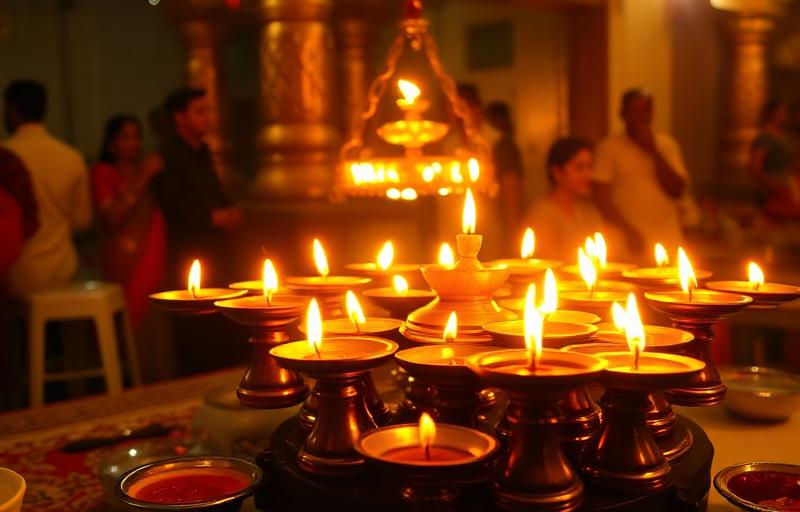
रात को शिव मंत्र जपने का तरीका:
1. सोने से 15-20 minutes पहले बैठ जाएं 2. Room dim light में रखें 3. आँखें बंद करें 4. Deep breaths लें 5. 'ॐ नमः शिवाय' slowly बोलना शुरू करें 6. 108 बार या जब तक mind शांत न हो जाए 7. End में शिव जी को प्रणाम करें 8. शांति से सो जाएं
Alternatively Vandnaa App पर audio चलाकर सुन सकते हैं।
Pradosh Kaal – The Sacred Night Window for Shiv Chanting
Pradosh Kaal (प्रदोष काल) is the 1.5-hour window spanning sunset - typically from about 6 PM to 7:30 PM, but varying by location and season. This is considered the most auspicious time for Shiva worship in all of Hinduism.
Why Pradosh is special for Shiv chanting: According to the Shiva Purana, it is during Pradosh that Shiva performs his Ananda Tandava - the dance of cosmic joy. The entire trinity (Brahma, Vishnu, Mahesh) along with their consorts, the sages, and all celestial beings are present during Pradosh to witness this dance. Any prayer or chanting performed during this window is said to reach Shiva directly.
Pradosh Vrat: The 13th day (Trayodashi) of each lunar fortnight has a Pradosh Vrat associated with it - twice per month. Fasting until Pradosh and then performing puja and chanting is a practice followed by devoted Shiva bhaktas.
Monthly Pradosh dates (2026): As a general rule, Pradosh falls twice a month - on Shukla Trayodashi and Krishna Trayodashi. For 2026, check a Panchang for your region for exact sunset times.
Nishita Kaal (midnight): The midnight window (specifically around midnight during Mahashivratri) is called Nishita Kaal - when Shiva's energy is at its absolute peak. While Mahashivratri 2027 falls on February 11-12, you can honour Nishita Kaal every month on Chaturdashi (14th lunar day) by chanting Om Namah Shivaya for 15 minutes at midnight.
Brahma Muhurta for Shiva: 4–6 AM is Brahma Muhurta - ideal for all mantra. For Shiva specifically, chanting Om Namah Shivaya at 4 AM while the rest of the world sleeps creates an extraordinary stillness that amplifies the vibration.
Mahashivratri 2027 – The Ultimate Night of Shiva Chanting
Mahashivratri 2027 falls on February 11–12, 2027 (Phalguna Krishna Chaturdashi). This is the single most important night for Shiva worship in the entire year - and the perfect time to attempt an all-night chanting practice.
The significance of staying awake on Mahashivratri: The Shiva Purana contains the story of a hunter who accidentally stayed awake all night while sitting in a Bilva tree near a Shivalinga, unconsciously dropping bilva leaves on it. Even without intention, his night-long 'vigil' and inadvertent offerings resulted in moksha. The lesson: a conscious, intentional all-night Shiva vigil carries immense spiritual weight.
Four prahari puja (चतुर्प्रहर पूजा): On Mahashivratri, the tradition is to perform puja at four time intervals through the night: 1. First Prahar (6–9 PM): Milk abhisheka - purity 2. Second Prahar (9 PM–midnight): Curd abhisheka - progeny and prosperity 3. Third Prahar (midnight–3 AM): Ghee abhisheka - moksha 4. Fourth Prahar (3–6 AM): Honey abhisheka - knowledge
Between the abhishekas, continuous Om Namah Shivaya chanting is the ideal practice.
If you cannot do all night: Chant Om Namah Shivaya for at least 1 hour after midnight on Mahashivratri. Even this one hour, on this particular night, is considered equivalent to a month of regular practice.
🎧 Vandnaa App पर Mahashivratri special playlist - all night chanting companion.
Why Night Chanting Works – The Science of Silence and Vibration
There is a reason Vedic tradition has always valued night chanting - and modern science offers an interesting parallel:
Acoustic environment: At night, background noise drops by an average of 10–15 decibels. This means your mantra vibration travels further and with less interference - in a room, the sonic quality of your chanting is meaningfully different at midnight versus noon.
Circadian rhythmicity and brain state: Between 10 PM and 4 AM, the body's melatonin is highest. The alpha and theta brainwave states - associated with deep relaxation, insight, and heightened receptivity - are more naturally accessible during night hours. Mantra chanted during these states enters deeper memory and creates more lasting neural pathways.
Electromagnetic environment: The Earth's Schumann resonance (7.83 Hz) is generally lower at night - closer to the theta brain frequency of meditators. Many practitioners of deep meditation report qualitatively different experiences at night than during the day.
From the Vedic perspective: The ancient texts describe 'Tamas' (darkness) as one of the three gunas - not inherently bad, but the guna of dissolution, rest, and inwardness. Night, as a Tamas-dominant period, is naturally oriented toward inner experience rather than outer activity. Shiva himself is described as the lord of Tamas - not in the sense of ignorance, but in the sense of dissolution and transcendence. Chanting to Shiva at night aligns the nature of the time with the nature of the deity.
🎧 Vandnaa App पर Shiv mantra audio - perfect for night listening, with sleep timer.
Conclusion
रात को शिव मंत्र जपना न सिर्फ allowed है, बल्कि extra beneficial है! शिव जी रात्रि के देवता हैं और रात में उनकी कृपा विशेष रूप से बरसती है।
Best mantras for night:
- ॐ नमः शिवाय – peace और sleep
- महामृत्युंजय मंत्र – protection और healing
हर हर महादेव! 🙏
🎧 सभी आरती, मंत्र और भजन एक ही जगह सुनें – Vandnaa App डाउनलोड करें।
What People Ask Most
क्या 12 बजे रात को शिव मंत्र जप सकते हैं?+
हाँ, midnight शिव जी की विशेष बेला है। महाशिवरात्रि भी midnight पर ही मनाई जाती है।
रात को कौन सा शिव मंत्र जपें?+
ॐ नमः शिवाय (peace के लिए) या महामृत्युंजय मंत्र (protection के लिए) – दोनों best हैं।
Is it OK to listen to Shiv mantras while sleeping?+
Yes, listening to Shiv mantras while sleeping is beneficial. It promotes peaceful sleep and spiritual vibrations.
क्या बिना स्नान किए रात को जाप कर सकते हैं?+
हाँ, रात को बिना स्नान के भी जाप कर सकते हैं। हाथ-मुँह धोना काफी है।
रात को कितने बार जाप करें?+
कम से कम 108 बार। या जब तक mind शांत न हो जाए। Audio सुनना भी equally effective है।
About the author
Acharya Vinaya Kapoor · M.A. Sanskrit, Mantra & Stotra Studies
Acharya Vinaya holds an M.A. in Sanskrit from Banaras Hindu University and writes the mantra and stotra commentary on Vandnaa. Her focus is on accurate pronunciation, traditional context, and helping modern readers connect with classical texts.
Meet the Vandnaa editorial team →Explore on Vandnaa
Related Articles
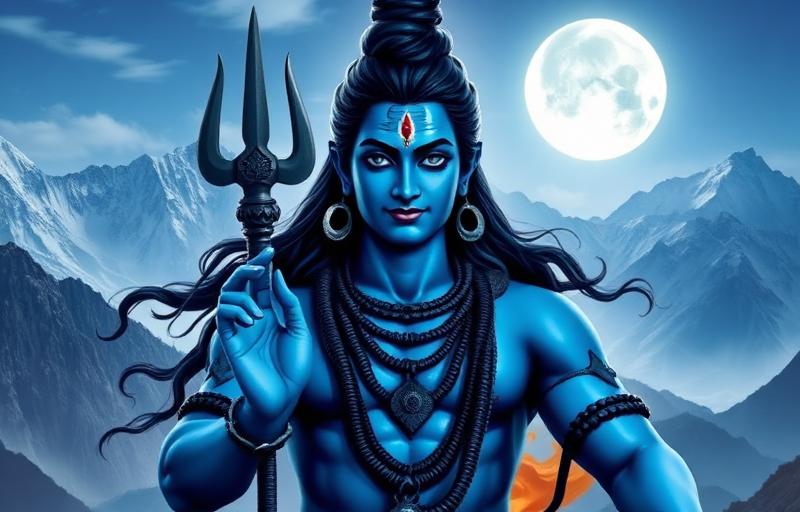
Shiv Mantra for Peace and Success (शांति और सफलता के लिए शिव मंत्र)
9 min read
Om Namah Shivaya Mantra Benefits & Meaning (ॐ नमः शिवाय)
9 min read
Maha Mrityunjaya Mantra: Meaning & Benefits (महा मृत्युंजय मंत्र)
9 min read
Best Day to Worship Lord Shiva – Monday, Mahashivratri, Shravan & Pradosh Vrat Guide
13 min read