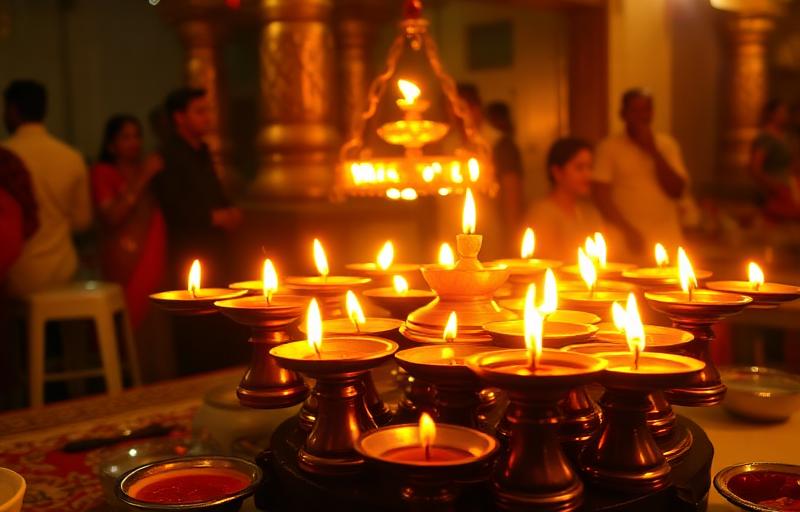
घर पर शिव पूजा - आशुतोष की सबसे सुलभ उपासना
Lord Shiva is called 'Aashutosha' - the easily pleased one. Unlike many deities who require elaborate rituals and professional priests, Shiva responds to sincere devotion offered even through a simple cup of water. The Shiv Purana states that offering even a single Bel leaf with a pure heart is enough to please Mahadeva. This accessibility makes Shiv puja the most democratic form of worship in the Hindu tradition - available to every person regardless of caste, financial means, or priestly training.
Home worship of Shiva holds a special place in the Shaivite tradition. The Skanda Purana explicitly states that performing Shiv puja in your own home can yield the same spiritual merit as worshipping at famous Jyotirlinga temples. When you consecrate a space in your home for Shiva, that space gradually accumulates divine energy that purifies the entire household - family members report better sleep, reduced arguments, and a sense of calm that pervades the living space.
Modern life with its hectic schedules makes regular temple visits difficult. But the beauty of Shiv upasana is that you can maintain a consistent daily practice at home in as little as 10 minutes, or expand into a full ritual when time permits. This guide gives you everything - the setup, the complete Shodashopachara vidhi, the specific mantras, the Panchamrita technique, and the common mistakes - so your home becomes your most sacred place of Shiva worship.
Shiva Puja Space Setup - Shivalinga, Direction, and Samagri
Choosing the right location is the foundation of a powerful home worship practice. According to Vastu Shastra and Shaiva texts, the North-East corner (Ishaan Kone) of your home is the most auspicious placement for a Shiva shrine. The North direction is Shiva's direction - he resides on Mount Kailash which lies to the North. If North-East is not possible, the East (facing sunrise) is the next best option. Avoid placing the Shivalinga in the South direction or in the bedroom.
For the Shivalinga itself, different materials carry different energies. The Narmadeshwar Shivalinga - naturally formed stones from the Narmada River - is considered the most sacred for home worship and is self-consecrated (Swayambhu), requiring no separate Prana-Pratishtha ceremony. Sphatik (clear crystal) Shivalinga amplifies prayer vibrations and is excellent for home use. A Parada (mercury) Shivalinga is the most powerful for serious practitioners. Simple clay (mitti) Shivalinga can be prepared fresh for worship on Mahashivratri. For size, the Agamic 'Angushtha-pramana' rule recommends a home Shivalinga no larger than your thumb - larger ones belong in public temples.
Your complete puja samagri list: pure water or Ganga jal, raw cow's milk, bel patra (Bilva leaves - 3 leaves per stalk), white flowers (lotus, champa, or aak), Dhatura fruit or flower when available, sandalwood paste (chandan), incense sticks, a ghee lamp (diya), Vibhuti (sacred ash from havan or temple), a Rudraksha mala for japa, and fresh fruits as prasad. Note: Even if only water, milk, and bel patra are available, the puja is complete and valid.
Complete Shodashopachara Puja Vidhi - The 16-Step Home Ritual
The Shodashopachara - sixteen offerings - represents the complete hospitality extended to a divine guest. Begin by mentally invoking Shiva with the Avahana mantra: 'Om Hraam Hreem Hroom Shivaya Aagaccha Aagaccha Svaha' (O Lord, please arrive and be present). Then offer a seat (Asana) by placing a small cloth under the Shivalinga.
The third offering is Padya (water for the feet) - pour a little water near the linga base. Fourth is Arghya (water for hands) - pour water over the linga while chanting Om Namah Shivaya. Fifth is Achamana (sipping water) - symbolically offer water three times. Sixth is the Snana (bathing) - the Abhishek, which is the heart of Shiv puja. Begin with pure water, then proceed through the Panchamrita. Seventh is Vastra (cloth) - offer a small piece of white or red cloth. Eighth is Yajnopaveeta (sacred thread) - offer a fresh sacred thread if available.
Ninth is Gandha (sandalwood paste) - apply chandan on the linga. Tenth is Pushpa (flowers) - offer bel patra first, then other flowers. Eleventh is Dhupa (incense) - wave lit incense. Twelfth is Deepa (lamp) - perform the diya aarti in a clockwise circle. Thirteenth is Naivedya (food) - offer milk, fruits, or sweets. Fourteenth is Taamboola (betel) - optional. Fifteenth is Dakshina - place a coin symbolically. Sixteenth is Pradakshina - perform the Ardha-Pradakshina (half-circle, not full) around the Shivalinga, then prostrate and offer your final prayer.
Panchamrita Abhishek - The 5 Sacred Nectars and Their Meanings
Panchamrita Abhishek - bathing the Shivalinga with five sacred nectars - is the most spiritually potent element of Shiv puja. Each substance carries symbolic meaning. The five are: raw cow's milk (Dugdha), natural curd/yogurt (Dadhi), pure ghee (Ghrita), raw honey (Madhu), and fine sugar or mishri (Sharkara).
Pour each substance separately while chanting the specific mantra. For milk: 'Ksheera Snanena Truptim De Mahadeva Namo Namah' - milk represents purity and soothes the lunar mind. For curd: 'Dadhi Snanena Truptim De' - curd symbolizes prosperity and transformation. For ghee: 'Ghrita Snanena Truptim De' - ghee represents luminosity and the victory of light over darkness. For honey: 'Madhu Snanena Truptim De' - honey brings sweetness to relationships and speech. For sugar: 'Sharkara Snanena Truptim De' - represents complete auspiciousness and liberation from bitterness.
After the five substances, pour fresh water to cleanse the linga, then offer Ganga jal if available. The entire Panchamrita can be completed in 5 minutes for a daily practice or extended to 20 minutes with full mantras on Monday or special occasions. The Panchamrita that flows from the abhishek becomes sacred prasad - offer it to family members as a teaspoon each. Never discard Panchamrita in the drain; pour it at the base of a tree or in a flowing water source.
Mantras for Each Stage of Shiv Puja
Each stage of Shiv puja has a specific mantra that activates the spiritual power of that offering. During Abhishek, the primary mantra is the Panchakshara: 'Om Namah Shivaya' (108 times). The Mahamrityunjaya Mantra - 'Om Tryambakam Yajamahe Sugandhim Pushtivardhanam, Urvarukamiva Bandhanaan Mrityor Mukshiya Mamritat' - is specifically for the main abhishek and is considered the most powerful mantra for health, longevity, and liberation.
For the Gandha (sandalwood) offering: 'Om Shivaya Chandanena Truptim De.' For Pushpa (bel patra): say 'Bilva Patram Shivam Arpayami' as you place each leaf. For Dhupa: 'Dhupam Ghrapayami Om Namah Shivaya.' For Deepa: 'Deepam Darshayami Om Namah Shivaya.' For Naivedya: 'Om Namah Shivaya Idam Naivedyam Samarpayami.'
The Rudra Gayatri is the most elevated mantra for Shiv worship: 'Om Tatpurushaya Vidmahe Mahadevaya Dhimahi, Tanno Rudrah Prachodayat' - I meditate on Mahadeva, may Rudra guide me. For the closing prayer (Visarjan): 'Yaani kaani cha papaani janmantara kritaani cha, taani taani vinashyanti pradakshine pade pade' - may all sins of all lifetimes be destroyed with each step of my circumambulation. For a quick daily puja, just 'Om Namah Shivaya' throughout every offering is sufficient and deeply effective.
5 Items Forbidden in Shiv Puja - Stories Behind Each Prohibition
Five categories of offerings are strictly prohibited in Shiva worship, each with a mythological reason that deepens your reverence and prevents inadvertent disrespect.
Tulsi (Holy Basil) must never be offered to Shiva. The Shiv Purana narrates the story of Vrinda, the devoted wife of the demon Jalandhar. When Shiva killed Jalandhar after Vishnu disguised himself as Jalandhar to break Vrinda's chastity vow, Vrinda cursed Vishnu and then immolated herself. From her ashes grew the Tulsi plant. Because Shiva was instrumental in this tragedy, Tulsi carries a prohibition against being offered to him. Tulsi is sacred to Vishnu alone.
Ketaki (Pandanus/Screw Pine flower): In a cosmic test to determine who was supreme - Brahma or Vishnu - both searched for the beginning and end of Shiva's infinite column of light. Brahma falsely claimed success, using the Ketaki flower as a false witness. Shiva cursed Ketaki to never be used in his worship. Kumkum/Haldi (turmeric) applied directly to the Shivalinga is also discouraged - it is the marker of the feminine principle (Shakti), while the Shivalinga represents the masculine principle (Shiva-tattva). Water poured through a Shankh (conch shell) is forbidden - the conch is Vishnu's symbol, and Shiva had killed the demon Shankhachura who took refuge in conch shells. Always use a copper or brass vessel. Finally, broken rice (akshat) - 'akshat' literally means 'unbroken,' so always offer whole, unbroken grains.
Monday Shiv Puja vs. Somvar Vrat - Complete 2026 Shravan Guide
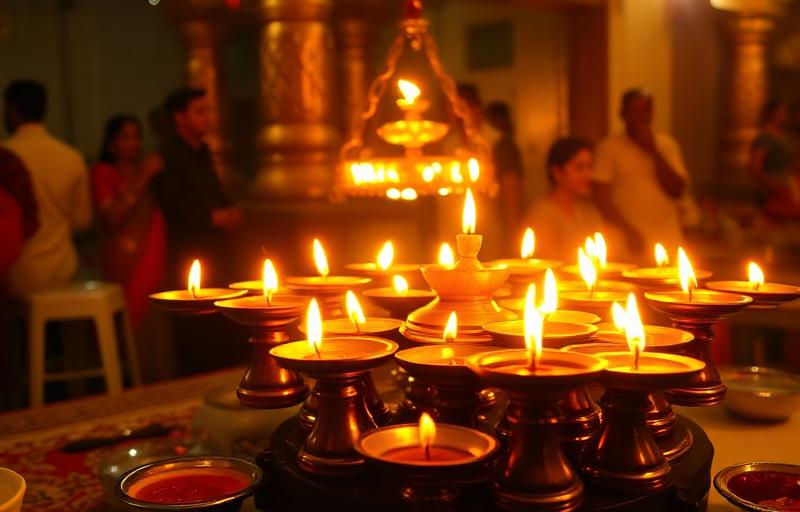
While daily Shiv puja creates a consistent spiritual foundation, the Monday Vrat (Somvar Vrat) elevates the practice to a transformative weekly discipline. The difference is one of commitment: the vrat involves fasting (nirjala or with fruits only), extended ritual worship, recitation of the Somvar Vrat Katha, and specific dietary restrictions throughout the day. A simple Monday puja is devotional; the vrat is a complete spiritual sadhana.
The 16 Somvar Vrat (Solah Somvar Vrat) is particularly significant - sixteen consecutive Monday observances dedicated to Shiva-Parvati. Unmarried women perform this vrat to receive a devoted husband like Lord Shiva, following the example of Goddess Parvati who performed it to win Shiva's love. Married couples and men perform it for family harmony, health, and fulfillment of specific desires. Begin on the first Monday of Shravan month for maximum potency. The 17th Monday marks the Udyapana - the conclusion ceremony where you feed 16 Brahmins or 16 deserving people as an act of gratitude.
For 2026 Shravan month - the most auspicious period for Shiv worship: Shravan begins on 27 July 2026 and ends on 24 August 2026. The 5 Shravan Mondays are: 27 July, 3 August, 10 August, 17 August, and 24 August. These days are 10,000 times more powerful for Shiv puja than regular Mondays. Plan your most significant worship, special abhisheks, and long Mahamrityunjaya japa sessions on these dates. If you begin the 16 Somvar Vrat on 27 July 2026, you will complete it on 9 November 2026 - a deeply auspicious completion time near Kartik month.
Conclusion - Your 3-Week Home Shiv Puja Beginner Plan
The transformative power of consistent Shiv puja at home unfolds gradually - like water slowly carving stone. Devotees who maintain daily Shiv worship report increased mental clarity, reduction in anxiety, better sleep, and a sense of being protected and guided. Modern research on mantra meditation shows measurable changes in cortisol levels and heart rate variability after consistent practice - affirming what the Vedic tradition has always known.
Your 3-week beginner plan: Week 1 - establish the physical space, choose your Shivalinga, and begin with the simple offering of water and 11 repetitions of Om Namah Shivaya each morning. Week 2 - add the Panchamrita abhishek on Monday and Mahamrityunjaya mantra 11 times. Week 3 - perform the complete Shodashopachara puja on Monday, add the evening diya and Shiv aarti, and begin reading the Somvar Vrat Katha.
For 2026, the most auspicious periods for deepening your practice: Shravan month (27 July to 24 August) with five sacred Mondays; the Pradosh Vrats occurring on every 13th lunar day (twice monthly); and Masik Shivratri on the 14th day of each dark fortnight. As you move through these sacred rhythms, Shiva's presence - calm, vast, unshakeable - gradually becomes your own inner experience. Har Har Mahadev.
What People Ask Most
Can women touch the Shivalinga and perform Shiv puja at home?+
Yes, absolutely. Lord Shiva is Ardhanarishvara - literally half-male, half-female - representing that Shiva and Shakti are inseparable. There is no scriptural basis for prohibiting women from touching the Shivalinga or performing Shiv puja at any time. The Shiv Purana and Agamic texts are clear that anyone who worships Shiva with a pure heart receives his blessings equally regardless of gender. The folk belief about menstruating women not touching the Shivalinga is a regional social tradition, not a universal Shaiva rule - many prominent Shaiva temples actively welcome women's worship.
Which type of Shivalinga is best for worship at home?+
The Narmadeshwar Shivalinga - naturally shaped stones from the Narmada River - is considered most sacred for home worship because it is Swayambhu (self-manifested) and requires no separate Prana-Pratishtha ceremony. Sphatik (crystal) Shivalinga is also excellent and amplifies prayer vibrations. For size, the Angushtha-pramana rule from Agamic texts says a home Shivalinga should be no larger than your thumb - larger ones belong in public temples. Ensure the Shivalinga comes from a reputable source and wash it in Ganga jal before beginning regular worship.
How many times should I pour water on the Shivalinga - does the number matter?+
Yes, numbers are significant in Shiv worship. Odd numbers are always preferred - 3, 7, 11, or 21 pourings are common and auspicious. Some texts recommend continuous pouring (a steady stream) using a vessel with a small hole, creating the effect of an unbroken offering. The minimum meaningful offering is 3 pourings - one each representing Brahma, Vishnu, and Shiva respectively. Water should always flow gently and steadily; forceful or splashing pouring is considered disrespectful to the deity.
Can I perform Shiv puja without bathing in the morning?+
The ideal is to bathe before puja, but this rule has flexibility built into the tradition. If you are unwell, elderly, or bathing is not possible, washing your hands, feet, and face (Achamana - symbolic inner purification) is accepted as sufficient. The Shiv Purana emphasizes internal purity - a pure heart and pure intention - above external cleanliness. Shiva's accessible nature as Aashutosha means he accepts devotion even under imperfect ritual conditions, provided the heart is sincere and free from arrogance.
What can I offer if I don't have Bel Patra (Bilva leaves)?+
Bel Patra is the most sacred offering for Shiva, but scriptures explicitly state that what matters is devotion, not the physical item. In the absence of bel patra, you may offer white flowers (lotus, champa, or any white flower), Dhatura fruit or flowers (highly auspicious for Shiva), or even clean fresh green leaves from any plant. Some texts state that chanting 'Om Namah Shivaya' while offering water with the mental visualization of a bel leaf carries the same spiritual effect as the physical offering. The Bilvashtakam stotram says one bel leaf offered with devotion removes sins of thousands of lifetimes.
Can I keep other deities in the same puja space as the Shivalinga?+
Yes, other deities can coexist alongside the Shivalinga in your home mandir. The traditional arrangement includes Shiva at center, Ganesha at the front (always worshipped first), Parvati beside Shiva, and Nandi facing the Shivalinga. Vishnu deities (Rama, Krishna, Lakshmi) can also be included. The key rule for mixed-deity altars: Ganesha should always be at the entrance or front; the Shivalinga gets the central position; and ensure that items forbidden for Shiva (like Tulsi) are not accidentally offered to the Shivalinga while making offerings to Vishnu deities.
About the author
Dr. Suresh Iyer · Vastu Shastra & Jyotish, 18+ years
Dr. Suresh has practiced traditional Vastu and basic Vedic Jyotish for over 18 years across South India. He contributes the Vastu, direction, and home-puja layout guides on Vandnaa.
Meet the Vandnaa editorial team →