What is Shiva Ashtottara Shatanamavali?
Shiva Ashtottara Shatanamavali is the sacred hymn containing 108 divine names of Lord Shiva (also called Mahadev, Bholanath, Mahakal). The word 'Ashtottara' means '108' (Ashta = 8 + Uttara = 100) and 'Shatanamavali' means 'garland of one hundred names'. Each of the 108 names captures one aspect of Shiva - from his Himalayan austerity (Tapasvi) to his cosmic dance (Nataraja), from his fierce destroyer form (Rudra) to his most compassionate aspect (Shankara). The hymn is found in the Shiva Purana and the Padma Purana, and is part of the daily Sandhya Vandanam ritual in Shaivite households. Unlike beej mantras that require precise pronunciation, the Ashtottara is forgiving - Shiva is 'Bhola Bhandari' (the innocent generous one) who responds to bhava (devotion) more than perfect Sanskrit. The hymn takes 10-12 minutes to recite, fitting perfectly into a morning or evening puja. It is the single most recited Shiva prayer during Mondays, Pradosh, Mahashivaratri, and the Sawan month (July-August). South Indian Shiva temples (especially in Tamil Nadu, Karnataka) recite it at every abhishekam ceremony. The Ashtottara is considered the 'complete prayer' for any Shiva devotee - combining devotion (bhakti), invocation (avahana), and surrender (sharanagati) in one practice.
Complete 108 Names of Shiva (Sanskrit + Meaning)
Each name begins with 'Om' and ends with 'Namah'. Names 1-24: Om Shivaya Namah (auspicious one), Om Maheshwaraya Namah (great lord), Om Shambhave Namah (giver of joy), Om Pinakine Namah (wielder of pinaka bow), Om Shashishekharaya Namah (moon-crested), Om Vamadevaya Namah (left-handed god), Om Virupakshaya Namah (three-eyed), Om Kapardine Namah (matted-hair), Om Nilalohitaya Namah (blue-throated red-bodied), Om Shankaraya Namah (granter of peace), Om Shulapanaye Namah (trident-wielder), Om Khatvangine Namah (skull-staff bearer), Om Vishnuvallabhaya Namah (dear to Vishnu), Om Shipivishtaya Namah (whose rays illumine all), Om Ambika Nathaya Namah (lord of Ambika), Om Shri Kanthaya Namah (one with beautiful throat), Om Bhaktavatsalaya Namah (loving to devotees), Om Bhavaya Namah (existence itself), Om Sharvaya Namah (slayer of demons), Om Trilokeshaya Namah (lord of three worlds), Om Shitikanthaya Namah (auspicious-throated), Om Shivapriyaya Namah (dear to the auspicious goddess), Om Ugraya Namah (fierce), Om Kapaline Namah (skull-bearer). Names 25-48: Om Kaamarine Namah (enemy of Kama), Om Andhakasura Sudanaya Namah (slayer of Andhaka), Om Gangadharaya Namah (Ganga-bearer), Om Lalataksha Namah (third eye on forehead), Om Kaalakaalaya Namah (death of death), Om Kripanidhaye Namah (treasure of mercy), Om Bhimaya Namah (formidable), Om Parashuhastaya Namah (axe-handed), Om Mrigapanaye Namah (deer-handed), Om Jatadharaya Namah (matted hair), Om Kailasavasine Namah (Mount Kailash dweller), Om Kavachine Namah (armored), Om Kathoraya Namah (severe), Om Tripurantakaya Namah (destroyer of three cities), Om Vrishanga Namah (bull-riding), Om Vrishabharudhaya Namah (mounted on Nandi bull), Om Bhasmodhulita Vigrahaya Namah (smeared with sacred ash), Om Samapriyaya Namah (lover of Sama Veda), Om Svaramayaya Namah (musical-formed), Om Trayimurtaye Namah (form of three Vedas), Om Anishvaraya Namah (without superior), Om Sarvajnaaya Namah (omniscient), Om Paramatmaane Namah (supreme soul), Om Somasuryagnilochanaya Namah (whose eyes are moon-sun-fire). Names 49-72: Om Havise Namah (sacrificial offering), Om Yajna Mayaya Namah (made of yajna), Om Somaya Namah (moon), Om Panchavaktraya Namah (five-faced), Om Sadashivaya Namah (eternally auspicious), Om Vishveshvaraya Namah (lord of universe), Om Virabhadraya Namah (great warrior), Om Gananathaya Namah (lord of ganas), Om Prajapataye Namah (lord of creation), Om Hiranyaretase Namah (golden-semen), Om Durdharshaya Namah (irresistible), Om Girishaya Namah (mountain lord), Om Girishaya Namah (mountain-dweller), Om Anaghaya Namah (sinless), Om Bhujanga Bhushanaya Namah (snake-ornamented), Om Bhargaya Namah (radiant), Om Giridhanvane Namah (mountain-bowed), Om Giripriyaya Namah (mountain-lover), Om Krittivasase Namah (clad in elephant hide), Om Purararaye Namah (enemy of three cities), Om Bhagavate Namah (divine), Om Pramathadhipaya Namah (lord of pramathas), Om Mrityunjayaya Namah (conqueror of death), Om Sukshmatanave Namah (subtle-bodied). Names 73-96: Om Jagad Vyapine Namah (universal pervader), Om Jagadguruve Namah (universal teacher), Om Vyomakeshaaya Namah (sky-haired), Om Mahasenajanakaaya Namah (father of Kartikeya), Om Charuvikramaaya Namah (graceful in stride), Om Rudraya Namah (the fierce), Om Bhutapataye Namah (lord of beings), Om Sthanave Namah (the pillar), Om Aharyaya Namah (deathless), Om Bhuvanteshvaraya Namah (lord of earth-realm), Om Sadyojataya Namah (born suddenly), Om Anaadyaya Namah (without beginning), Om Bhasmodvuyatigaaya Namah (covered in ash), Om Pinakine Namah (Pinaka bearer), Om Shulapaaniine Namah (trident-wielding), Om Vishvarupaaya Namah (cosmic-formed), Om Sahasrakshaaya Namah (thousand-eyed), Om Sahasrapaade Namah (thousand-footed), Om Apavargapradaya Namah (granter of liberation), Om Ananta Atmane Namah (infinite soul), Om Tarakaya Namah (one who liberates), Om Parameshvaraya Namah (supreme lord), Om Mahesvaraya Namah (great lord), Om Hari Hara Vidhi Murta Aya Namah (Trinity in one). Names 97-108: Om Mahaakaalaaya Namah (great time/death), Om Kalashriye Namah (beautiful in time), Om Krittikanthaaya Namah (with severed enemies' heads), Om Lambodaraaya Namah (large-bellied), Om Mahaaprabhu Namah (great lord), Om Sarvaatmane Namah (soul of all), Om Yogapatae Namah (lord of yoga), Om Bhagavate Namah (divine personality), Om Padmanabhaya Namah (lotus-naveled), Om Mahaatma Aya Namah (great soul), Om Chaturmukhaya Namah (four-faced), Om Mahaadevaaya Namah (greatest deva). End with: 'Iti Shri Shivashtottara Shatanamavali Sampurnam'.
7 Benefits of Chanting Shiva's 108 Names Daily
1. Removes accumulated karma (samskara dahana) - Shiva is Mahakal, the destroyer of time and karma. 1 mala daily for 41 days literally lightens karmic burden. Devotees report feeling 'free' from old guilt, regret, and karmic patterns. 2. Cures fear of death and impermanence - Shiva is the lord of death (Mahakal). Names like 'Mrityunjaya' (conqueror of death) and 'Kaalakaalaaya' (death of death itself) build immunity to thanatophobia. Particularly powerful for terminally ill patients facing the end peacefully. 3. Resolves Mahadasha of Saturn (Shani) and Rahu - Shani is Shiva's disciple and Rahu fears Shiva. Devotees in 7.5-year Sade Sati or Rahu Mahadasha doing daily Ashtottara report dramatic reduction in obstacles. 4. Cures chronic anger, addiction, and tamas (lethargy) - Shiva burned Kama (desire) with his third eye. Daily chanting builds the inner fire to overcome compulsive habits - addictions to substances, social media, anger episodes. 5. Heals throat, voice, and breath issues - Shiva is 'Nilakantha' (blue-throated, the one who held cosmic poison in his throat). Singers, teachers, asthmatic patients, and those with thyroid issues report measurable improvements. 6. Marriage and spousal harmony - Shiva-Parvati are the supreme divine couple. Unmarried devotees chanting daily on Monday find compatible partners; married couples find renewed harmony. The 'Ardhanarishvara' name in the Ashtottara specifically supports marriage. 7. Direct path to moksha (liberation) - The Skanda Purana states that chanting Shiva's 108 names at the time of death grants moksha. Daily practice conditions the mind to remember Shiva in the final moment - the ultimate spiritual goal.
Step-by-Step Vidhi for Daily Chanting

Best days: Monday (Shiva's day), Saturday, Pradosh (13th tithi), Mahashivaratri (greatest). Avoid Tuesday for fresh starts. Best time: Brahma Muhurta (4-6 AM) or Pradosh kaal (4:30-7 PM transition). Midnight on Mahashivaratri. Materials: 1. Rudraksha mala (108 beads, 5-mukhi preferred - Shiva's). 2. Bilva (bel) leaves - Shiva's most sacred plant. 3. Bhasma (sacred ash) for tilak. 4. White flowers or aak (calotropis) flowers. 5. Cold milk, water, or panchamrit for abhishekam if you have a lingam. 6. Cotton wick ghee diya. 7. White cloth on aasan. Preparation (5 min): 8. Cold bath ideally (Shiva's signature). 9. Wear white clothes. 10. Sit on white/wool aasan facing east or north. 11. Apply bhasma in three horizontal lines on forehead (tripundra). Sankalpa: 12. Take water in right palm. State: 'I, [name], gotra [gotra], on this [tithi], chant Shiva Ashtottara 108 names for [purpose: health/marriage/moksha]'. Drop water on ground. The chant (12-15 min): 13. Begin with 'Om' three times slowly. 14. Then 'Om Namah Shivaya' 11 times (warm-up). 15. Chant Ashtottara - 108 names, one bead per name. Pace: 6-8 seconds per name. 16. Optionally offer one bilva leaf at each name (108 bilva leaves total - sacred number). Closing (5 min): 17. After name 108, say 'Iti Shri Shivashtottara Shatanamavali Sampurnam'. 18. Aarti with camphor + diya. Sing 'Om Jai Shiv Omkara' or 'Karpur Gauram Karunavtaram'. 19. Offer prasad - bilva water, milk-sugar (panchamrit), kheer. 20. Sit silently for 5-10 minutes - this 'absorption' period is when Shiva's energy settles in you. 21. Don't talk to anyone for 30 minutes - let energy integrate.
Best Festivals & Days to Chant
Weekly: Monday (Somvar) is THE day for Shiva. Saturday (Shanivar) is second-best - Shani is Shiva's disciple. Monthly: Pradosh Vrat (13th tithi of each lunar fortnight, twice a month) - chant at evening twilight. Masik Shivratri (14th tithi of Krishna paksha each month) - chant at midnight. Annual major occasions: 1. Mahashivaratri (Phalgun Krishna 14, Feb-March) - chant 4 times across the 4 prahars of the night for the greatest blessing. 2. Sawan/Shravan month (July-August) - every Monday of Shravan, do 11 Ashtottaras. Most powerful month of the year for Shiva sadhana. 3. Kartik Purnima (Oct-Nov) - Tripurari Purnima, the day Shiva killed Tripurasura. 4. Sawan Shivratri (last Monday of Sawan) - second Mahashivaratri equivalent. 5. Pradosh in Shravan - extra-powerful pradosh in Sawan month. Inauspicious days: Avoid Tuesday for fresh start (it's Hanuman's day; better to start any new Hanuman-Shiva mixed practice on Monday). Avoid the day after a relative's death (sutak period - wait until 13th day kriya).
Frequently Asked Questions
Is Shiva Ashtottara the same as Maha Mrityunjaya or Rudrashtakam?+
No - all three are Shiva prayers but different. Shiva Ashtottara: 108 names, devotional, 10-12 min, daily practice. Maha Mrityunjaya Mantra: 1 mantra (32 syllables), specifically for health/death protection, chant 108 times in 8-10 min. Rudrashtakam: 8 stanzas by Tulsidas in Awadhi, more poetic and emotional, 6-8 min. Use Ashtottara for devotion + general blessing, Maha Mrityunjaya for health crisis, Rudrashtakam for surrender during severe distress.
Should I use mustard oil or ghee for the diya?+
GHEE only for Shiva. Mustard oil is for Hanuman, Shani, and Bhairav (Shiva's fierce form). Pure cow ghee with cotton wick is the standard for Mahadev. Sesame oil (til ka tel) is also acceptable for daily Shiva puja. Camphor (kapoor) is mandatory for aarti - Shiva is the only deity where camphor is considered essential rather than optional.
Can women chant Shiva Ashtottara during menstruation?+
Manasik (mental) jap is allowed. Physical contact with lingam, abhishekam, and offering bilva should be skipped. Shiva is the only deity in Hindu tradition who has stated 'I see no impurity in any natural process' (in Shiva Purana). Many Shaivite traditions explicitly allow female practitioners during periods. Listen to recorded recitation, mentally repeat, and visualize Shiva in meditation pose.
What's the difference between Ashtottara and Rudram?+
Rudram (Sri Rudram from Krishna Yajurveda) is a much longer Vedic hymn of 11 anuvakas (~30 minutes to chant). It's used in Rudrabhishekam - the most elaborate Shiva ritual involving 11 ingredients abhishek. Ashtottara is post-Vedic (Puranic), shorter (10-12 min), and meant for daily devotion. Order of authority: Sri Rudram > Ashtottara > Chalisa > simpler bhajans. For deep Shiva sadhana on special days (Mahashivaratri, Pradosh), Rudram is best. For daily practice, Ashtottara is optimal.
What if I cannot chant all 108 names due to time constraints?+
Three options: (1) Chant just 'Om Namah Shivaya' 108 times (5-6 min) - equally powerful for daily protection. (2) Chant the first 12 names of Ashtottara (representing the 12 Jyotirlingas) - 2-3 min, ideal for tight schedules. (3) Chant the full Ashtottara on weekends only, daily Om Namah Shivaya on weekdays. Consistency matters more than completeness. Shiva himself said in Skanda Purana: 'Even one of my names chanted with bhava equals thousands chanted mechanically.'
About the author
Acharya Vinaya Kapoor · M.A. Sanskrit, Mantra & Stotra Studies
Acharya Vinaya holds an M.A. in Sanskrit from Banaras Hindu University and writes the mantra and stotra commentary on Vandnaa. Her focus is on accurate pronunciation, traditional context, and helping modern readers connect with classical texts.
Meet the Vandnaa editorial team →Explore on Vandnaa
Related Articles

Panchakshari Mantra - Om Namah Shivaya Deep Meaning, 11 Benefits & Vidhi
10 min read
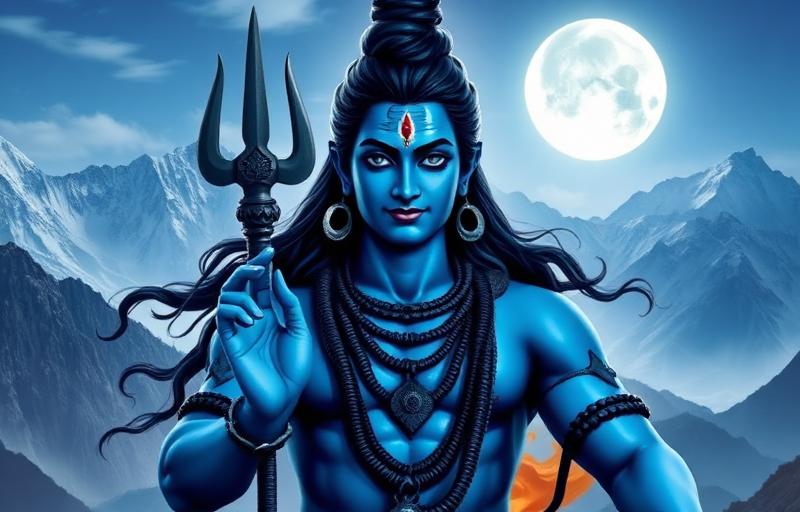
Maha Mrityunjaya Mantra: Meaning & Benefits (महा मृत्युंजय मंत्र)
9 min read
Rudrashtakam: Meaning, Benefits & Jap Vidhi (Tulsidas's Shiva Stotra)
8 min read
Krishna Ashtottara Shatanamavali - Complete 108 Names of Krishna with Meaning & Benefits
12 min read