What Is Shiva's Jata?
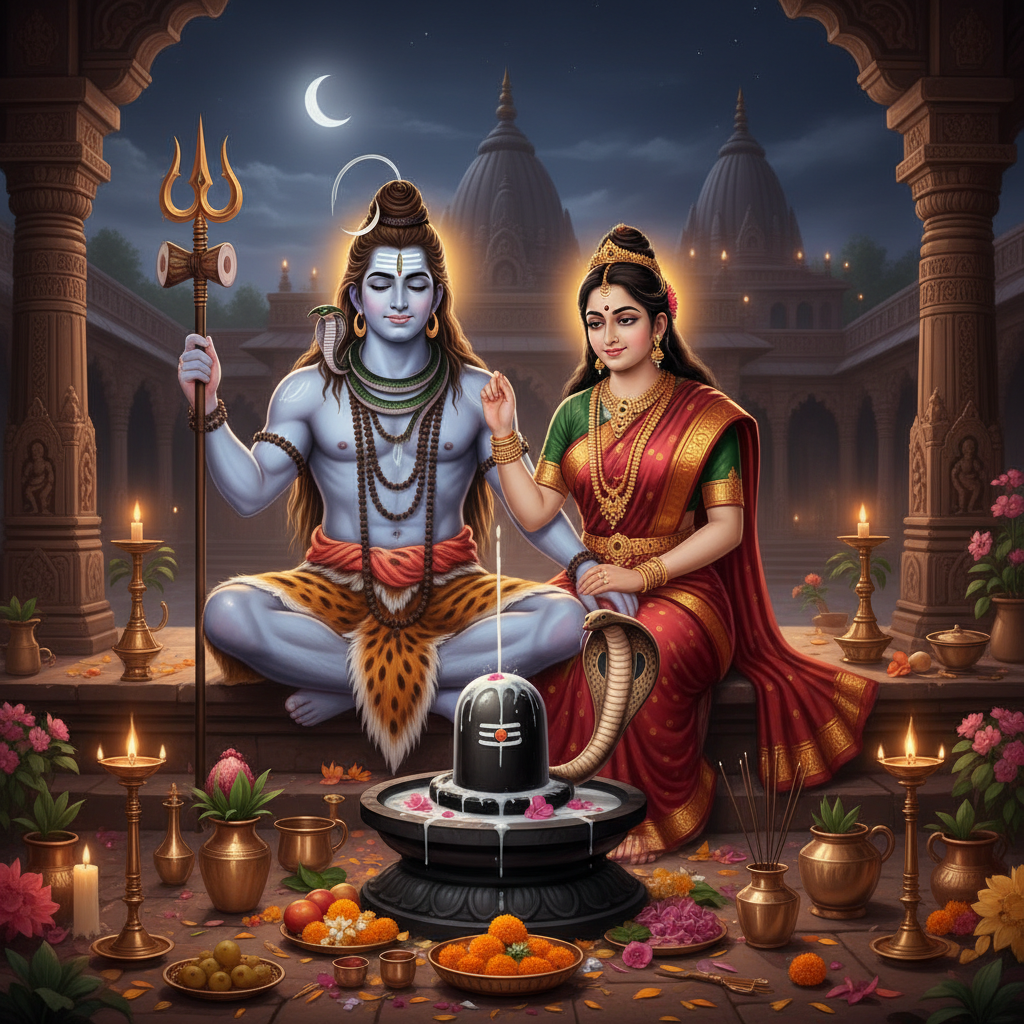
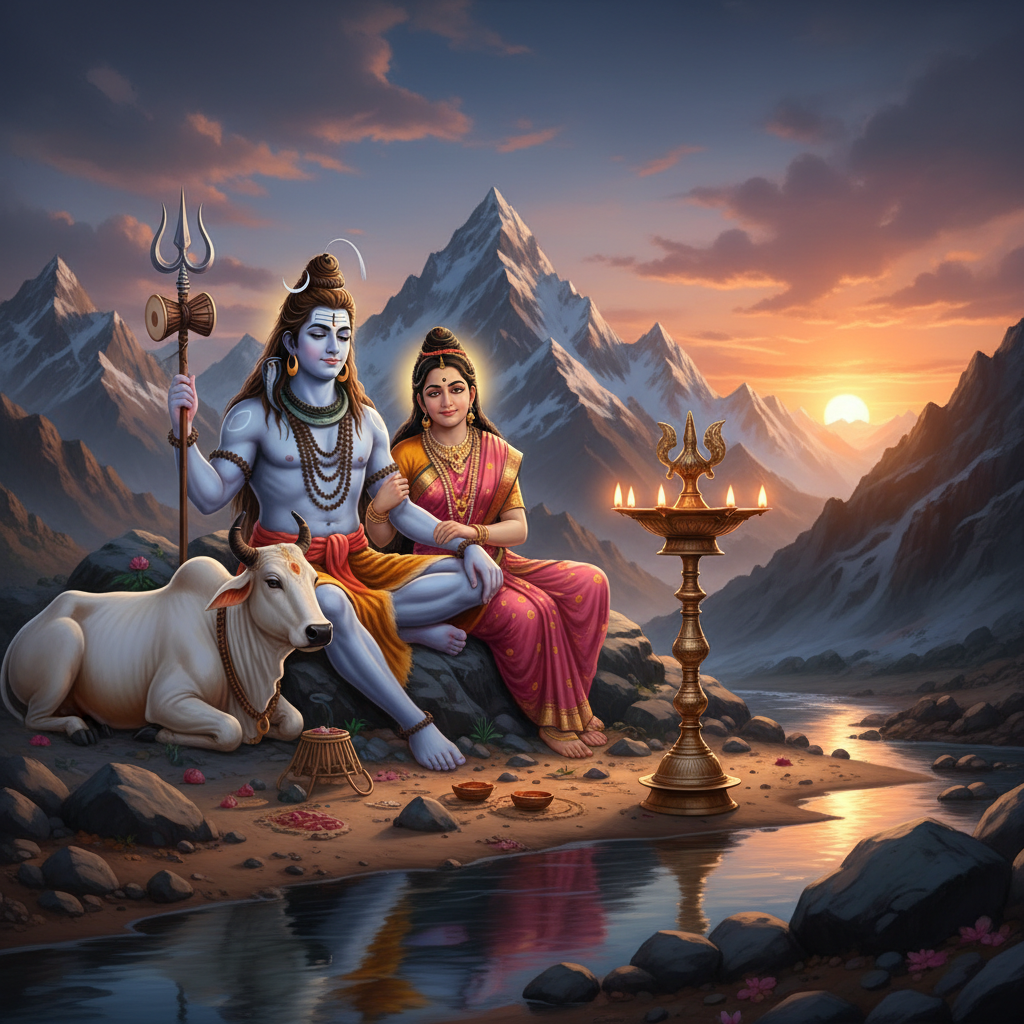
Shiva is traditionally depicted with jata, thick matted locks of hair piled and coiled upon his head, often adorned with a crescent moon and, in many depictions, a stream of water flowing from within them. This distinctive hairstyle is associated with his ascetic nature, reflecting a being who has renounced worldly grooming and vanity in favour of deep meditation.
Within these locks, tradition places one of the most beloved stories in Hindu devotion, that of the river Ganga's descent to earth.
The Katha of Ganga Avataran
According to the Puranas, King Bhagiratha performed intense penance to bring the celestial river Ganga down to earth in order to liberate the souls of his ancestors. It is said that Ganga's descent would have been so powerful that the earth could not have withstood its force, so Bhagiratha prayed to Shiva for help.
Tradition holds that Shiva agreed to receive the mighty river upon his own head, allowing her to wind gently through his matted locks before flowing down to earth in manageable streams, ultimately becoming the sacred river devotees revere today.
Significance of This Symbolism
This katha is cherished for showing Shiva's role as a protector, one who absorbs overwhelming force to shield the world from harm. It is also seen as a lesson in humility and surrender, with a great river choosing to first pass through Shiva's locks rather than descend with pride and force.
Shiva is affectionately called Gangadhara, "the bearer of Ganga," a title devotees use with great reverence, recognizing him as the one who made her sacred waters accessible and safe for the world.
How Devotees Honour This Story

This story is especially remembered during Ganga Dussehra, celebrated as the day Ganga is believed to have descended to earth, when devotees offer prayers at riverbanks and Shiva temples alike. Chanting Om Namah Shivaya alongside prayers to Ganga is a common practice on this occasion.
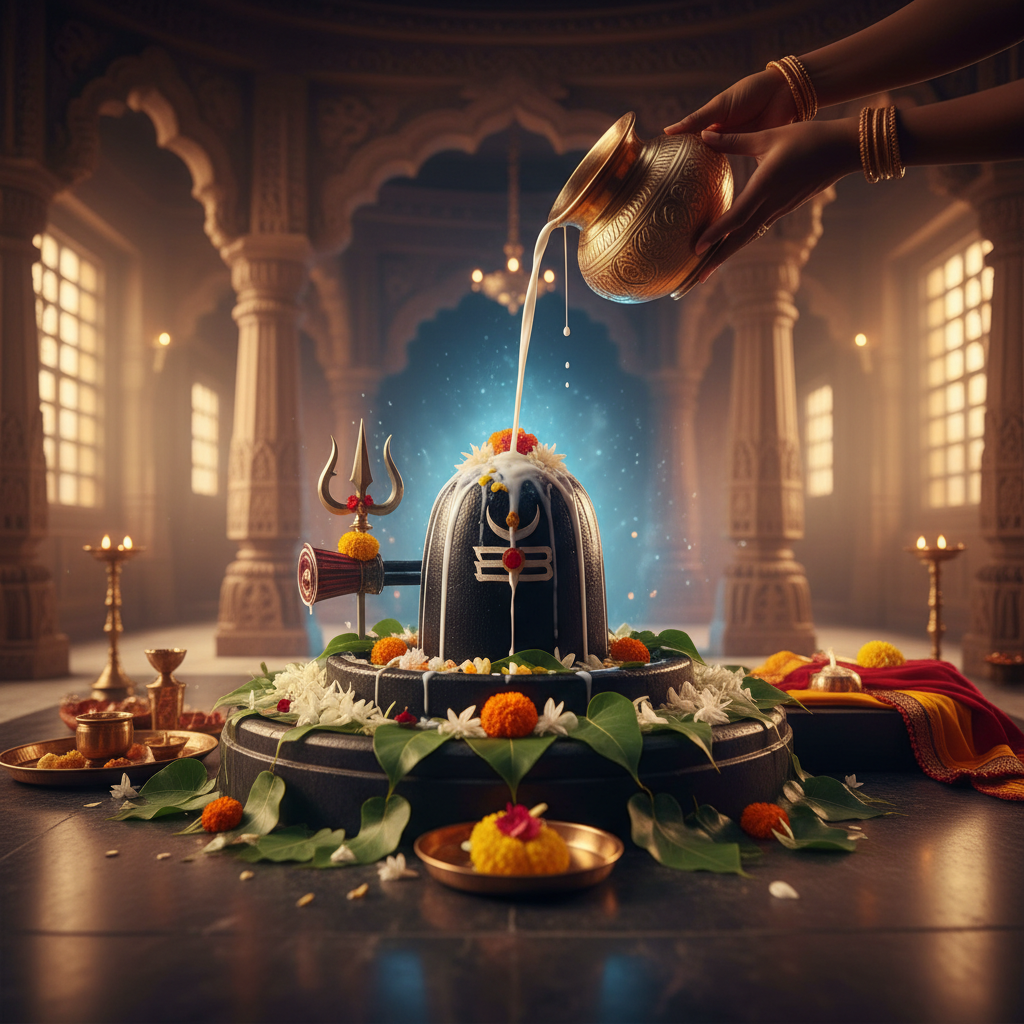
Many Shiva temples also feature a small stream or vessel of water positioned above the lingam, continuously dripping, as a living reminder of Ganga flowing eternally through Shiva's locks.
A Practical Takeaway
This katha teaches devotees that great strength can also mean gently absorbing what would otherwise overwhelm others, protecting those who are vulnerable. It encourages patience, humility and the willingness to soften a powerful force for the good of all.
Remembering Shiva as Gangadhara is an act of faith and love, not a transaction, connecting devotees to a story of protection that flows, quite literally, through sacred waters to this day.
Frequently Asked Questions
Why does Shiva have Ganga in his hair?+
According to tradition, Shiva received the descending river Ganga in his matted locks to soften her powerful fall and protect the earth, at the request of King Bhagiratha.
Why is Shiva called Gangadhara?+
Shiva is called Gangadhara, meaning the bearer of Ganga, because tradition credits him with receiving the river on his head, making her waters safe and accessible to the world.
Which festival celebrates Ganga's descent to earth?+
Ganga Dussehra is widely observed as the occasion commemorating the descent of the Ganga to earth through Shiva's matted locks.
About the author
Anjali Mehta · Editor, M.A. Religious Studies
Anjali is the managing editor for Vandnaa and oversees the festival and vrat coverage. She holds an M.A. in Religious Studies and reviews every published article for accuracy, accessibility, and tradition-fidelity.
Meet the Vandnaa editorial team →