What Sindoor Symbolizes
Sindoor is the red or orange vermilion that a married Hindu woman applies in the parting of her hair (maang). It is the most visible symbol of her suhaag (married status) and saubhagya (marital good fortune). A woman first wears sindoor during her wedding, when the groom fills her maang in the ritual of sindoor daan, and she wears it daily thereafter as a sign of her love, commitment and prayer for her husband's long life and the family's wellbeing.
The Spiritual Meaning
Beyond marriage, sindoor carries deep spiritual meaning. The red color represents Shakti - the divine feminine energy - and is linked to power, fertility and life force. The point on the maang where sindoor is applied is near an important energy center of the body, and tradition holds that it helps keep the mind calm and focused. Sindoor is thus seen not only as a marital mark but as a sacred touch of the goddess's energy on a woman's being.
Links to Goddess Parvati and Sati
Sindoor is closely tied to Goddess Parvati and Sati, the ideal devoted wives of Lord Shiva. Married women worship Parvati as Gauri, the giver of an unbroken married life (akhand saubhagya), especially during festivals like Teej, Hartalika and Karwa Chauth. Sati's complete devotion to her husband is honored as the spirit behind wearing sindoor. By applying it, a woman is believed to invoke the blessings of these goddesses for her husband's long life and a happy marriage.
Sindoor and Lord Hanuman
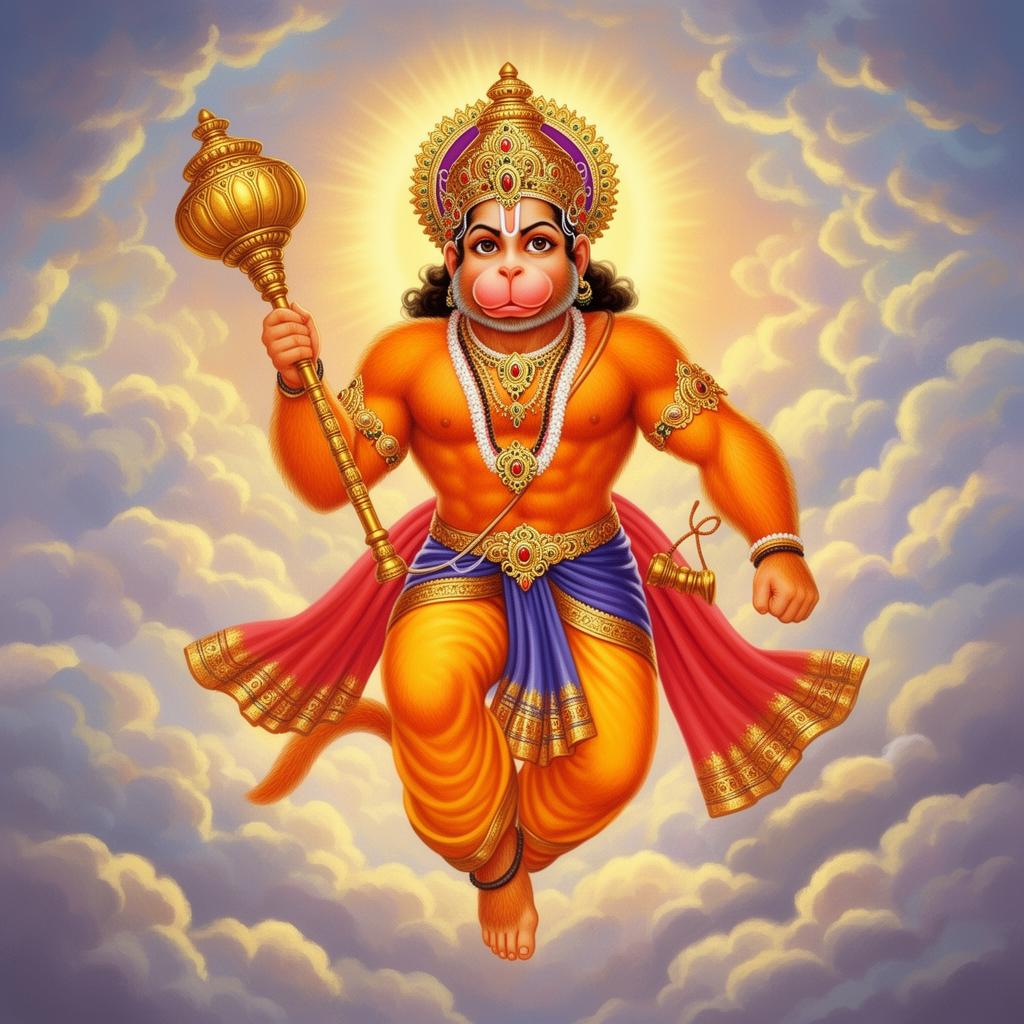
Sindoor has a beloved connection with Lord Hanuman, who is famously worshipped with sindoor and chameli (jasmine) oil. The well-loved story tells that when Hanuman saw Mata Sita apply sindoor in her maang for Lord Rama's long life, he covered his entire body in sindoor out of his boundless devotion, wishing the longest possible life for his beloved Ram. This is why offering sindoor to Hanuman ji on Tuesdays and Saturdays is considered highly auspicious and pleasing to Bajrangbali.
Customs and Daily Practice
By custom, a married woman applies sindoor each morning, often after a bath and before the day begins, frequently while praying for her husband and family. It is a key item of the solah shringar (sixteen adornments of a married woman). During festivals like Karwa Chauth, Teej and Navratri, sindoor along with bangles and bindi is given special importance. Many families also exchange and apply sindoor to married women during these occasions as a blessing of saubhagya.
Treating Sindoor with Respect
Sindoor is considered sacred and a symbol of saubhagya, so it should be treated with care and respect. Keep it clean in the puja area or shringar box and avoid letting it spill or fall on the floor. Apply it with a calm, devoted mind rather than in a careless hurry. Whether seen as a marital symbol, an emblem of Shakti, or an offering to Hanuman ji, sindoor is far more than mere makeup - it is a small daily act of devotion and prayer.
What People Ask Most
Why do married Hindu women wear sindoor?+
Sindoor in the maang is the symbol of a woman's suhaag and saubhagya, her married status and marital good fortune. It is worn daily as a sign of love and prayer for her husband's long life.
What is the spiritual meaning of sindoor?+
The red color of sindoor represents Shakti, the divine feminine energy linked to power and life force. Applied near an energy center on the maang, it is believed to keep the mind calm and focused.
How is sindoor connected to Goddess Parvati?+
Married women worship Parvati as Gauri, the giver of akhand saubhagya, on festivals like Teej and Karwa Chauth. Wearing sindoor invokes her blessings for the husband's long life.
Why is Lord Hanuman offered sindoor?+
When Hanuman saw Sita apply sindoor for Rama's long life, his devotion led him to cover his whole body in sindoor. So offering sindoor to Hanuman ji on Tuesdays and Saturdays is highly auspicious.
Is sindoor part of the solah shringar?+
Yes. Sindoor is a key item of the solah shringar, the sixteen adornments of a married woman, along with bindi, bangles and others. It holds special importance during festivals and ceremonies.
How should sindoor be kept and applied?+
Sindoor is sacred, so keep it clean in the puja area or shringar box, avoid spilling it, and apply it with a calm, devoted mind, often after a bath while praying for the family's wellbeing.
About the author
Anjali Mehta · Editor, M.A. Religious Studies
Anjali is the managing editor for Vandnaa and oversees the festival and vrat coverage. She holds an M.A. in Religious Studies and reviews every published article for accuracy, accessibility, and tradition-fidelity.
Meet the Vandnaa editorial team →Explore on Vandnaa
Related Articles
Hanuman Ji Flag (Jhanda) - Significance & Vastu Rules
8 min read
Hanuman Chalisa Lyrics in Hindi & English (हनुमान चालीसा)
12 min read
Durga Aarti Lyrics – Ambe Tu Hai Jagdambe Kali (दुर्गा आरती)
8 min read
Durga Chalisa Lyrics in Hindi & English with Meaning
9 min read

Tulsi ke Niyam - Care, Puja Rules & Benefits
9 min read
Gangajal - Benefits, Uses, Rules & Significance
8 min read