A Sacred Site in Sri Lanka's Hill Country
Amid the cool, misty hills near Nuwara Eliya in central Sri Lanka lies Sita Eliya, a site local devotional tradition holds as connected to Sita during her time in Lanka, as described in the Ramayana. A modest but deeply revered temple to Seetha Amman stands here, beside a flowing stream, drawing devotees who wish to honour her patience and unwavering devotion.
The surrounding landscape of paddy fields and hills gives the site a gentle, contemplative atmosphere, quite different from the coastal grandeur of Sri Lanka's Pancha Ishwaram temples, yet no less cherished by those who visit.
What Local Tradition Holds
According to local devotional belief, this valley is where Sita was kept during her time in Lanka, and the site is popularly associated with the Ashok Vatika described in the Ramayana, the garden of ashoka trees where she awaited news of Rama. Nearby, devotees point to depressions in streamside rocks that local tradition describes as marks left by Hanuman during his visit to reassure her.
Devotees hold these associations with reverence and faith, understanding them as part of a living devotional tradition passed down through generations of pilgrims rather than as claims requiring proof, in the same spirit as many sacred sites connected to itihasa across the Hindu world.
Significance for Devotees
Sita Eliya holds a special place for devotees who honour Sita as an embodiment of patience, purity and unwavering faith, qualities she is remembered for even during her most difficult trial.
- Devotees pray here for strength and patience during personal hardship, drawing on Sita's example
- The temple is a meaningful stop for pilgrims tracing Ramayana-linked sites across Sri Lanka
- Many visit as an expression of devotion to Sita specifically, distinct from temples centred on Rama or Shiva
- The peaceful stream and hill setting make it a favoured spot for quiet reflection and prayer
Darshan Guide and Best Time to Visit
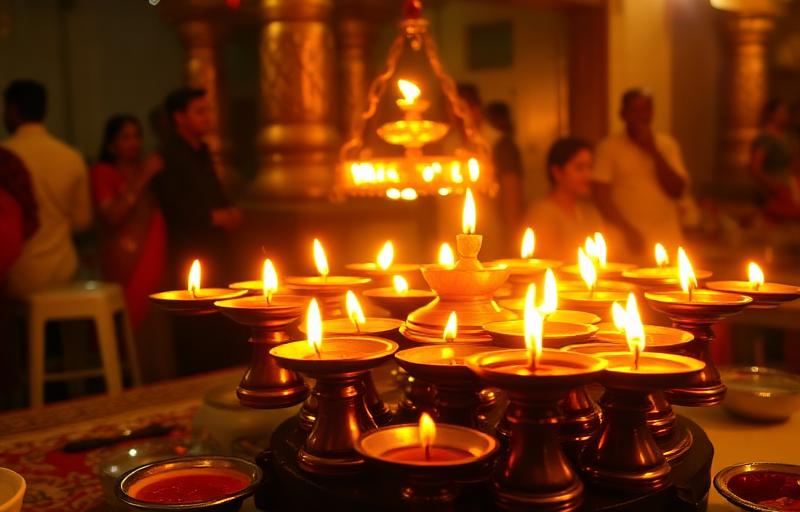
The temple welcomes devotees through the day, and the cool climate of the surrounding hill country makes a visit pleasant at almost any time of year, unlike the warmer coastal temples. Festival days connected to Sita and to the wider Ramayana tradition see a rise in devotee visits, along with pilgrims who arrive as part of organised Ramayana Trail tours that have grown popular among Hindu visitors to Sri Lanka.
Many pilgrims combine a visit here with nearby Hakgala, popularly associated in local tradition with parts of the same Ramayana narrative.
How to Reach Sita Eliya
Sita Eliya lies a short distance from Nuwara Eliya, a well-known hill town in central Sri Lanka reachable by road and rail from Colombo and Kandy. The scenic train journey through the central highlands is itself a popular part of the trip for many visitors.
Nuwara Eliya is well served by local transport, and the temple is easily reached from the town centre by a short drive.
Prayer and the Takeaway
Devotees at Sita Eliya often recite verses in praise of Sita's devotion and purity, or simply sit quietly by the stream in remembrance of her patience during a long and difficult trial. Her example continues to offer comfort to devotees facing their own periods of waiting and hardship.
Honouring Sita here, as at any sacred site connected to her memory, is an act of faith and love, not a transaction, a way of drawing strength from one of the most cherished figures in Hindu devotional tradition.
Common Questions From Devotees
Why is Sita Eliya linked to the Ashok Vatika of the Ramayana?+
Local devotional tradition holds this valley as the place where Sita was kept during her time in Lanka, popularly associated with the garden of ashoka trees described in the Ramayana as Ashok Vatika.
What are the marks seen in the rocks near the temple?+
Local tradition describes certain depressions in the streamside rocks as marks connected to Hanuman's visit to Sita, though devotees hold this as devotional tradition rather than verified fact.
Is Sita Eliya part of a wider pilgrimage trail?+
Yes, many devotees visit it as part of the popular Ramayana Trail, a circuit of Sri Lankan sites associated with the epic's narrative.
About the author
Pandit Ravindra Sharma · Vedic Rituals & Bhakti, 22+ years
Pandit Ravindra is the Vandnaa editorial team's resident specialist on aarti, chalisa, and daily devotion. He has performed home and temple pujas across Varanasi and Delhi for over two decades and contributes the bhakti-focused articles on this site.
Meet the Vandnaa editorial team →