
Sringverpur: The Ganga Crossing Point
Sringverpur (also spelt Shringverpur) is a small site on the banks of the river Ganga near Prayagraj (Allahabad) in Uttar Pradesh, remembered in the Ramayana as the kingdom of Guha, chief of the Nishad community. It was here that Rama, Sita and Lakshmana halted on the very first stage of their exile from Ayodhya, before crossing the Ganga into the forest beyond.
Though a modest site compared to grander temple towns, Sringverpur holds a special place in devotional memory for the warmth and hospitality Guha extended to Rama at a moment of great personal loss.
The Katha: Guha's Devotion and the Boatman's Faith
According to tradition, Guha, though a forest chieftain unfamiliar to Rama, received him with such love that Rama called him a true friend (sakha), setting aside all questions of rank or birth. Guha offered his own bed of leaves and stood guard through the night.
A well-loved part of this katha, especially as told in the Ramcharitmanas, is of the boatman (kevat) who ferried the family across the Ganga. Before letting Rama board, the boatman is said to have gently insisted on washing his feet, half in jest and half in faith, saying he had heard that whatever Rama's feet touched turned sacred, and he did not wish his boat to float away on its own. Rama smiled and obliged, and the boatman refused any payment for the crossing, asking only for Rama's blessing.
Significance: Devotion Beyond Birth and Rank
Sringverpur is treasured by devotees as a lesson in humility and equality, since Rama accepted the love of a forest chief and a humble boatman with the same warmth he showed royalty.
- Devotees remember this episode to reflect on treating every person, regardless of station, with dignity
- The katha of the kevat is often narrated to children as an example of simple, unwavering faith
- Pilgrims visit to honour Guha's sakha bhava (spirit of friendship) toward Rama
- A dip at the Ganga ghat here is considered a humble act of devotion tied to this memory
Darshan Guide and How to Reach
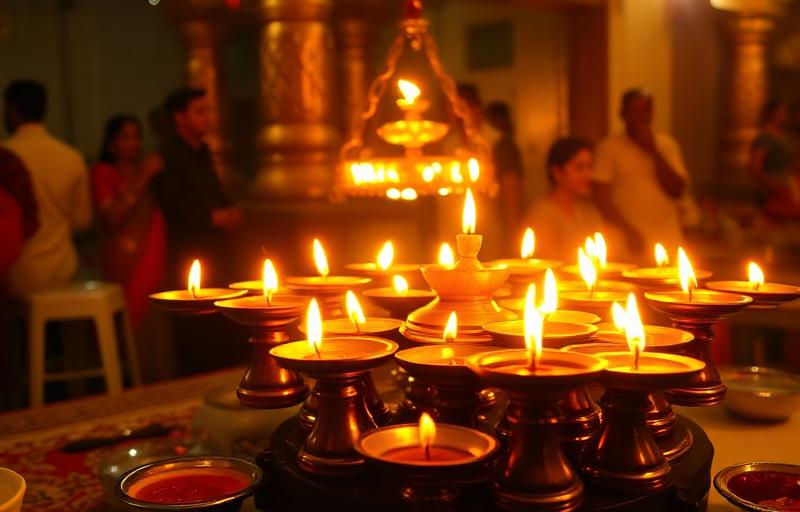
Sringverpur Dham today has a temple and ghat area on the Ganga, generally open through daylight hours for darshan and river worship. The site sees good numbers of visitors around Ram Navami and during the holy month of Kartik.
Sringverpur lies close to Prayagraj (Allahabad) in Uttar Pradesh, which has its own airport and is a major railway junction, making it the natural base for a visit. Local transport connects Prayagraj to the site.
A Prayer to Offer and the Takeaway
At Sringverpur, devotees often offer a simple prayer of gratitude while chanting Om Shri Ramaya Namah, remembering both Rama and the humble souls, Guha and the kevat, who served him with pure devotion.
The takeaway of Sringverpur is timeless: true bhakti does not ask about birth, wealth or status. Worship at such sites is an act of faith and love, not a transaction.
Quick Answers
Who was Nishad Raj Guha?+
Guha was the chief of the Nishad community at Sringverpur who welcomed Rama, Sita and Lakshmana with great love on the first night of their exile and later helped them cross the Ganga.
What is the katha of the kevat (boatman) at Sringverpur?+
The kevat, before ferrying Rama across the Ganga, is said to have insisted on washing his feet, out of a mix of faith and humour, and later refused any payment, asking only for Rama's blessing.
Where is Sringverpur located?+
Sringverpur is located on the banks of the Ganga near Prayagraj (Allahabad) in Uttar Pradesh.
About the author
Pandit Ravindra Sharma · Vedic Rituals & Bhakti, 22+ years
Pandit Ravindra is the Vandnaa editorial team's resident specialist on aarti, chalisa, and daily devotion. He has performed home and temple pujas across Varanasi and Delhi for over two decades and contributes the bhakti-focused articles on this site.
Meet the Vandnaa editorial team →