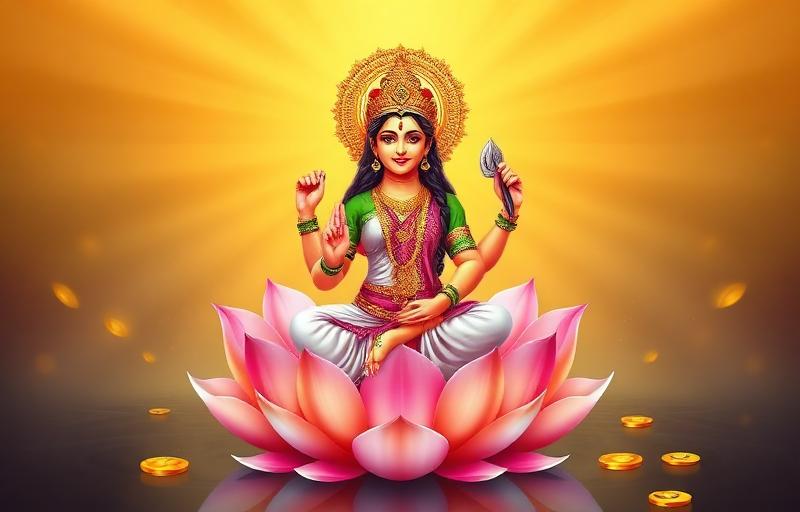
What is Suprabhatam? The Dawn Hymn Tradition
Suprabhatam (सुप्रभातम्) literally means 'good morning' or 'auspicious dawn' in Sanskrit. It is a category of devotional hymns sung at sunrise to 'awaken' the deity from sleep. Hindu temple deities are believed to sleep during the night (the moor is closed, with the deity 'resting'), and the Suprabhatam is the ceremonial wake-up call. The tradition assumes the deity is alive (after pran pratishtha) and has a natural day-night cycle - though obviously, the actual deity transcends sleep. The Suprabhatam is for the murti and for US - the devotees - to ceremonially start the day together. The most famous Suprabhatam is the Venkateswara Suprabhatam - composed by Prativadi Bhayankaram Annan (a 15th-century Sri Vaishnava saint), it's been sung daily at Tirumala-Tirupati for 600+ years. Each morning at 3-4 AM, before the official temple opening, this hymn is sung as the Lord Venkateswara is ceremonially awakened. The hymn is 29 verses long, takes about 30-40 minutes to sing in its traditional ragas. Modern recorded versions take 20-25 minutes. Other Suprabhatams exist for different deities: 1. Krishna Suprabhatam (especially popular in Mathura/Vrindavan temples). 2. Rama Suprabhatam (sung at Rama temples, Ayodhya). 3. Lakshmi Suprabhatam (for prosperity-focused worship). 4. Shiva Suprabhatam (Kashi Vishwanath, other Shaiva temples). 5. Devi Suprabhatam (various forms). 6. Hanuman Suprabhatam (Anjaneya, Tuesday mornings). Why playing/singing Suprabhatam matters: It's not just for the deity - it conditions YOUR morning. The Sanskrit melodies at sunrise frequency activate specific neural pathways linked to alertness, optimism, and devotion. Many devotees report dramatic mood improvements after 21 days of starting day with Suprabhatam (vs phone scrolling).
Venkateswara Suprabhatam - The Most Famous (Key Verses)
Opening verse: 'Kausalya Supraja Rama, Purva Sandhya Pravartate, Uttishtha Narashardula, Kartavyam Daivamaahnikam' - 'O Rama, son of Kausalya, the eastern dawn is breaking. Wake up, O best of men, your divine duties await.' This verse is unusual - it's addressed to Rama, not Venkateswara. Why? Because Venkateswara is Vishnu's form, and Rama is Vishnu's avatar. The first verse comes from the Valmiki Ramayana - Vishvamitra waking Rama in Mithila. Annan adapted it as the universal Vishnu wake-up call. Verse 2: 'Uttishthottishtha Govinda, Uttishtha Garudadhwaja, Uttishtha Kamalakanta, Trailokyam Mangalam Kuru' - 'Wake up, wake up Govinda, you whose flag bears Garuda, you who are the lover of Lakshmi (Kamala). Bring auspiciousness to all three worlds.' Verse 5 (especially beautiful): 'Tava Suprabhatam Aravinda Lochane, Bhavatu Prasanna Mukha Chandra Mandale, Vidhi Shamkara Surasura Sevite, Tava Suprabhatam Bhavatu Sada Iva' - 'May your awakening, O lotus-eyed one, be auspicious. May the moon-disc of your face be pleased. Brahma, Shiva, devas, and asuras all serve you. May your awakening be eternally auspicious.' Verse 11: 'Shri Lakshmi Niwasa Mama Garuda Vaha, Sankha Chakra Gada Pani Dvaraka Niwasa Hare' - 'O dweller of Lakshmi's lotus heart, O Garuda-rider, O conch-discus-mace bearer, O dweller of Dwaraka, O Hari.' Closing verse 29: 'Ittam Vrishachalapateh Iha Suprabhatam, Ye Manavah Pratidinam Pathitum Pravritah, Tair Lakshmi Yati Manasa Ramaniya Kanti, Sukshma Buddhir Indra Sukha Sampada Sukham Cha' - 'Whoever recites this Suprabhatam of the Lord of Hill (Tirumala) daily attains Lakshmi's beautiful presence, sharp intellect, the wealth and happiness of Indra.' This last verse is the PHALASHRUTI - declaring the benefits. The hymn's structure progresses from general wake-up to specific glorification of Venkateswara's qualities to final blessing. Even without understanding Sanskrit, the melody is hypnotically beautiful - it's been preserved by the Tirumala temple's gana parampara (oral musical lineage).
How to Make Suprabhatam Part of Your Morning
The 'M.S. Subbulakshmi' Tradition: The most famous recorded version of Venkateswara Suprabhatam was sung by legendary Carnatic singer M.S. Subbulakshmi in 1963. This recording is so universally loved that it plays in millions of Indian homes every morning. Listening to her version is itself a spiritual practice. Available free on YouTube, Spotify, JioSaavn. 3 ways to incorporate Suprabhatam into daily life: 1. Passive listening (easiest): Set Suprabhatam as your morning alarm OR auto-play 5:30-6:00 AM. Wake to the sound. As you get ready (bathing, drinking water), the hymn plays in the background. This is the entry-level practice. 2. Active listening with intent: Wake at sunrise, sit in front of your home altar, play the recording, and listen with full attention while doing your sunrise puja (lighting diya, offering flowers). 15-20 minute commitment. 3. Live chanting: Learn the Sanskrit (takes 6-12 months) and sing it yourself daily. This is the highest practice - your voice creates the sound that activates the deity. Many Sri Vaishnava and traditional Hindu homes have one family member who chants while others listen. Time recommendations by deity: Venkateswara Suprabhatam → 4:30-6 AM (matches Tirupati schedule). Lakshmi Suprabhatam → Friday 5-6 AM (Lakshmi's day). Krishna Suprabhatam → 4:30-5:30 AM, especially during Janmashtami. Rama Suprabhatam → Ramnavami month (Chaitra), daily 5 AM. Benefits experienced (after 21 days of consistent practice): 1. Naturally waking before alarm needed. 2. Better mood throughout day. 3. Reduced morning anxiety. 4. Stronger spiritual focus. 5. Family bonding (when family listens together). 6. Improved appreciation of Sanskrit and Hindu music. 7. Sense of starting the day 'right' instead of distracted by phone. For non-Hindi/Sanskrit listeners: Many YouTube versions have synced lyrics with English transliteration and meaning. Watching while listening for first month accelerates learning. After 2-3 months, you'll start noticing specific verses and their power.
7 Benefits + When NOT to Play
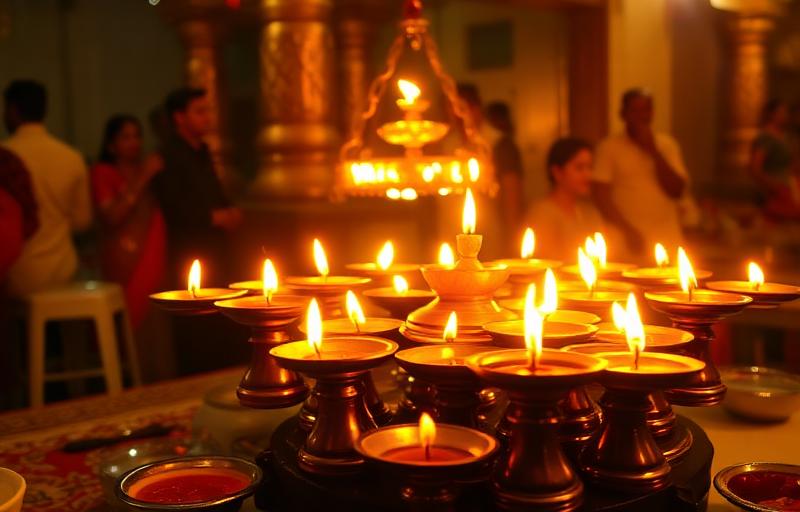
7 Documented benefits: 1. Forces sunrise wake-up - once you commit to playing/listening Suprabhatam, you naturally wake earlier. Most disciplined morning routines start here. 2. Cosmic timing alignment - your bio-rhythm syncs with the dawn cycle, the most sattvic time. Cortisol, melatonin, hormone cycles all benefit. 3. Positive subconscious priming - the first audio your brain processes in the morning shapes the day's mental tone. Suprabhatam = positive, devotional, calm starting tone. Phone scroll = chaotic, anxious. 4. Family ritual - when the household wakes to Suprabhatam, multiple family members naturally gravitate to the puja area. This shared experience strengthens family bonding without any forced 'family meetings'. 5. Cultural transmission to children - kids who grow up hearing Suprabhatam internalize Hindu identity, Sanskrit melodies, and devotion as DEFAULT - not as something forced upon them. 6. Tirupati's blessing without travel - listening to Tirumala's official daily Suprabhatam recording connects you to the actual temple energetically. Many devotees who can't visit Tirupati physically maintain the connection via daily Suprabhatam. 7. Improved appreciation for Carnatic music - Suprabhatam in M.S. Subbulakshmi's voice is universally acknowledged as one of the most beautiful pieces of music recorded. Listening daily develops your musical and spiritual sensitivity. When NOT to play Suprabhatam: 1. At night/evening - Suprabhatam is a DAWN hymn. Playing it at 8 PM or midnight is inappropriate (would be like ringing temple bell at 2 AM). 2. During mourning periods - for 13 days after a family death, avoid joyous music including Suprabhatam. Play softer, more solemn prayers instead. 3. Mixed with party/movie music - don't add Suprabhatam to a music shuffle that also plays Bollywood/pop. Keep it sacred. 4. As background while doing impure activities - eating non-veg, watching violent content, having arguments. The hymn's sacredness gets contaminated. The right way: Suprabhatam plays during your sacred morning - bathing, lighting diya, drinking sacred water, doing surya namaskar, having sattvic breakfast. The hymn is the SOUNDTRACK of your sacred dawn, not background noise for random activities.
Quick Answers
Is Suprabhatam only for Vishnu/Venkateswara devotees?+
No - every major deity has a Suprabhatam tradition. Choose based on your ishta devta. Shiva devotees: Kashi Vishwanath Suprabhatam. Devi devotees: Lalitha Suprabhatam. Krishna devotees: Krishna Suprabhatam. Hanuman devotees: Anjaneya Suprabhatam. The Venkateswara version is universally popular because Vishnu is widely worshipped, but it's not the only option. Pick the one that resonates with your deity.
Can I listen to Suprabhatam during travel?+
Yes - Suprabhatam during travel maintains your spiritual rhythm. Wear earphones, eyes closed for 5-10 minutes during flight/train rides. Combine with Anulom Vilom pranayama for added benefit. Many traveling executives swear by Tirupati Suprabhatam as a 'mental reset' during long business trips. The hymn doesn't lose effectiveness based on location - it's the consciousness alignment that matters.
What if my family doesn't want to wake to Suprabhatam?+
Personal practice. Use earphones in your room. After 30 days of YOUR practice, others may notice your improved mood and join voluntarily. Don't force; lead by example. Many transformations happen when one family member's personal practice gradually 'pulls' others. Even pets (dogs especially) calm down with Suprabhatam playing - entire households eventually shift to morning sacred music.
Is M.S. Subbulakshmi's version the only good one?+
Most popular and standard, but other excellent versions exist: 1. T.S. Ranganathan (traditional male voice). 2. Bombay Sisters (sisters duet). 3. Smt. Sudha Raghunathan (modern crisp version). 4. Tirumala Tirupati Devasthanams' official temple recording (most authentic). 5. Anuradha Paudwal (more devotional/bhajan style). Try 2-3 versions to find which voice resonates with you. M.S. Subbulakshmi's voice is divine and time-tested, but personal preference matters. Some prefer male voices, some prefer faster tempos.
About the author
Acharya Vinaya Kapoor · M.A. Sanskrit, Mantra & Stotra Studies
Acharya Vinaya holds an M.A. in Sanskrit from Banaras Hindu University and writes the mantra and stotra commentary on Vandnaa. Her focus is on accurate pronunciation, traditional context, and helping modern readers connect with classical texts.
Meet the Vandnaa editorial team →Explore on Vandnaa
Related Articles
Krishna Ashtottara Shatanamavali - Complete 108 Names of Krishna with Meaning & Benefits
12 min read

Best Morning Mantras for Positive Energy (सुबह के मंत्र)
8 min read

Brahma Muhurta - Exact Time, 7 Benefits & How to Wake Up Easily Every Day
10 min read

Gayatri Mantra Meaning, Benefits & How to Chant (गायत्री मंत्र)
12 min read
Govinda Damodara Stotram - Lyrics, Meaning & 7 Benefits of Krishna's Death-Mantra
9 min read