Who is Tanot Mata
Deep in the Thar desert, near Jaisalmer close to the India-Pakistan border, stands the Tanot Mata Temple, one of the most unique shrines in Rajasthan. Tanot Mata is worshipped as a form of the Mother Goddess, considered a manifestation connected to the Charan tradition of Devi worship, and shares deep devotional links with Hinglaj Mata, revered across western India and beyond.
What sets this temple apart is its remote desert setting and the deep faith the Border Security Force personnel stationed nearby have placed in the goddess for generations.
Katha and Tradition of Faith
According to tradition, this form of the goddess is linked to the lineage of Hinglaj Mata and is said to have been established here centuries ago by devotees of the Charan community who settled in this desert region. Devotees hold deep faith that the goddess has protected this land and its people through difficult times over the decades, including during conflicts in the region, when devotees believe her presence kept the temple and those who sought her shelter safe.
This is remembered by devotees purely as a story of faith and protection, not as a political history, a testament to how deeply the goddess is trusted here.
Significance for Soldiers and Travellers
For soldiers and travellers of the desert alike, Tanot Mata is seen as a guardian who watches over this remote and challenging land. Devotees visiting seek her protection, courage in difficult circumstances, and blessings for safe journeys across the desert.
The temple today is cared for by the Border Security Force alongside temple priests, a rare and moving example of devotion sustained jointly by soldiers and the local community.
Darshan Guide
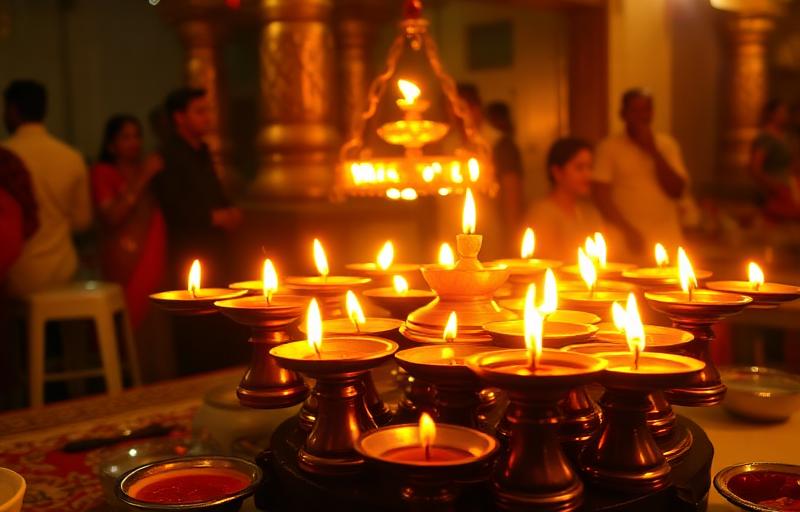
The temple maintains a simple, disciplined rhythm of aarti and darshan through the day, reflecting the orderly presence of the BSF who help maintain it. A small museum near the temple lets visitors learn about the region's desert heritage and the devotion associated with the shrine.
Many travellers combine their visit with the nearby Longewala area and the annual Desert Festival season in Jaisalmer, when tourist footfall to the region is at its highest.
How to Reach Tanot Mata Temple
Tanot Mata Temple is located about 120 kilometres from Jaisalmer city, in a remote stretch of the Thar desert near the international border. The nearest railway station and airport are both at Jaisalmer, from where the temple is reached by road through desert terrain.
Since this is a border area, travellers are advised to plan the visit as a day trip from Jaisalmer, carrying sufficient water and starting early to avoid the desert heat.
Mantra to Chant and the Takeaway
Devotees offer this simple prayer at Tanot Mata's feet:
"Jai Tanot Mata, sarhad ki rakshak, marubhoomi ki jyoti" Meaning: "Victory to Mother Tanot, protector of the border, light of the desert land."
The faith surrounding this temple, shared equally by soldiers and pilgrims, reminds devotees that the Divine Mother's protection extends to every corner of the land, however remote. Worship here is an act of faith and love, not a transaction, carried quietly across the sands.
Frequently Asked Questions
Why is Tanot Mata Temple significant for soldiers?+
The temple is cared for jointly by the Border Security Force and temple priests, and generations of soldiers stationed in this remote desert region have held deep faith in the goddess's protection.
Is Tanot Mata connected to Hinglaj Mata?+
Yes, devotees consider this form of the goddess deeply linked to the Hinglaj Mata tradition of Devi worship revered across western India.
How far is Tanot Mata Temple from Jaisalmer?+
It is located about 120 kilometres from Jaisalmer city, reached by road through the Thar desert.
About the author
Pandit Ravindra Sharma · Vedic Rituals & Bhakti, 22+ years
Pandit Ravindra is the Vandnaa editorial team's resident specialist on aarti, chalisa, and daily devotion. He has performed home and temple pujas across Varanasi and Delhi for over two decades and contributes the bhakti-focused articles on this site.
Meet the Vandnaa editorial team →