A City Named for Anantha
Thiruvananthapuram, the capital of Kerala, carries a name that is itself a declaration of faith. It means the sacred city of Anantha, referring to Ananta Shesha, the great serpent upon whom Lord Vishnu is described as reclining in Puranic tradition. Few Indian cities wear their devotional identity so plainly in their own name.
At the heart of this identity stands the Sree Padmanabhaswamy Temple, dedicated to Vishnu in his reclining form as Anantha Padmanabha, around which the historic core of the city grew over the centuries.
Anantha Padmanabha: The Deity Behind the City's Name
Puranic tradition describes Vishnu reclining upon Ananta Shesha amid the cosmic ocean, with a lotus rising from his navel bearing Brahma, the beginning of creation itself. This form, Padmanabha, meaning one from whose navel the lotus emerges, gives the deity and the city their shared name.
According to tradition, the erstwhile rulers of Travancore regarded themselves as servants of this deity, governing the kingdom on his behalf rather than in their own right, a relationship that shaped the region's civic and religious life for generations.
Why the City's Temple Identity Still Matters
Thiruvananthapuram's old quarters still carry the imprint of this temple-centred history, and that imprint continues to shape how devotees and residents experience the city.
- The historic Fort area grew directly around the Padmanabhaswamy Temple and remains its spiritual core
- Several smaller shrines within the old city, dedicated to deities including Ganesha and Varaha, form part of the same sacred landscape
- The temple's architecture blends Kerala's sloping-roof style with Dravidian gopuram influences
- The city's temple festivals continue to draw devotees from across Kerala and beyond
Temple Life in the Fort Area
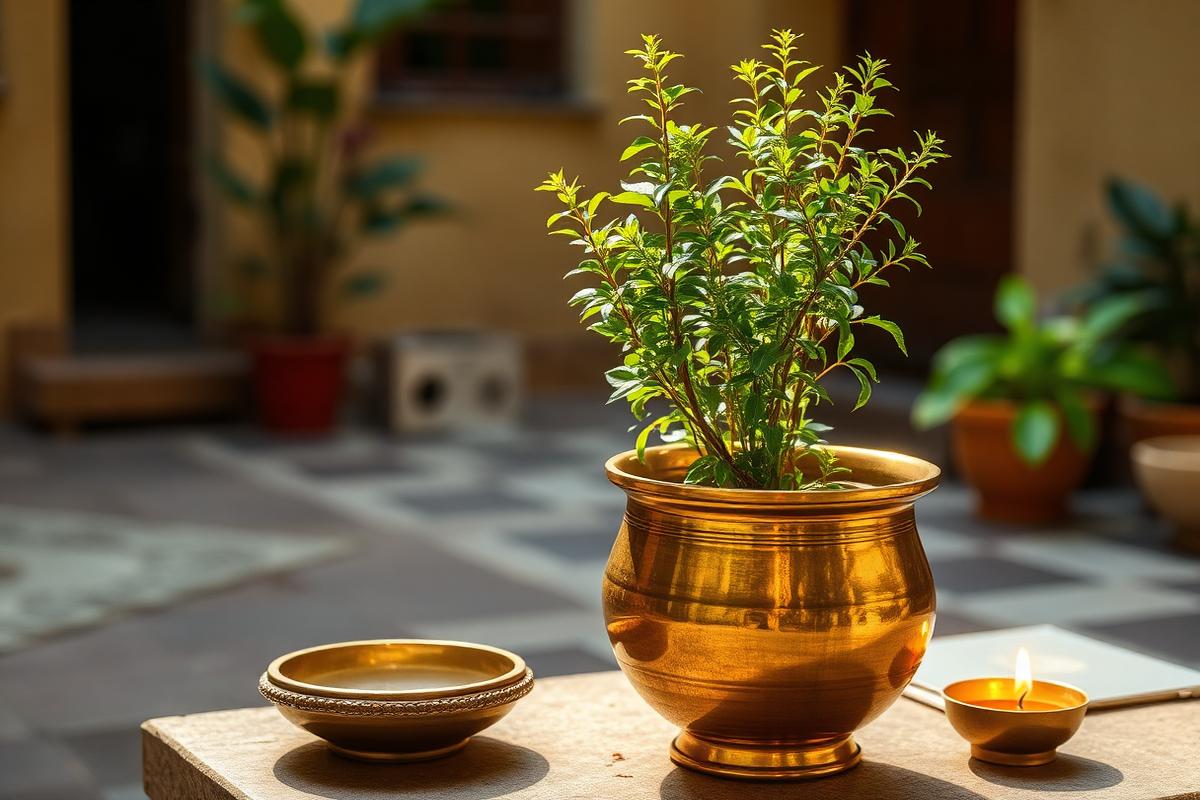
The rhythm of daily life in the old Fort area of Thiruvananthapuram still follows temple time in many ways, with mornings marked by the sound of temple bells and devotees moving between the Padmanabhaswamy Temple and the smaller shrines nearby.
Devotees visiting this part of the city often observe the traditional customs of dress and conduct expected at Kerala's older temples, a reminder that this quarter of the capital remains, at heart, sacred ground rather than simply a historic district.
How to Reach Thiruvananthapuram
As the capital of Kerala, Thiruvananthapuram is well connected to the rest of India. Trivandrum International Airport serves the city directly, Thiruvananthapuram Central is a major railway station, and the city is linked by highway to the rest of Kerala and neighbouring Tamil Nadu.
A Simple Prayer and the Takeaway
Devotees often chant Om Namo Narayanaya, the simple invocation to Vishnu, when seeking Anantha Padmanabha's blessing in this city that carries his name.
Thiruvananthapuram reminds devotees that a city can be built quite literally on an act of surrender, with rulers and residents alike understanding themselves as servants of something greater. Reverence for this history is an act of faith, not a transaction.
Reader Questions Answered
Why is Thiruvananthapuram called the city of Anantha?+
The city's name means the sacred city of Anantha, referring to Ananta Shesha, the serpent on which Vishnu reclines in his form worshipped at the Padmanabhaswamy Temple.
What does the name Padmanabha mean?+
Padmanabha means one from whose navel a lotus emerges, referring to the Puranic image of Brahma seated on a lotus rising from Vishnu's navel at the dawn of creation.
Is Thiruvananthapuram associated with any particular royal history?+
Yes, tradition holds that the rulers of the erstwhile Travancore kingdom considered themselves servants of Anantha Padmanabha, governing on the deity's behalf rather than their own.
About the author
Pandit Ravindra Sharma · Vedic Rituals & Bhakti, 22+ years
Pandit Ravindra is the Vandnaa editorial team's resident specialist on aarti, chalisa, and daily devotion. He has performed home and temple pujas across Varanasi and Delhi for over two decades and contributes the bhakti-focused articles on this site.
Meet the Vandnaa editorial team →