Who is Lord Venkateswara?
Atop the seven hills of Tirumala in Andhra Pradesh stands the temple of Lord Venkateswara, a form of Lord Vishnu, believed by devotees to be ever present in this age to answer the prayers of those who seek him with sincerity. He is also known by the names Balaji and Srinivasa across different regions of India.
The temple is considered one of the most visited pilgrimage sites in the world, yet devotees emphasize that its true wealth lies in the faith of the millions who climb these hills each year, many on foot, to stand before the Lord.
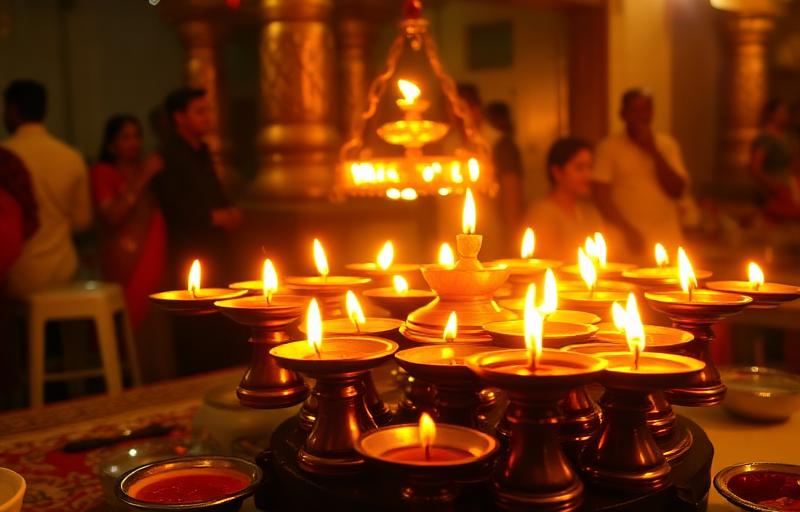
The deity is adorned daily in resplendent silks and ornaments, and the sanctum is lit by lamps whose gentle glow devotees say brings a deep sense of peace the moment one steps before the Lord.
The Katha of Srinivasa Kalyanam
A cherished legend tells of Lord Vishnu descending to earth as Srinivasa to marry Padmavati, considered a form of Goddess Lakshmi. To fund the grand wedding, the Lord is said to have taken a substantial loan from Kubera, the celestial treasurer.
Devotees believe that this loan remains, in a spiritual sense, still being repaid, and that offerings placed in the temple's hundi, or donation box, are part of this ongoing act of devotion, helping the Lord fulfil his promise. Whether taken literally or as a metaphor for boundless generosity, the story reflects the deep, personal relationship devotees feel with Venkateswara, one built on love, trust and gratitude rather than distant reverence.
The Hair-Offering Tradition
One of the most distinctive sights at Tirumala is the Kalyanakatta, the tonsuring halls where devotees offer their hair to the Lord as a mark of surrender and gratitude. Men, women and children alike participate in this tradition, letting go of a part of their physical vanity as an offering of humility.
Devotees believe this act, called mundan in common parlance, represents giving up ego and pride at the feet of the Lord, receiving his blessings in return. The temple has well organized facilities to support this tradition, given the sheer number of devotees who choose to observe it during their pilgrimage.
Darshan Guide: Sevas and Timings
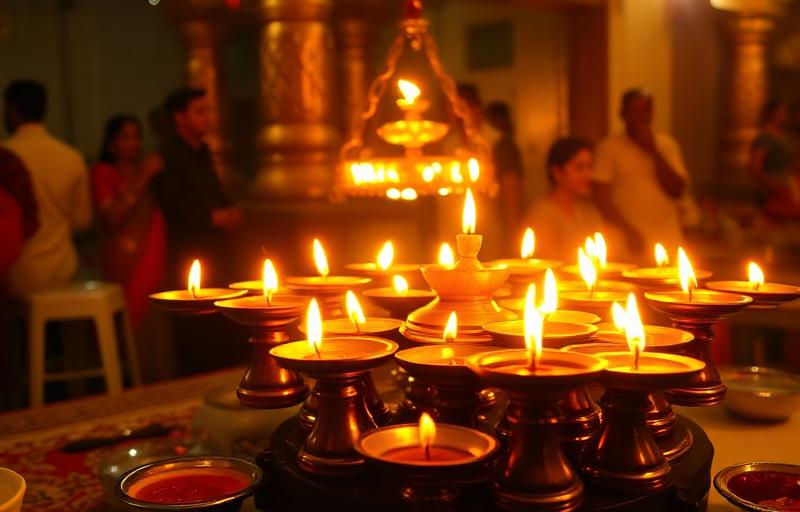
Tirumala offers several ways for devotees to have darshan, and planning ahead is strongly recommended given the volume of pilgrims.
- Sarvadarshan is the free, general queue line open to all devotees, though waiting times can be long, especially on weekends and festival days
- Special Entry Darshan is a paid ticketed option that generally offers a quicker route to the sanctum
- Various sevas, such as the pre-dawn Suprabhata Seva, can often be booked in advance through the temple trust's official channels
- Devotees are advised to check the temple trust's current guidelines for accommodation, token systems and darshan slots before travelling, as procedures are periodically updated
- Modest, traditional attire is expected inside the temple
How to Reach Tirumala
The base town of Tirupati is well connected by rail and air, with the Tirupati Railway Station linking it to major cities across India, and Tirupati Airport offering regular flights.
From Tirupati, devotees travel up the hill to Tirumala either by road, using regular bus services or private taxis, or by undertaking the traditional foot pilgrimage along the hill paths, a journey many devotees choose as an act of devotion in itself.
Accommodation on the hill is managed by the temple trust, and advance planning is recommended, particularly during peak pilgrimage seasons.
Mantra to Chant and a Devotee's Takeaway
Devotees chant 'Om Namo Venkatesaya', meaning 'salutations to the Lord of Venkata hill', as they climb toward the temple or stand in the darshan queue.
The pilgrimage to Tirumala, with its long queues, tonsured heads and quiet exhaustion, is for many devotees less about convenience and more about surrender. It is a reminder that devotion often asks for patience and humility before it offers its rewards, and that a visit to the Lord of the Seven Hills is an act of faith and love, not a transaction.
Common Questions From Devotees
What is the difference between Sarvadarshan and Special Entry Darshan?+
Sarvadarshan is the free general darshan queue open to all devotees, while Special Entry Darshan is a paid ticketed option that typically offers a faster route to the sanctum, especially useful during crowded periods.
Why do devotees offer their hair at Tirumala?+
Offering hair at the Kalyanakatta is a tradition of surrender and humility, where devotees let go of physical vanity as an act of gratitude and devotion to Lord Venkateswara.
How do devotees reach Tirumala from Tirupati?+
Devotees can travel from Tirupati to Tirumala by road using buses or taxis, or undertake the traditional foot pilgrimage along the hill paths as an act of devotion.
About the author
Pandit Ravindra Sharma · Vedic Rituals & Bhakti, 22+ years
Pandit Ravindra is the Vandnaa editorial team's resident specialist on aarti, chalisa, and daily devotion. He has performed home and temple pujas across Varanasi and Delhi for over two decades and contributes the bhakti-focused articles on this site.
Meet the Vandnaa editorial team →