What Is a Toran?
A toran (bandanwar) is a decorative string of leaves and flowers hung across the top of the main door or entrance. The most traditional toran is made of fresh mango leaves, sometimes tied with marigold flowers, and it appears on festivals like Diwali, Navratri, Gudi Padwa, weddings, Griha Pravesh and other auspicious occasions.
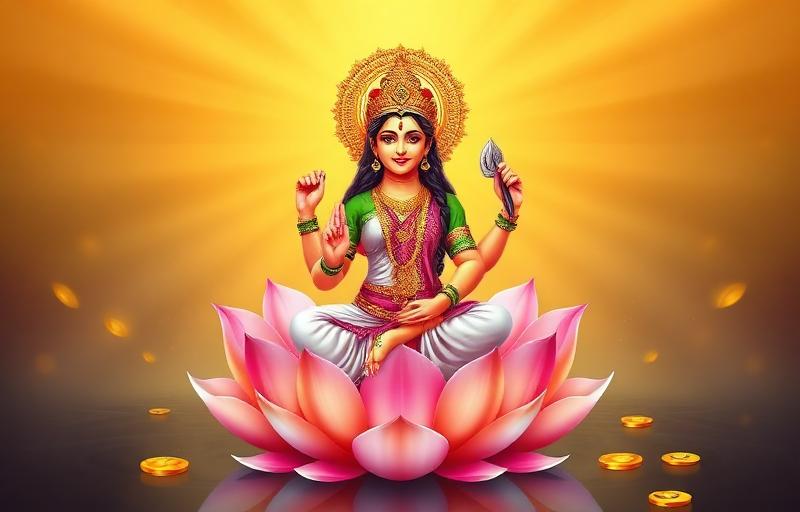
Far more than decoration, the toran is a mark of welcome and auspiciousness. It is hung to greet Goddess Lakshmi and good fortune at the threshold, to invite positive energy into the home, and to announce that something sacred and joyful is taking place within.
Significance of the Mango-Leaf Toran
- Welcoming Lakshmi: The toran is hung to welcome Goddess Lakshmi and prosperity at the doorway, so they enter and stay in the home.
- Auspicious mango leaves: Mango leaves are considered highly auspicious in Hindu tradition - they appear on the sacred kalash and in many rituals, symbolising fertility, growth and good fortune.
- A barrier to negativity: The toran at the threshold is believed to stop negative energy from entering, letting only positive vibrations cross into the home.
- A mark of celebration: A fresh toran signals that the home is in a festive, sacred mood and is ready to receive guests, deities and blessings.
- Practical wisdom: Green leaves are also said to keep the air around the entrance fresh, a small natural welcome at the door.
When the Toran Is Hung
A mango-leaf or flower toran is hung on auspicious days and occasions, including:
- Diwali and Dhanteras: To welcome Goddess Lakshmi into the home.
- Navratri and Dussehra: During the worship of the Devi.
- Gudi Padwa, Ugadi and other New Year days: As a sign of a fresh, auspicious beginning.
- Griha Pravesh: When entering a new home, to invite blessings and ward off negativity.
- Weddings and other shubh sanskars: As a sign of celebration and welcome.
- Pujas and havans at home: To mark the sacred occasion at the entrance.
A fresh toran is put up in the morning of the occasion, after cleaning the doorway. Many also draw a rangoli below and place auspicious symbols like Swastik or Shubh-Labh beside the door.
How to Make and Put Up a Toran
- Choose fresh leaves: Use fresh, unblemished mango leaves; an odd number such as 5, 7 or 11 leaves is often preferred for one strand, with several strands across the door.
- String them: Thread the leaves on a strong cotton thread, tip downward, sometimes alternating with marigold flowers, and tie a small bunch or a coconut, lemon or chilli at the centre or ends as some traditions hold.
- Position: Hang the toran across the top of the main entrance, on the outer side of the door, fixed firmly at both ends.
- Timing: Put it up in the morning of the occasion after cleaning the threshold; many add a rangoli below it.
- Care: Replace it when the leaves dry, especially during longer festivals. Dispose of the dried leaves respectfully, in a clean spot or with the garden, not in ordinary rubbish.
Frequently Asked Questions
Why is a mango-leaf toran hung on the door?+
The toran is hung to welcome Goddess Lakshmi and prosperity at the threshold, to invite positive energy and block negativity from entering, and to mark the home as festive and auspicious. Mango leaves are considered especially sacred and auspicious in Hindu tradition.
On which occasions is a toran put up?+
A toran is hung on Diwali, Dhanteras, Navratri, Dussehra, Gudi Padwa and other New Year days, Griha Pravesh, weddings, and during pujas and havans at home - any auspicious occasion when the home welcomes blessings and guests.
Why are mango leaves used in the toran?+
Mango leaves are considered highly auspicious in Hindu tradition, symbolising fertility, growth and good fortune. They appear on the sacred kalash and in many rituals, so they are the natural choice for a welcoming, auspicious toran at the door.
How should a dried toran be removed?+
Replace the toran when the leaves dry, especially during longer festivals. Since the leaves were used in a sacred way, dispose of them respectfully - in a clean spot, with the garden or a plant, rather than in ordinary rubbish.
About the author
Pandit Mahesh Trivedi · Festival Traditions & Panchang
Pandit Mahesh leads the festival-date and Panchang content on Vandnaa. He cross-references multiple regional panchangs (Drik, Vaishnava, Bengali, Marathi) for every festival date published on the site.
Meet the Vandnaa editorial team →