A Temple Built From Devotion to a Saint's Work
Not far from Durga Kund and Sankat Mochan Hanuman Temple stands the Tulsi Manas Mandir, a striking white marble temple dedicated to Lord Rama and to the saint-poet Goswami Tulsidas, who gave the world the Ramcharitmanas. The temple is believed to stand at or near the place where Tulsidas lived during his years in Kashi.
What makes this temple truly distinctive is not a deity alone, but its walls, engraved from floor to ceiling with the chaupais, or verses, of the Ramcharitmanas itself, turning the entire structure into a shrine to both Rama and to the devotion that gave his story its most beloved retelling.
Goswami Tulsidas and His Life in Kashi
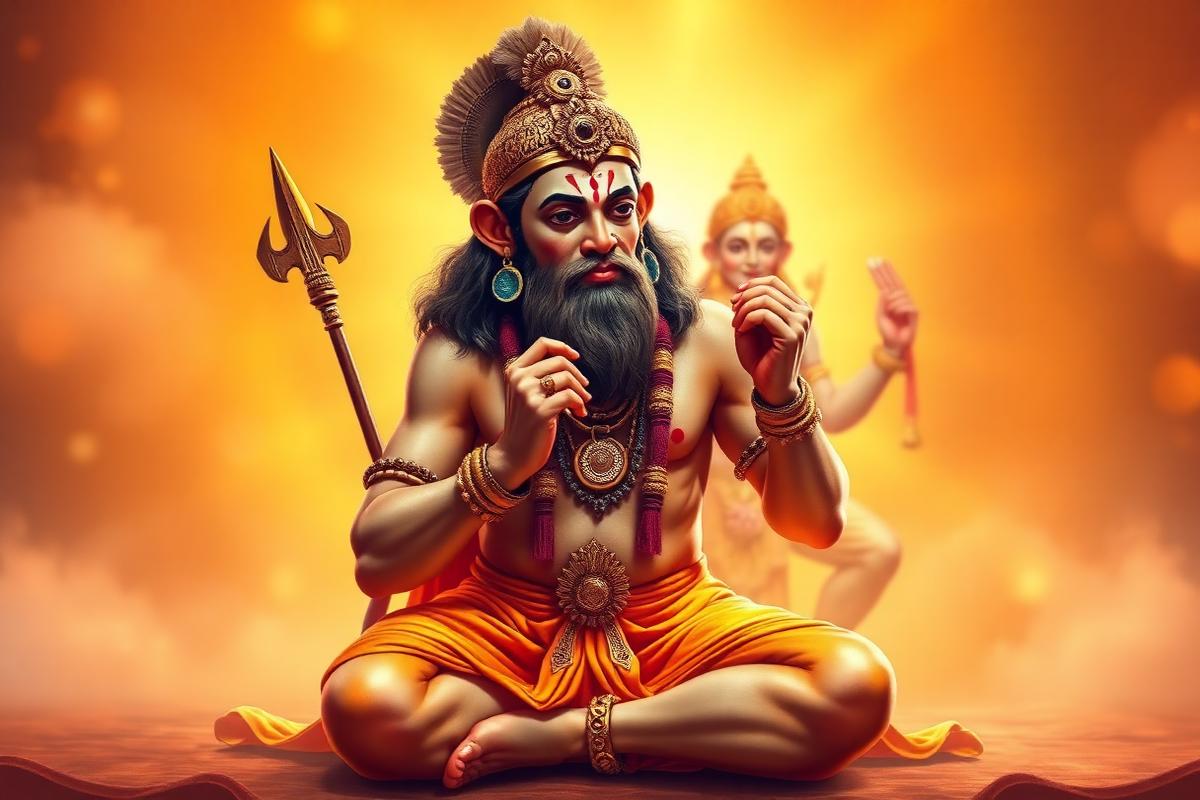
Tulsidas is remembered as one of the most beloved devotees of Rama in all of Hindu tradition, a poet whose Awadhi retelling of the Ramayana brought the story of Rama into the hearts and homes of ordinary people in a way that classical Sanskrit texts had not always reached. He spent a significant part of his life in Kashi, immersed in devotion and writing.
Tradition holds that much of the Ramcharitmanas took shape during his years in this sacred city, making Kashi not just a place he lived, but a place that shaped one of the most cherished devotional texts in Hindu life.
Why the Temple's Walls Matter So Much
For devotees, walking through Tulsi Manas Mandir is unlike a typical temple visit, since the experience is also one of reading, remembering and reciting. Many visitors pause before their favourite chaupai engraved on the walls, quietly reading verses that generations of Hindu households have grown up reciting.
- The temple honours the idea that scripture itself can be a form of the divine, worthy of a shrine
- It celebrates bhakti, devotional surrender, as a path open to everyone regardless of learning or status, the very spirit Tulsidas wrote for
- The engraved verses make the temple a place of quiet study as much as worship
- Its proximity to Durga Kund and Sankat Mochan allows devotees to weave a single afternoon of darshan across all three
Darshan Guide and a Beloved Feature

The temple maintains a peaceful, welcoming atmosphere through the day, drawing a steady stream of devotees and visitors rather than sharp crowd peaks, making it a comfortable stop at almost any hour. Ramnavami, the birth celebration of Lord Rama, is observed here with special devotion.
The temple has also long been known for mechanised dioramas on an upper floor, moving figures that bring scenes from Rama's life to gentle motion, a feature that has delighted generations of visiting families and made the temple a memorable stop for children as much as elders.
How to Reach Tulsi Manas Mandir
The temple is located in the southern part of Varanasi, near Durga Kund Temple, making it easy to combine with visits to Sankat Mochan Hanuman Temple in the same area. Auto-rickshaws and cycle rickshaws are widely available for the short journey from most parts of the city.
Varanasi Junction, Varanasi Cantt railway station and Lal Bahadur Shastri International Airport connect the city to the rest of India, with local transport easily covering the distance to this southern cluster of temples.
A Verse to Remember and the Takeaway
Among the many verses engraved here, one invocation often recited by devotees begins:
Shri Ramachandra kripalu bhajamana, harana bhava bhaya darunam (I worship the compassionate Shri Ramachandra, the remover of the deepest fears of worldly existence)
This line, though only a fragment of the Ramcharitmanas, carries the same devotional spirit that fills the entire temple.
Tulsi Manas Mandir is, at its heart, a tribute to what one devotee's love for Rama can leave behind for the world. Worship here is an act of faith and love, not a transaction, a quiet reminder that words written in devotion can become a place of pilgrimage in their own right.
Common Questions From Devotees
Why is Tulsi Manas Mandir dedicated to a text rather than only a deity?+
The temple honours both Lord Rama and Goswami Tulsidas's devotional masterpiece, the Ramcharitmanas, whose verses are engraved on its walls, reflecting the belief that sincere devotional scripture is itself worthy of reverence.
What is the connection between Tulsidas and Kashi?+
Tulsidas spent a significant part of his life in Kashi, and tradition holds that much of the Ramcharitmanas took shape during his years in this sacred city, making the temple a tribute to that period of his life.
What is the mechanised diorama feature at Tulsi Manas Mandir known for?+
The temple's upper floor is known for moving figures that depict scenes from Rama's life, a feature that has long delighted visiting families and made the temple especially memorable for children.
About the author
Pandit Ravindra Sharma · Vedic Rituals & Bhakti, 22+ years
Pandit Ravindra is the Vandnaa editorial team's resident specialist on aarti, chalisa, and daily devotion. He has performed home and temple pujas across Varanasi and Delhi for over two decades and contributes the bhakti-focused articles on this site.
Meet the Vandnaa editorial team →