Why Tulsi Vivah Officially Begins Hindu Wedding Season
For four months every year, Lord Vishnu goes into a cosmic sleep. This period - from Devshayani Ekadashi (June/July) to Dev Uthani Ekadashi (October/November) - is called Chaturmas, 'the four months of Vishnu's rest.'
During Chaturmas, NO auspicious Hindu ritual can happen. No marriage. No grih pravesh. No mundan. No major puja. Vishnu is sleeping, and without his blessing, no ritual has full effect.
Then comes the day Vishnu wakes up - Dev Uthani Ekadashi. And two days after, something even more special happens: Tulsi Vivah - the sacred marriage of Tulsi to Vishnu.
Once this marriage is performed, Vishnu is 'officially married' again, and all auspicious rituals - especially weddings - can begin. This is why Hindu wedding season in India officially starts on Tulsi Vivah day.
Tulsi Vivah 2026 falls on Monday, 23 November 2026 - Kartik Shukla Dwadashi.
- Dwadashi Tithi Begins: 11:05 PM, 22 November 2026
- Dwadashi Tithi Ends: 8:51 PM, 23 November 2026
- Best Puja Muhurat: 5:18 PM – 7:45 PM (23 November) - Pradosh Kaal
- Alternative Muhurat: 10:27 AM – 12:48 PM
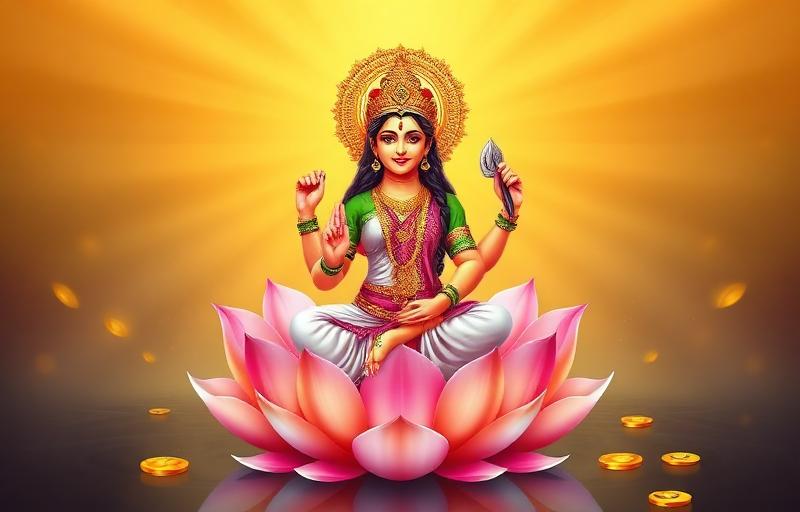
Tulsi (also called Vrinda Devi) is an incarnation of Mahalakshmi. Shaligram is the stone form of Vishnu found in the Gandaki river in Nepal. On Tulsi Vivah, a Tulsi plant is symbolically married to a Shaligram stone with full Hindu wedding rituals - mehendi, haldi, baraat, mangalphere, sindoor.
The belief: whoever arranges this marriage earns the punya equal to getting their own daughter married. Families without daughters perform Tulsi Vivah every year as Kanyadan punya.
In this guide: the Vrinda-Jalandhar katha (why Tulsi became a plant), step-by-step wedding vidhi, mantras, and why skipping this puja is considered a major vrat-bhang.
🙏 Daily Tulsi puja reminder + Vishnu mantras in the Vandnaa App - free.
The Vrinda-Jalandhar Katha - Why Tulsi Became a Plant
This katha must be read on Tulsi Vivah. Every Hindu married woman should know it.
In ancient times lived Vrinda - a princess of extraordinary beauty and even more extraordinary devotion to Vishnu. Her pativrata (loyalty to her husband) was considered the greatest in the universe.
She was married to Jalandhar - a demon born from Shiva's third-eye fire. Jalandhar was powerful beyond measure because of one reason: Vrinda's pativrata was so strong that no weapon could kill him as long as she remained faithful. This made Jalandhar invincible.
Jalandhar used this invincibility to become arrogant. He attacked the devas, won every battle, and even dared to challenge Shiva himself. He coveted Parvati, Shiva's wife. He sent a message demanding Parvati surrender to him.
The devas went to Vishnu: 'Unless Vrinda's pativrata breaks, Jalandhar cannot die. The world will be destroyed.'
Vishnu agreed - with a heavy heart.
Vishnu took the form of Jalandhar (using his maya power) and went to Vrinda. She, thinking it was her husband, served him with devotion and touched his feet (breaking her pativrata at that moment, unknowingly).
At that exact moment, Shiva killed the real Jalandhar on the battlefield.
When Vrinda realised she had been deceived and the cost was her husband's life, she was heartbroken - but not angry. She understood: her pativrata had been used for a demon's evil, and Vishnu had to end it for dharma.
But she couldn't remain human. She told Vishnu: 'I will end my life. And since you deceived me, I curse you - you will become a stone. Unfeeling. You, the god of feelings, will become a cold stone.'
She walked into fire and ended her life. Vishnu, holding her ashes, wept.
From her ashes grew the Tulsi plant. And Vishnu accepted her curse - he took the form of the Shaligram stone (found today only in the Gandaki river of Nepal).
Vishnu promised: 'Vrinda, your name will be Tulsi. Without a single leaf of yours, no puja of mine is complete. Without your blessing, no Vishnu bhakta is saved. And every year, on Kartik Dwadashi, I will formally marry you as Shaligram - so your devotion gets its due.'
This is why:
- Every Vishnu puja REQUIRES a tulsi leaf
- Tulsi is found in every Hindu home as goddess, not as plant
- A dying Hindu is given a tulsi leaf on the tongue - it opens Vishnu's door
- And every Kartik Dwadashi, Tulsi is married to Shaligram in Hindu homes
This is why, while Tulsi is a plant, Hindu tradition treats her as Lakshmi herself. She is worshipped, watered with Gangajal, and on Tulsi Vivah, married with wedding pomp.
Tulsi Vivah Step-by-Step Puja Vidhi at Home
Preparation Day (22 November - evening): Decorate the Tulsi plant. Drape a small red/pink chunni like a bride's veil. Apply haldi-chandan-kumkum to the Tulsi stem. Apply mehendi on your own hands as you would for any family wedding. Keep samagri ready for next day's puja.
Samagri List:
- Tulsi plant in its pot (cleaned, freshly watered, decorated)
- Shaligram stone OR Vishnu idol/photo
- Red bridal outfit for Tulsi (chunni + bangles + small bindis)
- Mangalsutra (small)
- Haldi, kumkum, chandan, akshat, turmeric, coconut, betel, supari
- Red flowers (especially hibiscus or rose), durva
- Gangajal, panchamrit, milk
- Ghee diya, agarbatti (sandalwood)
- Red cloth for chowki, white cloth for vedi
- Mandap - make a small canopy with sugarcane stalks over the Tulsi pot
- Rice, gud, til for ahuti (offerings into fire)
- Musical instrument (small bell / shankh)
- Sweets (especially laddoos, ghewar), fruits, kheer
PUJA DAY (23 November):
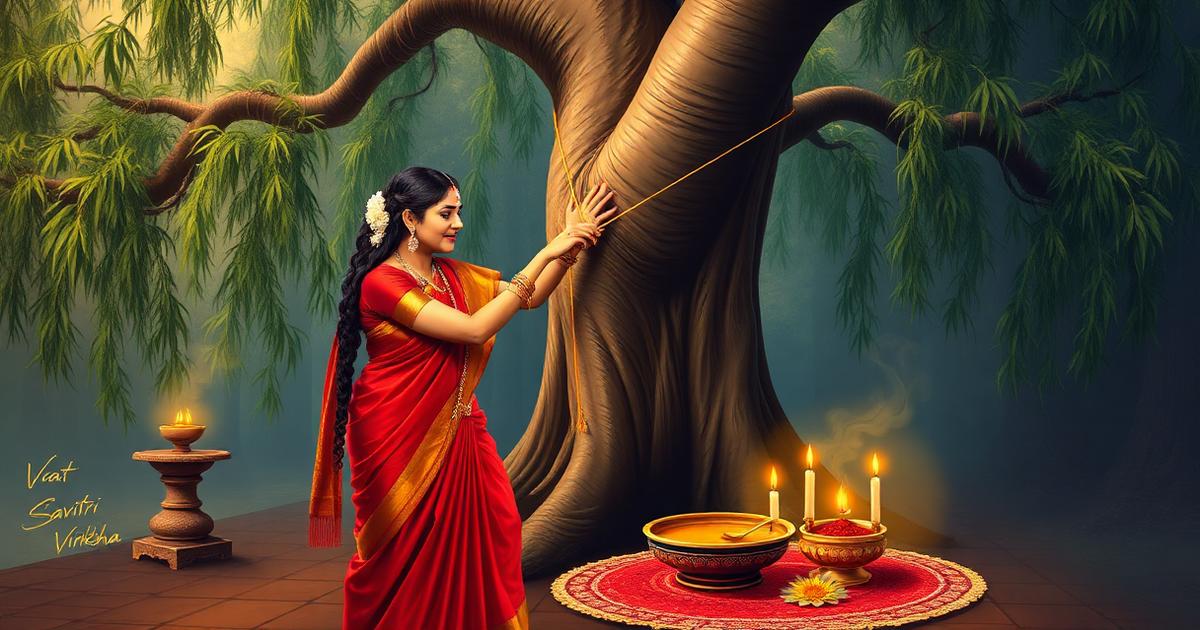
Step 1 (morning): Clean home and Tulsi's corner thoroughly. Draw rangoli around the Tulsi pot. Fresh water with Gangajal drops. Build a small sugarcane mandap over the pot with 4 sugarcane stalks joined at top.
Step 2 (afternoon): Place Shaligram/Vishnu idol on a separate small chowki near Tulsi. Draw a line of rice/flour between them as the sacred boundary.
Step 3 (Pradosh Kaal - 5:18 PM): Light the ghee diya. Apply haldi-chandan-roli to both Tulsi and Shaligram. Offer fresh flowers. Light incense.
Step 4 (Sankalp): Family gathers. Eldest member (usually mother or mother-in-law) takes sankalp: 'On this Kartik Dwadashi, we perform the sacred vivah of Tulsi Devi and Lord Shaligram-Vishnu - as parents of the bride - and seek blessings for our family's prosperity, dharma, and moksha.'
Step 5 (Mangalphere - symbolic wedding): Take a small image of Vishnu (or the Shaligram stone) and circumambulate around Tulsi 7 times while the family chants: 'मंगलम् भगवान विष्णुः, मंगलम् गरुड़ध्वजः। मंगलम् पुण्डरीकाक्षः, मंगलायतनो हरिः॥'
Step 6 (Sindoor & Mangalsutra): Apply kumkum to Tulsi's stem at the base of the plant (symbolic sindoor). Tie a small mangalsutra around the Tulsi.
Step 7 (Kanya Daan): Pour a small spoon of water over the joined images of Tulsi and Shaligram - this symbolises kanyadan. Chant: 'ॐ तुलस्यै नमः। ॐ शालिग्रामाय नमः॥' Offer them a small mala of flowers as if putting on a wedding garland.
Step 8 (Aarti): Perform Lakshmi-Vishnu aarti and Tulsi aarti: 'महाप्रसाद जननी सर्व सौभाग्यवर्धिनी। आधि व्याधि हरा नित्यं तुलसी त्वं नमोऽस्तुते॥'
Step 9 (Bhog): Offer all the naivedya - especially kheer, laddoos, and fruits. Distribute prasad to family and neighbours.
Step 10 (Bidaai): The next morning (24 November), perform a simple bidaai (farewell) puja - thank Tulsi and Vishnu for accepting the vivah, and pray for an auspicious wedding season and good marriage for unmarried members of the family.
Benefits of performing Tulsi Vivah:
- Unmarried children get proposed quickly
- Couples with marital friction find harmony
- Lakshmi enters the home
- The punya of kanyadan accumulates for families without daughters
- Chaturmas vratas that were pending get formally concluded
Tulsi Vivah Mantras, Stotras & Prayers: The Complete Chanting Guide

These mantras are chanted during different stages of Tulsi Vivah. Learning even a few of them transforms the puja from ritual to devotion.
1. Tulsi Stavan (Opening Prayer): महाप्रसाद जननी सर्व सौभाग्यवर्धिनी। आधि व्याधि हरा नित्यं तुलसी त्वं नमोऽस्तुते॥
Meaning: O Tulsi! You are the mother of mahaprasad, the enhancer of all good fortune. You remove suffering and disease - we bow to you forever.
2. Tulsi Vivah Sankalp Mantra: ॐ विष्णवे नमः। तुलसी-शालिग्राम विवाहं अहं करिष्ये। श्री विष्णु-तुलसी प्रीत्यर्थं सपरिवारस्य सौख्य-सम्पद-मोक्ष-प्राप्त्यर्थं।
Meaning: O Vishnu, I now perform the marriage of Tulsi and Shaligram, for the happiness, prosperity, and liberation of my family.
3. Mangalphere Mantra (during 7 circumambulations): मंगलम् भगवान विष्णुः, मंगलम् गरुड़ध्वजः। मंगलम् पुण्डरीकाक्षः, मंगलायतनो हरिः॥
Meaning: Auspicious is Lord Vishnu, auspicious is he who has Garuda as his flag. Auspicious is the lotus-eyed one - Hari is the very abode of auspiciousness.
4. Kanyadan Mantra: ॐ तुलस्यै विद्महे, विष्णुप्रियायै धीमहि। तन्नो वृंदा प्रचोदयात्॥
This is the Tulsi Gayatri - chant it while pouring water for kanyadan. Meaning: We meditate on Tulsi, the beloved of Vishnu. May Vrinda Devi inspire our intellect.
5. Sindoor / Mangalsutra Mantra: ॐ श्री महालक्ष्म्यै नमः। सिंदूरं समर्पयामि। While applying kumkum to Tulsi's stem.
6. Daily Tulsi Puja Mantra (year-round): तुलसी श्री सखी देवि पापहारिणि पुण्यदे। नमस्ते नारदनुते नारायणमनःप्रिये॥
Meaning: O Tulsi, friend of Lakshmi, divine one who removes sins and grants merit. You are praised by Narada and dear to Narayana's heart - I bow to you.
7. Vishnu Mantra for the Groom (Shaligram): ॐ नमो भगवते वासुदेवाय। The 12-syllable Vishnu mantra - chant 108 times while the Shaligram is on the wedding chowki.
Stuti to Chant at Conclusion: नमः तुलसी देव्यै, श्रीविष्णोः प्राणवल्लभे। या हरेश्चरणाम्भोजे, त्वमेकान्तभजे सदा। सत्यं सौख्यं तव दाने, लक्ष्मीः कल्याणकारिणी।
The Vandnaa App has the full audio for each of these mantras with transliteration and meaning in both Hindi and English - perfect for following along during Tulsi Vivah puja.
How to Care for Your Tulsi Plant Year-Round - A Devotional Guide
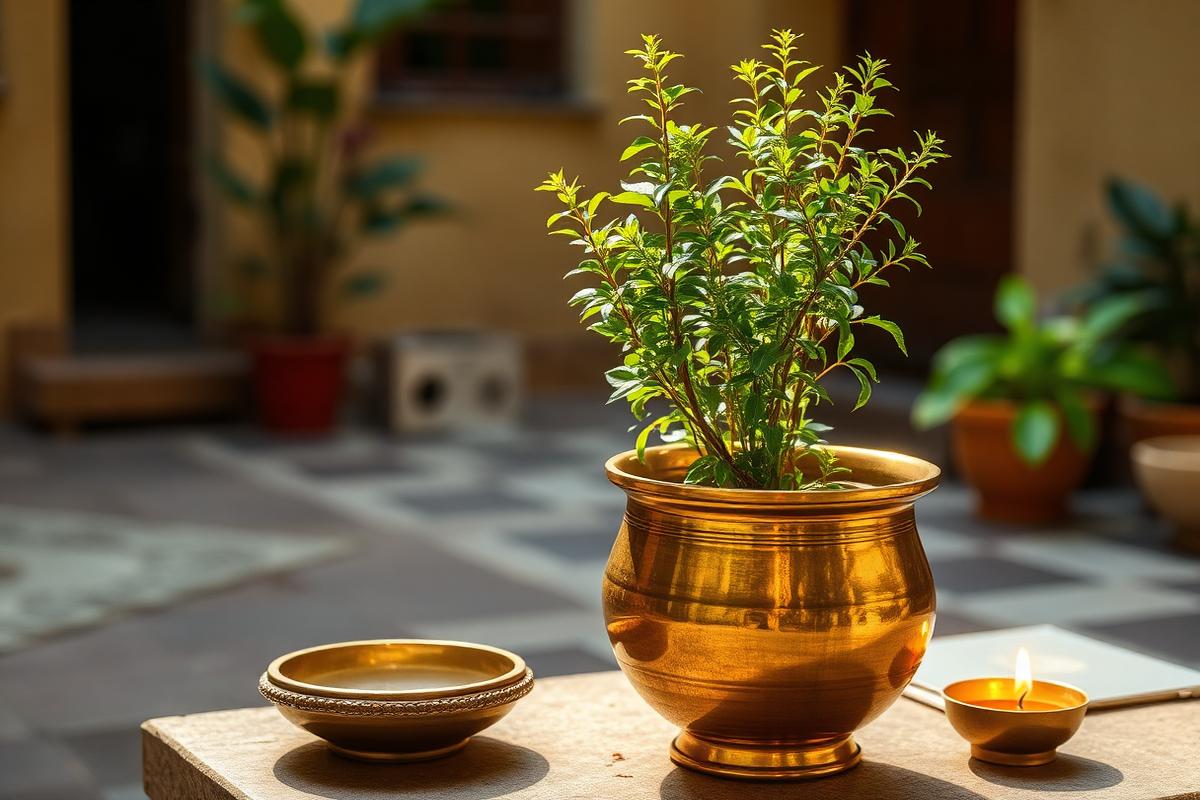
Tulsi is a living goddess. How you care for her plant reflects your relationship with Vishnu throughout the year. The following guidelines are both devotionally and horticulturally correct.
Daily Tulsi Puja Routine:
1. Morning (Brahma Muhurat preferred, or at sunrise):
- Wash hands before touching Tulsi
- Remove any dried leaves or stems carefully (never throw in trash - either compost or immerse in flowing water)
- Offer fresh water to the soil (not directly on leaves)
- Offer a drop of Gangajal on Ekadashi and Dwadashi
- Light incense nearby (not directly on the plant - smoke can damage leaves)
- Chant the daily Tulsi mantra 3 or 11 times
2. Evening (Twilight/Sandhya Kaal):
- Light a small ghee or sesame oil diya near Tulsi
- Tulsi likes light - the lamp benefits her growth
- Do not water Tulsi in the evening (horticulturally harmful; also, Tulsi is "resting" after sunset)
- Never pluck Tulsi leaves after sunset or on Sunday, Ekadashi, or Dwadashi
What NOT to Do with Tulsi:
- Never touch Tulsi without washing hands
- Never pluck leaves when menstruating (traditional restriction)
- Never uproot Tulsi from its pot unless absolutely necessary (such as replanting)
- Do not let the Tulsi plant die through neglect - it is inauspicious and signifies Lakshmi leaving
- Never place Tulsi near a toilet or at ground level - she is a goddess; keep her elevated
Tulsi and Seasonal Transitions:
- Sawan (July–August): Tulsi is particularly sacred. Daily puja is mandatory during Sawan Somwar.
- Chaturmas (July–November): No cutting of Tulsi leaves for 4 months per tradition (debate exists - many families do minimal plucking only for essential puja).
- Ekadashi (every fortnight): Offer Gangajal. This is when Vishnu is most alert (even in Chaturmas sleep, on Ekadashi he is considered partially awake). Light 11 diyas.
- Winter care: Tulsi is sensitive to cold. Keep indoors or cover with thin cloth on cold nights.
How to Revive a Dying Tulsi:
If your Tulsi is wilting, do not panic: 1. Check root - if root is strong, plant can recover 2. Repot in fresh, well-draining soil with some cow dung compost 3. Move to morning sunlight (4–6 hours minimum) 4. Water once daily, not twice 5. Chant the Tulsi Stavan daily while watering - devotion itself is said to revive her
Vandnaa App's daily Tulsi puja reminder sends you a notification at your preferred morning time - never miss your goddess's daily puja.
Post-Tulsi Vivah Wedding Season: Auspicious Marriage Muhurats for Late 2026
The moment Tulsi Vivah is performed on 23 November 2026, the Chaturmas ends and Hindu marriage season officially opens. Here are the key auspicious windows for late 2026 weddings that open up after Tulsi Vivah.
Why Chaturmas Bans Marriages:
From Devshayani Ekadashi (July 6, 2026) to Dev Uthani Ekadashi (November 21, 2026), Vishnu sleeps. In Hindu tradition, a marriage without Vishnu's conscious blessing is incomplete - the sustainer of the universe must be awake to sustain the marriage. This is not superstition; it reflects a deep understanding that marriages begun in spiritually unsupported periods have less community and divine backing.
The 2026 Post-Tulsi Vivah Marriage Window:
Once Tulsi Vivah concludes on 23 November 2026, the following muhurats are available before year-end:
| Date | Day | Nakshatra | Quality | |------|-----|-----------|---------| | November 24 | Tuesday | Rohini | Excellent - first day of season | | November 25 | Wednesday | Mrigashira | Good | | November 27 | Friday | Punarvasu | Excellent | | November 28 | Saturday | Pushya | Very Good (Pushya is king of nakshatras for auspicious events) | | December 1 | Tuesday | Uttara Phalguni | Good | | December 4 | Friday | Anuradha | Good | | December 5 | Saturday | Jyeshtha | Moderate | | December 7 | Monday | Uttara Ashadha | Good | | December 11 | Friday | Uttara Bhadrapada | Excellent | | December 12 | Saturday | Revati | Very Good |
Note: These are general nakshatra-based auspicious periods. An astrologer should confirm against specific birth charts and local Panchang.
The Pushya Nakshatra Advantage (November 28):
Pushya nakshatra is universally considered the most auspicious of all 27 nakshatras for marriages, new ventures, and any major beginnings. That it falls on a Saturday (Shaniwar) in 2026 is unusual - normally Saturday is avoided for weddings (Shani influence), but Pushya's strength overrides this in many traditions. Consult your family priest.
Why November–December Weddings Have Cultural Advantages:
Beyond the religious calendar, the November–December post-Chaturmas window is culturally the most wedding-dense season in India. This means:
- Most family members are available
- Wedding venues are fully operational
- Catering, florists, priests - all systems are staffed and rehearsed
- Community witnesses and blessings are maximum
For Families Planning 2026 Weddings:
If you have a Tulsi Vivah on November 23, you can begin sending out wedding invitations immediately. The Nakshatra window from November 24–28 gives an almost immediate ceremony window for those who have been waiting all through Chaturmas.
Vandnaa App's Wedding Muhurat Calculator generates personalized auspicious dates based on both partners' birth charts and your target month - available for 2026 and 2027 planning.
Tulsi Vivah Vrat for Unmarried Women: The Complete Kartik Vrat Guide
Tulsi Vivah is especially significant for unmarried women seeking a good husband. The belief: participating in the Tulsi-Vishnu marriage (even as a witness or as someone who performs the vidhi) creates a samskar of marriage in the devotee's life. Vishnu, the most ideal husband, blesses the devotee with a husband of similar qualities.
The Kartik Month Vrat for Marriage:
The entire month of Kartik (October–November) is devoted to Vishnu and Tulsi. Unmarried women traditionally observe the Kartik Vrat - a month-long morning puja to Tulsi with a specific intention. The Tulsi Vivah on Dwadashi is the vrat's culmination and most powerful day.
Daily Kartik Vrat for Unmarried Women:
1. Wake before sunrise, bathe 2. Offer water to Tulsi: 3 small pours while chanting ॐ तुलस्यै नमः 3. Light a ghee diya and offer a flower 4. Chant: "तुलसी देवि, मुझे योग्य वर की प्राप्ति करो। जैसे आपका विवाह विष्णु से हुआ, वैसे मेरा विवाह धर्मपरायण, सुखी पुरुष से हो।" (Om Tulsi Devi, bless me with a worthy husband. As your marriage was with Vishnu, may mine be with a righteous, content man.) 5. Offer a fresh flower each day 6. On Ekadashi: fast or eat only once; offer 11 flowers and 11 lamps
On Tulsi Vivah Day (23 November):
Perform the full puja yourself - not just witness it. A woman who performs Tulsi Vivah herself (taking on the role of "parent" of the bride) gains the maximum punya. At the end of the puja, make this specific prayer:
ॐ नमो भगवते वासुदेवाय। जैसे तुलसी का विवाह आपसे हुआ, हे प्रभु, मुझे भी समर्पित पति की प्राप्ति हो।
Then offer a coconut to Lord Vishnu, symbolising surrender of your wish to him.
What Tulsi Vivah Grants:
According to Kartik Mahatmya (scripture praising Kartik month):
- "Ye Tulsi Vivah Kartika Shukla Dwadashyam Karoti, Tasya Kanya Vivaho Bhavati" - Whoever performs Tulsi Vivah on Kartik Shukla Dwadashi, that person's daughter/family member gets married
- "Kumarika Api Tulsi Vivah Darshanat Vivahyate" - Even an unmarried girl who merely witnesses Tulsi Vivah gets married (within the year, per tradition)
The Vandnaa App's Kartik Vrat Tracker gives you a 30-day guided calendar for the complete Kartik vrat from Devprabodhini Ekadashi to Tulsi Vivah - with daily mantras, reminders, and puja steps.
Quick Answers
Can I perform Tulsi Vivah if I don't have a real Shaligram?+
Yes. If a real Shaligram (from Gandaki river, Nepal) is not available, you can use: (a) a Vishnu idol, (b) a Krishna idol (Krishna is Vishnu's avatar), (c) a coconut (traditional substitute), or (d) a framed photo of Vishnu/Krishna. The scripture mentions all four as valid. The real Shaligram is rare and expensive (₹1,500-₹15,000 for a genuine one); do not buy a plastic or fake one. A simple Vishnu photo with full devotion gives the same punya.
Do I need to perform Tulsi Vivah every year?+
Highly recommended but not mandatory. Every household observing the tradition gets one kanyadan punya per year. Many families especially perform it: (a) if they have no daughters (to earn kanyadan punya), (b) if a family member is seeking marriage, (c) if there is marital discord in the family. Even if you've never done it before, you can start this year. Once started, tradition says do not skip - it becomes part of the family's annual dharma.
What if my Tulsi plant is small or not flowering?+
Size and flowering don't affect the puja. Even a 6-inch Tulsi sapling is fully valid for Tulsi Vivah - she is a goddess, not a bride by physical appearance. Decorate her with whatever fits her size. If your Tulsi has been dying or non-flowering for a long time, perform the Vivah as usual - in many cases, the Vivah energy revives the plant within weeks. A drying Tulsi that survives Tulsi Vivah is considered to have absorbed much negative energy of the home - thank her and plant a fresh one next season.
About the author
Pandit Mahesh Trivedi · Festival Traditions & Panchang
Pandit Mahesh leads the festival-date and Panchang content on Vandnaa. He cross-references multiple regional panchangs (Drik, Vaishnava, Bengali, Marathi) for every festival date published on the site.
Meet the Vandnaa editorial team →