Umananda: Shiva on Peacock Island
In the middle of the Brahmaputra river, right beside the city of Guwahati, rises a small rocky island often described as the world's smallest inhabited river island. Upon it stands Umananda Temple, dedicated to Lord Shiva worshipped here as Umananda, a form representing his union with Uma, another name for Parvati.
The island itself is popularly known as Peacock Island, said to take its shape from a hill that resembled a peacock when viewed from certain angles, adding to the temple's distinctive character among Assam's sacred sites.
History and Legend
The temple is understood to have been built in the late 17th century under the patronage of the Ahom kingdom, which ruled the region for centuries and supported the construction of many temples across Assam. Local tradition also links the island to the Puranic legend of Shiva's grief and meditation following Sati's passing, giving the site an added layer of devotional meaning.
Over the centuries, the temple has weathered earthquakes and rebuilding, yet has remained a continuously worshipped shrine, its riverine setting only deepening its association with quiet, meditative devotion.
Significance and What Devotees Seek
For devotees, the journey to Umananda is itself part of the temple's meaning, a short ferry ride across the sacred Brahmaputra that separates the ordinary world from a place set apart for worship. Many describe the crossing as a quiet transition into devotion, well before they even reach the shrine.
Worship here is approached as an offering of peace and stillness to Shiva, in keeping with his nature as the meditative ascetic, and devotees often value the temple as much for its contemplative atmosphere as for the darshan itself.
Rituals and How to Visit
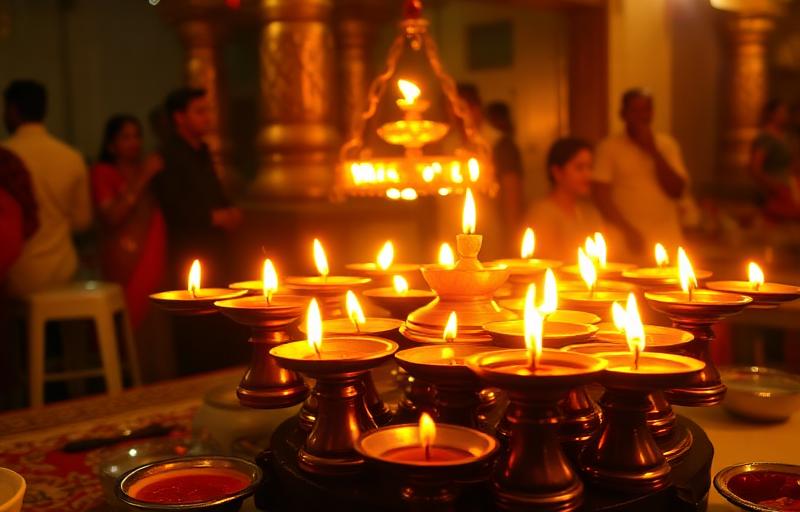
Devotees reach the temple by a short government ferry service that runs from the banks near Guwahati to Peacock Island.
- Shivaratri is celebrated with particular devotion at Umananda, drawing large numbers of pilgrims across the day
- Regular daily rituals are performed by resident priests according to long tradition
- Devotees are advised to check current ferry timings locally, as these can vary by season
- The island's small size means visits are usually brief but deeply peaceful
How to Reach Umananda Temple
Umananda Temple is reached via ferry from Umananda Ghat in Guwahati, a city well connected by rail and air, with Lokpriya Gopinath Bordoloi International Airport serving as the nearest major airport. The ghat itself is easily reached by local transport within the city.
Ferries typically run through the day, and mornings and late afternoons are considered the most pleasant times to cross, offering calmer waters and gentler light over the river.
A Devotee's Reflection
Devotees chant 'Om Namah Shivaya' as the ferry glides across the Brahmaputra toward the island, a fitting prelude to darshan at this quiet shrine.
Few temples in India offer quite this sense of arrival, a river crossing, a small hill, and a shrine that feels held apart from the world, reminding devotees that sometimes the journey itself is where devotion truly begins.
Quick Answers
How is Umananda Temple reached?+
The temple sits on Peacock Island in the Brahmaputra and is reached by a short government ferry service from Umananda Ghat in Guwahati.
Who is worshipped at Umananda Temple?+
The temple is dedicated to Lord Shiva, worshipped here as Umananda, a form representing his union with Uma, another name for the goddess Parvati.
Why is Peacock Island significant to the temple?+
Peacock Island is often described as the world's smallest inhabited river island, and its secluded, riverine setting is central to the temple's identity and its atmosphere of quiet, meditative devotion.
About the author
Pandit Ravindra Sharma · Vedic Rituals & Bhakti, 22+ years
Pandit Ravindra is the Vandnaa editorial team's resident specialist on aarti, chalisa, and daily devotion. He has performed home and temple pujas across Varanasi and Delhi for over two decades and contributes the bhakti-focused articles on this site.
Meet the Vandnaa editorial team →