Who Was Urmila
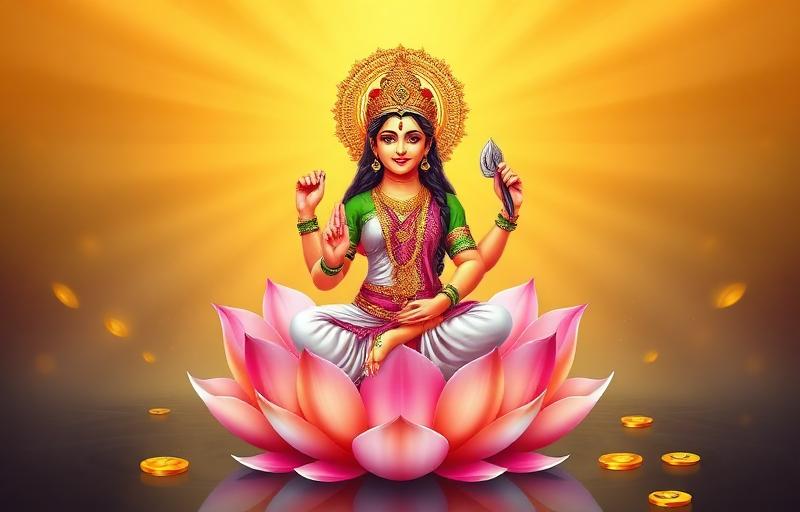
Urmila was the daughter of King Janaka of Mithila and the younger sister of Sita, married to Lakshmana in the same grand ceremony that united Rama and Sita, and their other siblings, in one of the most celebrated joint weddings in Hindu tradition.
Her marriage to Lakshmana had barely begun when the order of exile arrived. Lakshmana chose, without hesitation, to accompany Rama and Sita into the forest. Urmila, newly married, was left behind in Ayodhya, her own fourteen years unfolding not in the wilderness but within the palace she once hoped to share with her husband.
Her story is far less narrated than Sita's, yet devotional tradition holds her sacrifice in the highest regard precisely because it asked so much while offering so little recognition in return.
Fourteen Years of Silent Waiting
Urmila's defining moment is not a single dramatic scene but an entire life quietly held in suspension. While her husband guarded Rama and Sita in the forest, Urmila remained in Ayodhya, sharing in the grief of the royal household, caring for her mother-in-law Sumitra, and carrying the weight of an absence no one asked her to explain.
A cherished devotional tradition holds that Urmila took on Lakshmana's need for sleep upon herself, allowing him to stay awake through the exile to guard Rama and Sita without rest. Whether understood literally or as a poetic expression of her sacrifice, the image endures: her waking hours spent in longing so that his could be spent in duty.
She asked for no praise and features in only a handful of verses across the vast telling of the Ramayana, her sacrifice folded quietly into the margins of a much louder story.
What Urmila's Sacrifice Teaches
Urmila's story teaches devotees that not all sacrifice is visible, and not all devotion is rewarded with recognition. Her fourteen years were arguably as difficult as anyone's in the epic, yet she is rarely named among its central figures.
Her example asks us to notice the quiet sacrifices around us, the ones made without an audience, without applause, and often without even being fully understood by those closest to them. Devotees find in her a gentle rebuke to the idea that devotion needs witnesses to be meaningful.
Her patience is not passive resignation. It is its own form of steadfastness, choosing to support a larger purpose even when her own role in it goes largely unsung.
How Devotees Remember Urmila
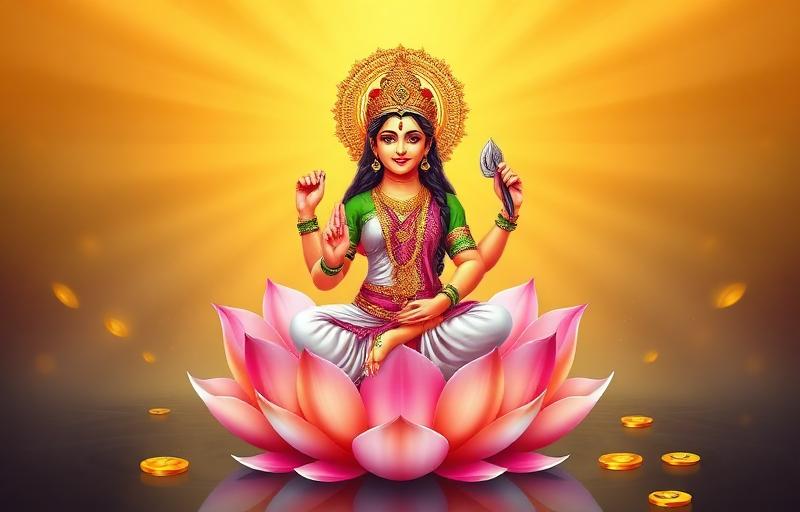
Urmila does not have the widespread temple worship that Sita or Rama receive, but her memory has grown steadily stronger in recent generations, especially through poetry, plays and retellings that give voice to characters the original epic mentions only briefly.
She is increasingly held up as a symbol of the silent strength within families, particularly of those who support loved ones' larger callings from behind the scenes. Devotional discourse today often uses her story to honour caregivers, homemakers and anyone whose contribution rarely makes it into the retelling.
- Honoured in modern retellings as a symbol of quiet strength
- Associated with Mithila and the joint wedding of Janaka's daughters
- Increasingly invoked to recognize unseen and unsung devotion
A Reflection for Today
Urmila's life invites us to look more closely at the people who hold things together quietly while others are celebrated for visible acts of courage. Her devotion was not smaller than Lakshmana's. It simply took a different, less noticed shape.
In every family today, there are Urmilas, people whose patience and support make someone else's journey possible. Her story asks us to see them, thank them, and understand that devotion carried in silence is no less sacred than devotion performed on the world's stage.
Common Questions From Devotees
Why didn't Urmila go into exile with Lakshmana?+
Lakshmana went to serve and protect Rama and Sita, a role that traditionally called for a small, focused group. Urmila remained in Ayodhya, where her own quiet sacrifice unfolded caring for the grieving royal family.
What is the tradition about Urmila taking on Lakshmana's sleep?+
A cherished devotional belief holds that Urmila took upon herself the sleep Lakshmana would have needed, allowing him to remain awake and alert through the fourteen years to protect Rama and Sita.
Why is Urmila's story less well known than other Ramayana figures?+
The original epic focuses mostly on those who journeyed into exile. Urmila's story unfolded quietly within the palace, which meant fewer verses were dedicated to her, though her devotion was no less significant.
About the author
Pandit Ravindra Sharma · Vedic Rituals & Bhakti, 22+ years
Pandit Ravindra is the Vandnaa editorial team's resident specialist on aarti, chalisa, and daily devotion. He has performed home and temple pujas across Varanasi and Delhi for over two decades and contributes the bhakti-focused articles on this site.
Meet the Vandnaa editorial team →