What Is a Vahana - More Than a Mount
The Sanskrit word vahana comes from the root vah, to carry. Every major Hindu deity has one - an animal or bird that bears them, stands at their feet in temples, and appears beside them in every image. But a vahana is never mere transport. In the symbolic grammar of Hindu iconography, the animal embodies a powerful natural tendency - desire, pride, ego, restlessness, fear - and the deity riding it shows that quality fully mastered, not destroyed but harnessed and put to divine use. The vahana is also a mirror held up to the devotee: the animal is us, our own untamed energy, and the image promises that the same force which runs wild can carry God when disciplined. Reading the vahanas, deity by deity, is therefore one of the most direct ways to read the inner teaching of the murtis we bow to every day.
Ganesha's Mushak and Durga's Lion
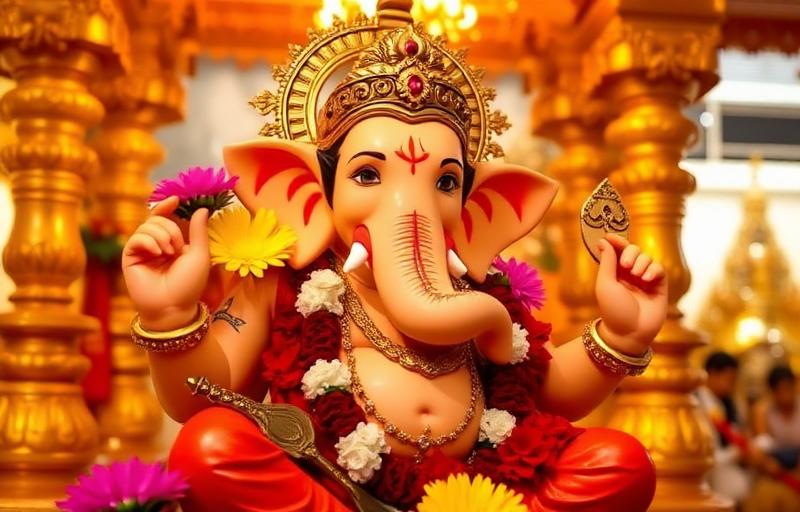
Ganesha and the mushak (mouse): the contrast is deliberate comedy with deep intent. The mouse is restless desire - small, quick, gnawing through anything, never satisfied, impossible to fence out. The remover of obstacles rides precisely this: the mind's nibbling wants, mastered. A mouse also slips through the smallest opening, just as Ganesha's grace penetrates every obstacle. Before his murti, the devotee asks: does my desire ride me, or do I ride it? Durga and the lion: the Devi's vahana is raw power itself - aggression, courage, the king-of-the-jungle ego. Durga neither kills the lion nor fears it; she rides it into battle against Mahishasura. The teaching is that shakti is not the absence of ferocity but its perfect governance. Power under wisdom protects the world; power without it becomes the very demon the Devi slays.
Shiva's Nandi and Vishnu's Garuda
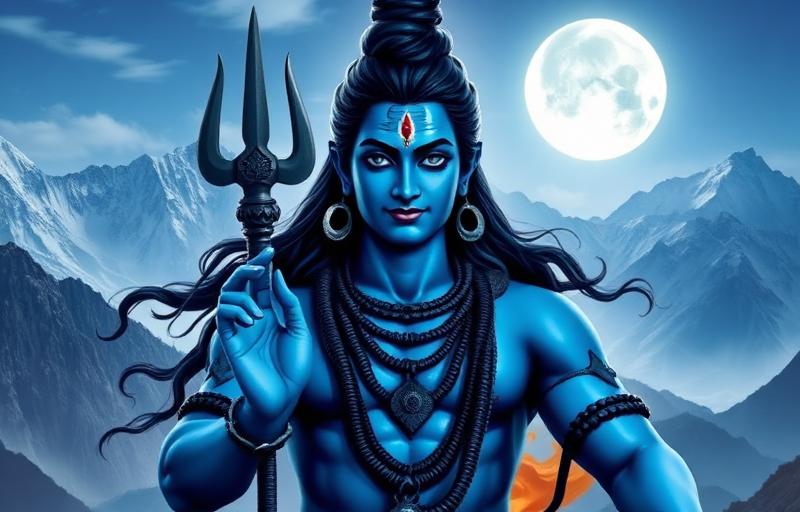
Shiva and Nandi the bull: Nandi embodies dharma itself - patient strength, virility mastered into steadfastness, and the ideal devotee's one-pointed waiting. In every Shiva temple, Nandi sits facing the sanctum, gaze locked on the Lord, teaching that the first qualification for darshan is undistracted attention. Whisper a wish in Nandi's ear, tradition says, and he carries it to Shiva. We explore his story and worship fully in our dedicated post on Nandi. Vishnu and Garuda: the king of birds, devourer of serpents, who once out-fought the devas to win amrita and free his mother from slavery. Garuda is vedic knowledge and fearless speed in service - the power that rises above the snakes of doubt and poison of despair. His wings, the texts say, hum with Vedic chants. Our separate post on Garuda tells his full story; here, note the pattern - the preserver of the cosmos travels on tireless, knowledge-winged seva.
Lakshmi's Owl and Elephants, Saraswati's Swan

Lakshmi and the owl (uluka): the strangest pairing in the pantheon, and the wisest. The owl sees in darkness but is blinded by daylight. Riding beside the goddess of wealth, it carries a double warning: wealth pursued without dharma makes one night-sighted - sharp about money, blind to everything that matters - while wealth handled with viveka can see even in dark times. In Bengal's tradition the white owl announces Lakshmi's arrival into the home. Gajalakshmi's elephants: in her royal form, Lakshmi is flanked by elephants pouring water over her - rain-clouds, abundance, kingly glory and the fertility of the fields. Saraswati and the hamsa (swan): the swan, legend says, can separate milk from water - neera-ksheera viveka. The goddess of knowledge rides discrimination itself: the trained mind that takes truth and leaves falsehood. The hamsa also glides on water without wetting its feathers, as the wise live in the world unstained by it.
Kartikeya's Peacock and Yama's Buffalo
Kartikeya and the peacock: the commander of the divine armies rides the most beautiful - and most vain - of birds. The peacock is glamour, display, the preening ego; in southern tradition it was born from the subdued demon Surapadma himself, transformed by Murugan's grace. The war-god riding it declares that true valour has conquered vanity, and that even an enemy, subdued, can be turned into a carrier of the divine. The peacock also kills snakes, as Kartikeya's spear destroys the serpents of inner negativity. Yama and the buffalo: the lord of death rides the male buffalo - slow, dark, immensely strong, utterly unhurried. Nothing rushes the buffalo, and nothing turns it aside; so too death and time. The buffalo is tamas, inertia and inevitability, mastered by the lord of dharma who is also called Dharmaraja - a reminder that in our scriptures, death is not chaos but the most punctual servant of cosmic law.
Indra's Airavata, Surya's Seven Horses, Shani's Crow
Indra and Airavata: the king of the devas rides the white, multi-tusked elephant born of the samudra manthan, the churning of the ocean. Airavata is royal abundance and the rain-bearing clouds - Indra's own portfolio - and his dazzling whiteness is purity of power. Yet the Gajendra Moksha story keeps the warning alive: even celestial majesty cannot save; only the Lord's grace does. Surya's seven horses: the sun-god's chariot is drawn by seven horses, often shown as one horse with seven heads, driven by the dawn-charioteer Aruna. Tradition reads the seven as the seven colours of light, the seven days of the week, and the seven Vedic metres (chhandas) - time, light and sacred sound yoked to a single unstoppable journey. Shani and the crow: the lord of karma rides the humble, unloved crow - the scavenger that thrives on what others discard. Shani's lesson travels on it: karma collects everything we throw away and discounts nothing, and humility before truth, however unglamorous, is the only safe vehicle.
Reading the Vahana - The Animal Is Us
Set the whole list side by side and a single teaching emerges. Desire (mouse), aggression (lion), brute virility (bull), pride of flight (Garuda's speed), greed in the dark (owl), undiscriminating mind (the swan's opposite), vanity (peacock), inertia (buffalo), pomp (elephant), restless time (horses), and karma's scavenging (crow) - these are not eleven animals. They are one inner zoo, the complete catalogue of energies every human carries. The deities do not exterminate these creatures; they ride them. That is the devotional psychology of the vahana: nothing in our nature is to be hated, everything is to be mastered and offered upward. When you next stand for darshan, look below the deity's feet before you look at the face. The vahana shows you what must be tamed in yourself before that deity's quality - wisdom, shakti, abundance, knowledge, fearlessness - can fully ride into your life.
What People Ask Most
What does the word vahana mean?+
Vahana comes from the Sanskrit root vah, to carry - it is the animal or bird that bears a deity. Symbolically, the vahana embodies a powerful natural tendency such as desire, ego or inertia, and the deity riding it shows that quality completely mastered and put to divine use. It is also a mirror for the devotee's own inner energies.
Why does Ganesha ride a tiny mouse?+
The mushak represents restless, gnawing desire - small but capable of destroying anything, never satisfied. Ganesha riding it shows desire fully mastered by wisdom. The mouse also slips through the smallest openings, symbolising how Ganesha's grace penetrates every obstacle. The comic contrast of sizes is deliberate: the subtlest enemies need the greatest mastery.
Why is Lakshmi's vahana an owl?+
The owl (uluka) sees in darkness but is blinded by daylight. Beside the goddess of wealth it is a warning: chasing wealth without dharma makes a person sharp about money but blind to everything that truly matters. Handled with viveka, wealth can instead see one through dark times. In Bengali tradition, the white owl signals Lakshmi's auspicious arrival in a home.
What do Surya's seven horses represent?+
The seven horses of Surya's chariot, driven by Aruna, are traditionally read three ways: the seven colours hidden in white sunlight, the seven days of the week, and the seven Vedic metres or chhandas. Together they show light, time and sacred sound yoked to one unstoppable daily journey - the sun as the visible face of cosmic order.
Are vahanas themselves worshipped?+
Yes, several receive direct worship. Nandi has his own shrine facing the sanctum in every Shiva temple, and devotees whisper wishes into his ear. Garuda has a pillar or shrine in most Vishnu temples and his own stotras, like the Garuda Dandakam. Airavata and the peacock appear in temple festivals. Honouring the vahana is honouring perfected devotion and service.
What is the inner meaning of vahanas for a devotee?+
Taken together, the vahanas form a complete catalogue of human tendencies - desire, aggression, vanity, inertia, greed, restlessness. The deities do not destroy these animals; they ride them. The teaching is that nothing in our nature is to be hated; every energy can be mastered and offered upward. The vahana shows what must be tamed in us before that deity's quality can enter our life.
About the author
Anjali Mehta · Editor, M.A. Religious Studies
Anjali is the managing editor for Vandnaa and oversees the festival and vrat coverage. She holds an M.A. in Religious Studies and reviews every published article for accuracy, accessibility, and tradition-fidelity.
Meet the Vandnaa editorial team →