Vaitheeswaran Koil: The Temple of the Divine Physician
Vaitheeswaran Koil, near Sirkazhi in Tamil Nadu, is dedicated to Lord Shiva in his form as Vaidyanatha, the divine physician, worshipped here as the healer of both body and spirit. Alongside him, the goddess is worshipped as Thaiyalnayaki.
The temple has for generations been closely linked with faith in healing, and the region around it has long been home to practitioners of Siddha medicine, an ancient Tamil system of traditional healing rooted in herbal and holistic treatment, whose practice devotees see as intertwined with the temple's own spirit of care.
The Legend: Healing Granted Through Devotion
Tradition tells of a devotee suffering a severe ailment who found relief after praying with complete faith at this shrine, an act of grace that devotees believe established the temple's lasting association with healing. Since then, generations of pilgrims troubled by illness have visited Vaitheeswaran Koil to pray for recovery and strength.
The temple tank here, known as Siddhamirtham, is considered by devotees to carry particular sanctity, and a ritual bath in its waters is traditionally undertaken as part of a pilgrim's prayer for wellbeing, alongside worship in the sanctum.
Why Vaitheeswaran Koil Is Sacred to Devotees Today
For devotees facing illness or seeking strength through recovery, Vaitheeswaran Koil holds a place unlike most other Shiva shrines.
- Devotees pray here for health and healing, placing their trust in Vaidyanatha's grace during times of physical hardship
- The temple's long association with Siddha medicine practitioners reflects a tradition where faith and healing knowledge have grown side by side
- A ritual bath in the temple tank is considered part of the devotional practice of seeking wellbeing here
- The temple continues to draw pilgrims seeking comfort and hope during difficult periods of illness in the family
Darshan Guide: The Sanctum and Siddhamirtham Tank
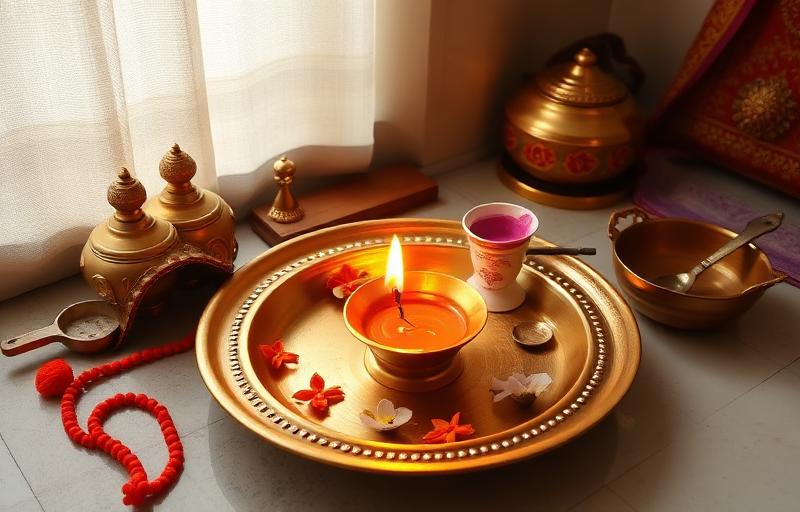
The temple is generally open from early morning until night, with a customary midday closing as is typical of South Indian temples. Pilgrims usually begin with a visit to the Siddhamirtham tank before offering prayers at the Vaidyanatha sanctum and the shrine of Thaiyalnayaki.
Maha Shivaratri and the temple's own festival days are considered especially significant occasions, when devotees gather in large numbers to pray for health and wellbeing.
How to Reach Vaitheeswaran Koil
Vaitheeswaran Koil lies near Sirkazhi in Tamil Nadu's Mayiladuthurai district, well connected by road and rail to Chennai, Thanjavur and Chidambaram. The nearest railway station carries the temple's own name, and the site is easily reached by local transport from surrounding towns.
A Simple Prayer and the Takeaway
Devotees visiting Vaitheeswaran Koil often chant Om Namah Shivaya, offering it here with particular focus as a prayer for health and healing.
The temple reminds devotees that faith and care for the body and mind are not separate paths but can walk together, one supporting the other. Worship at such shrines is an act of faith and love, not a transaction.
Reader Questions Answered
Why is Shiva worshipped as Vaidyanatha here?+
Shiva is worshipped here as Vaidyanatha, meaning lord of physicians, reflecting the temple's long tradition of devotees praying for healing and relief from illness.
What is the connection between Vaitheeswaran Koil and Siddha medicine?+
The region around the temple has long been home to practitioners of Siddha medicine, an ancient Tamil healing tradition, and devotees see this practical healing knowledge as connected to the temple's spirit of care.
What is Siddhamirtham?+
Siddhamirtham is the temple tank at Vaitheeswaran Koil, considered particularly sacred, where pilgrims traditionally take a ritual bath as part of their prayer for wellbeing.
About the author
Pandit Ravindra Sharma · Vedic Rituals & Bhakti, 22+ years
Pandit Ravindra is the Vandnaa editorial team's resident specialist on aarti, chalisa, and daily devotion. He has performed home and temple pujas across Varanasi and Delhi for over two decades and contributes the bhakti-focused articles on this site.
Meet the Vandnaa editorial team →