Who Was Vidur
Vidur was the younger brother of Dhritarashtra and Pandu, born to a maidservant and considered an incarnation of Dharma (Yama) himself. Though his birth kept him from the throne, he served as the wise and incorruptible prime minister and counsellor of Hastinapura. The Vidur Niti is the body of advice he gave to the troubled, sleepless King Dhritarashtra on the eve of war - covering wisdom, conduct, truth and good governance. It remains one of the clearest guides to ethical, practical living.
Lesson 1 - Know the Marks of a Truly Wise Person
Vidur describes the pandit (wise person) in vivid detail. A representative line: The wise undertake work suited to their strength, are not swayed by flattery or fear, speak measured words, and finish what they begin. He contrasts this with the fool who acts on impulse and abandons tasks midway. Takeaway: Wisdom is not about cleverness but about steadiness - knowing your capacity, controlling reactions, speaking with care and seeing things through. We can build these qualities deliberately, day by day.
Lesson 2 - Conquer Anger, Greed and Desire Within
Vidur identifies our worst enemies as living inside us. A representative line: Desire, anger and greed are the three gates that destroy the soul; the wise abandon them. He warns that a person ruled by anger loses judgement and a person ruled by greed never finds peace. Takeaway: Our biggest battles are internal. Before blaming circumstances or others, we must master the anger, greed and craving that cloud our minds. Self-control over these inner enemies is the foundation of every other success.
Lesson 3 - Speak the Truth, but Speak It Wisely
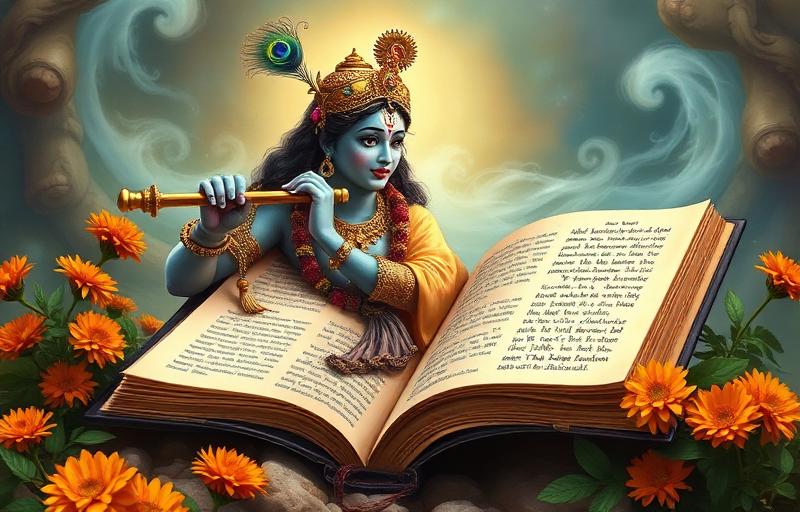
Vidur held truth and integrity above personal gain - he openly told Dhritarashtra harsh truths others feared to speak. A representative idea: Speak what is true, what is pleasant and beneficial; do not speak an unpleasant truth merely to wound, nor a pleasant lie to please. Takeaway: Honesty is a sacred duty, but truth must be paired with good intent and the right way of speaking. Be truthful and courageous, yet kind and constructive, so your words heal and guide rather than simply hurt.
Lesson 4 - Lead with Justice, Counsel and Self-Control
Much of the Vidur Niti is advice to a king. A representative idea: A ruler should listen to wise counsel, treat the deserving and the wrongdoer according to their deeds, never act in anger, and protect the weak. He warns that a leader surrounded by flatterers and ruled by his sons' whims will lose everything. Takeaway: Good leadership rests on justice, openness to honest advice and control over one's emotions. Whether at home or work, a leader who is fair and listens well builds lasting trust and stability.
Lesson 5 - What Keeps a Home and Family Prosperous
Vidur is wonderfully practical about household happiness. A representative idea: Lakshmi, the goddess of prosperity, dwells where people are truthful, hardworking, free of anger, generous and respectful of guests and elders. He warns that quarrels, laziness and disrespect drive fortune away. Takeaway: Prosperity is not just earned in the market but cultivated at home through good character. A household of honesty, harmony, hard work and respect naturally attracts well-being and lasting happiness.
Lesson 6 - Keep Good Company and Avoid the Wicked

Vidur stresses that our company shapes our fate. A representative idea: As a drop of water shines like a pearl on a lotus leaf but is ordinary elsewhere, a person takes on the qualities of the company they keep. He urges us to seek the wise and the virtuous. Takeaway: We slowly absorb the values of those we spend time with. Surround yourself with honest, disciplined and good-hearted people, and gently distance yourself from those whose habits and intentions pull you downward.
Lesson 7 - Forgiveness Is the Strength of the Strong
Vidur praises kshama (forgiveness) as a supreme virtue. A representative idea: Forgiveness is the strength of the strong and the ornament of the capable; one who forgives wins peace, while one consumed by revenge destroys himself. Takeaway: Forgiveness is not weakness but quiet power. Holding on to anger and revenge burns us from within, while the ability to let go frees the mind and ends cycles of conflict. The truly strong choose peace over endless retaliation.
Frequently Asked Questions
Who was Vidur in the Mahabharata?+
Vidur was the wise and honest prime minister of Hastinapura, half-brother of Dhritarashtra and Pandu, and considered an incarnation of Dharma. He was known for fearlessly speaking the truth and upholding righteousness.
What is Vidur Niti?+
Vidur Niti is the wise counsel Vidur gave to the sleepless King Dhritarashtra before the Kurukshetra war. It covers the marks of a wise person, self-control, truth, good governance and what keeps a home prosperous.
What does Vidur Niti say about anger and greed?+
Vidur calls desire, anger and greed the three gates that destroy the soul. He teaches that a person ruled by anger loses judgement and one ruled by greed never finds peace, so the wise master these inner enemies.
What are the qualities of a wise person according to Vidur?+
According to Vidur, a wise person undertakes work suited to their strength, is not swayed by flattery or fear, speaks measured words, finishes what they begin and stays steady, unlike a fool who acts on impulse.
What keeps a home prosperous according to Vidur Niti?+
Vidur says prosperity dwells where people are truthful, hardworking, free of anger, generous and respectful of guests and elders. Quarrels, laziness and disrespect drive away fortune and well-being.
Is Vidur Niti relevant in modern life?+
Yes. Its teachings on self-control, honest speech, choosing good company, fair leadership and building a harmonious home apply directly to careers, relationships and family life even today.
About the author
Anjali Mehta · Editor, M.A. Religious Studies
Anjali is the managing editor for Vandnaa and oversees the festival and vrat coverage. She holds an M.A. in Religious Studies and reviews every published article for accuracy, accessibility, and tradition-fidelity.
Meet the Vandnaa editorial team →Explore on Vandnaa
Related Articles

Chanakya Niti - Timeless Life & Success Lessons
10 min read
Karna's Life Lessons from the Mahabharata
10 min read
Bhishma's Life Lessons from the Mahabharata
10 min read
Draupadi's Life Lessons from the Mahabharata
10 min read

What the Bhagavad Gita Says About Anger - How to Control It
10 min read
Bhagavad Gita - All 18 Chapters Summary & Key Teachings
10 min read