The Wide Eyed Devi of Kashi
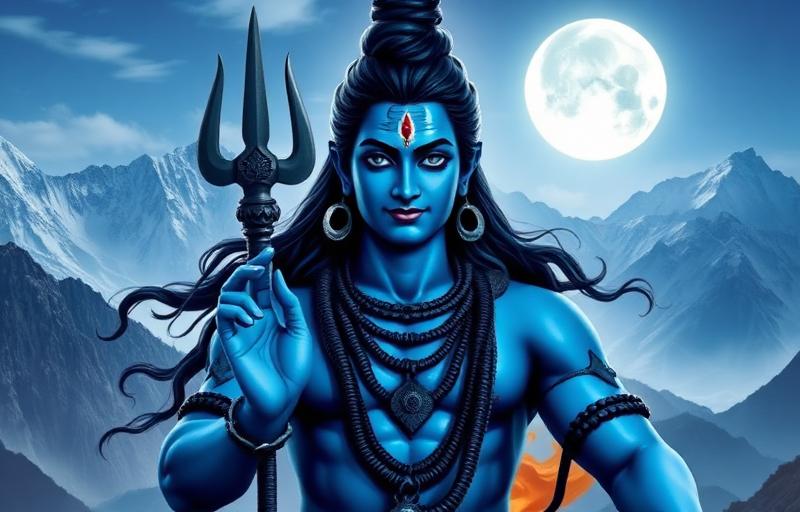
In the sacred lanes of Varanasi, close to the ghats of the Ganga, stands the Vishalakshi Temple, dedicated to the Devi in her form as Vishalakshi, meaning the goddess with wide, beautiful eyes. In the city that is considered Lord Shiva's own abode, Vishalakshi is honoured as the Shakti who resides beside him.
Devotees regard her gaze as one of boundless compassion, wide enough to see and answer the prayers of every soul who comes to her with sincerity, in a city where the Devi and Mahadev are worshipped together in deep harmony.
The Legend of the Shakti Peeth
Vishalakshi is counted among the sacred Shakti Peethas linked to the katha of Sati and Lord Shiva. As per tradition, it is here that the earrings of Sati fell to the earth, and the site was consecrated as a seat of the Devi's shakti.
Some devotees also connect this legend to the name of the nearby Manikarnika Ghat, one of the holiest cremation ghats in Varanasi, believed by many to derive its name from a jewel (mani) and ear ornament (karnika) associated with the Devi. Whatever the precise origin, the closeness of Vishalakshi Temple to Manikarnika reflects how deeply Shakti worship is woven into the sacred geography of Kashi.
Significance and What Devotees Pray For
As one of the revered Shakti Peethas, Vishalakshi Temple draws devotees who believe that sincere worship here is met with the Devi's compassionate gaze. Many pray for clarity in difficult decisions, protection from harm, and the wisdom to see one's path clearly, in keeping with the meaning of her wide, all seeing eyes.
Being situated in Kashi, a city devotees consider auspicious for spiritual practice of every kind, a visit to Vishalakshi is often combined with darshan of Kashi Vishwanath and a walk along the ghats, making the pilgrimage here part of a wider journey of faith through the holy city.
Darshan Guide: Timings and Festivals
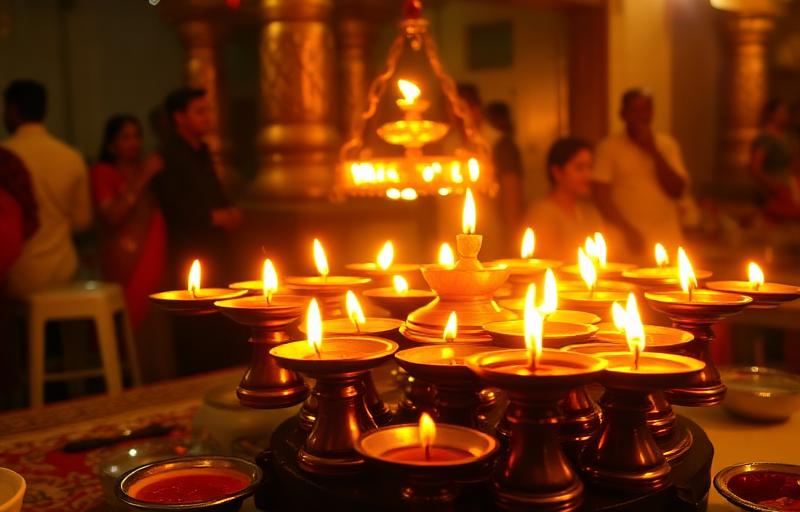
The temple follows the simple daily pattern of Kashi's shrines, opening early in the morning for darshan and aarti, with hours continuing through the day and a closing aarti in the evening. Since timings can shift slightly by season, it is wise to confirm locally.
Navratri, in both its Chaitra and Sharad forms, is celebrated here with special devotion, along with other Devi festivals through the year. The temple sees a steady flow of devotees given its location within the pilgrim circuit of Varanasi.
How to Reach Vishalakshi Temple
The temple is located in the old quarters of Varanasi, Uttar Pradesh, within walking distance of Manikarnika Ghat and other prominent ghats along the Ganga. Cycle rickshaws and walking are common ways to navigate the narrow lanes of the area.
Varanasi is well connected by rail through Varanasi Junction and Varanasi Cantt stations, and by air through Lal Bahadur Shastri International Airport, both linking the city to major destinations across India.
Mantra to Chant and Takeaway
Devotees offer the simple mantra Om Vishalakshai Namah (salutations to the wide eyed goddess) while seeking her blessings, a short but heartfelt way to invoke her compassionate gaze.
A visit to Vishalakshi Temple is a gentle reminder that the Devi watches over her devotees with eyes wide enough to hold the whole world's sorrows and hopes. Whether offered in the lanes of Kashi or from afar, worship here is an act of faith and love, not a transaction.
Quick Answers
Which body part of Sati is associated with Vishalakshi Temple?+
According to tradition, the earrings of Sati fell at this site, making Vishalakshi Temple one of the revered Shakti Peethas of India, located in the holy city of Varanasi.
Is Vishalakshi Temple connected to Manikarnika Ghat?+
The temple stands close to Manikarnika Ghat, and many devotees connect the ghat's name to a jewel and ear ornament associated with the Devi, reflecting the deep presence of Shakti worship in this part of Varanasi.
What do devotees pray for at Vishalakshi Temple?+
Devotees pray for clarity in difficult decisions, protection, and wisdom, reflecting the meaning of Vishalakshi's name as the goddess with wide, all seeing eyes.
About the author
Pandit Ravindra Sharma · Vedic Rituals & Bhakti, 22+ years
Pandit Ravindra is the Vandnaa editorial team's resident specialist on aarti, chalisa, and daily devotion. He has performed home and temple pujas across Varanasi and Delhi for over two decades and contributes the bhakti-focused articles on this site.
Meet the Vandnaa editorial team →