What Is Vishu and When Is It Celebrated
Vishu is the Malayalam new year, celebrated in mid-April on the first day of the month of Medam, around the same time as Baisakhi, Puthandu and Rongali Bihu elsewhere in India. It marks the sun's movement into a new position and the start of the traditional Kerala calendar year.
The most distinctive part of Vishu is observed before sunrise, when family members are guided, eyes closed, to view the Vishukkani, an arrangement believed to be the first sight of the new year, said to shape the mood and fortune of the days ahead.
The Meaning Behind Kani
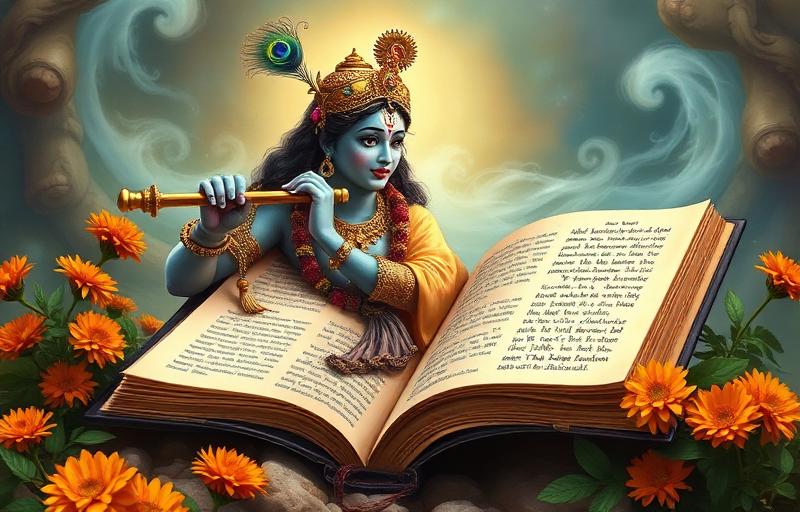
The word Kani means "that which is seen first," and the tradition rests on the belief that beginning the year with an auspicious, beautiful sight fills the mind with positivity and gratitude. In many Kerala households, the Vishukkani is arranged in front of an image of Lord Krishna, especially Guruvayurappan, reflecting Kerala's strong Krishna devotion.
The practice is understood not as prediction but as intention setting, a devotional way of choosing to greet the new year with beauty, abundance and thankfulness rather than through any claim about what the future holds.
Arranging the Vishukkani
The night before Vishu, usually the eldest woman of the house arranges the Kani using a bell metal vessel called uruli, filled with items chosen for their auspicious meaning.
- Kani Konna, the golden shower flowers, for beauty and prosperity
- Rice and paddy, for sustenance and abundance
- Fruits like mango, jackfruit and banana, for the season's harvest
- A mirror, gold ornaments and coins, for reflection and wealth
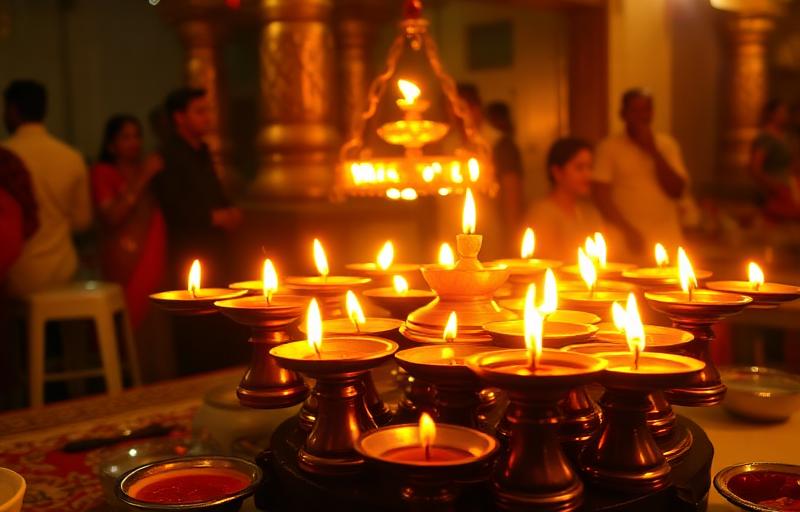
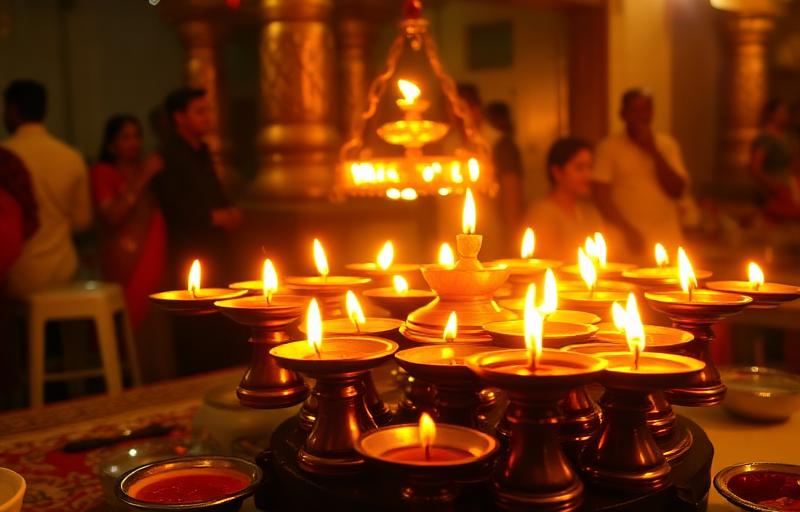
- A lit nilavilakku, the traditional brass lamp, for auspicious light
On Vishu morning, family members are woken with eyes covered and led to view this arrangement first thing, followed by Vishukaineettam, elders giving money or gifts to the young as blessings.
Kerala's Place in the Spring New Year Family
Vishu shares its calendar position with Puthandu in Tamil Nadu, Baisakhi in Punjab and Bihu in Assam, all falling within the same mid-April window that marks the solar new year in different regional traditions.
What sets Vishu apart is its unique emphasis on sight and visual auspiciousness through the Kani, compared to Puthandu's similar but distinctly Tamil kanni arrangement, or the pachadi-centred approach of Ugadi. Each tradition chose a different sense, sight for Vishu, taste for Ugadi, to carry the same spirit of a fresh, hopeful beginning.
Prayers and the Vishu Sadya
After viewing the Kani, families visit temples, especially those of Krishna, to offer prayers, often chanting simple invocations like Om Namo Bhagavate Vasudevaya, seeking blessings for the year ahead.
The day continues with the Vishu Sadya, an elaborate vegetarian feast served on a banana leaf, featuring dishes like mampazha pulissery made with ripe mango, and is shared with family as a mark of the season's abundance.
Beginning the Year with Beauty
Vishu Kani teaches a gentle devotional lesson, that how we choose to begin something shapes how we carry it forward. By filling the first sight of the year with beauty, abundance and the image of God, Kerala's households set an intention of gratitude rather than anxiety.
Worship is an act of faith and love, not a transaction, and the quiet, careful arrangement of the Kani each year is a reminder that devotion can live in small, thoughtful acts as much as in grand rituals.
What People Ask Most
What items are placed in the Vishukkani?+
The Vishukkani typically includes Kani Konna flowers, rice, fruits like mango and jackfruit, a mirror, gold ornaments, coins and a lit lamp, all chosen for their auspicious symbolism, often arranged before an image of Krishna.
Why do family members keep their eyes closed before seeing the Kani?+
The tradition holds that the very first sight of the new year should be the deliberately arranged, auspicious Kani rather than anything ordinary, so eyes are kept closed and family members are guided to it to preserve that intentional first glimpse.
Is Vishu Kani related to astrology or prediction?+
No, Vishu Kani is a devotional tradition of intention and gratitude, not a predictive practice. It is about consciously beginning the year with beauty and thankfulness rather than forecasting what will happen.
About the author
Pandit Mahesh Trivedi · Festival Traditions & Panchang
Pandit Mahesh leads the festival-date and Panchang content on Vandnaa. He cross-references multiple regional panchangs (Drik, Vaishnava, Bengali, Marathi) for every festival date published on the site.
Meet the Vandnaa editorial team →