Who Is Ved Vyasa
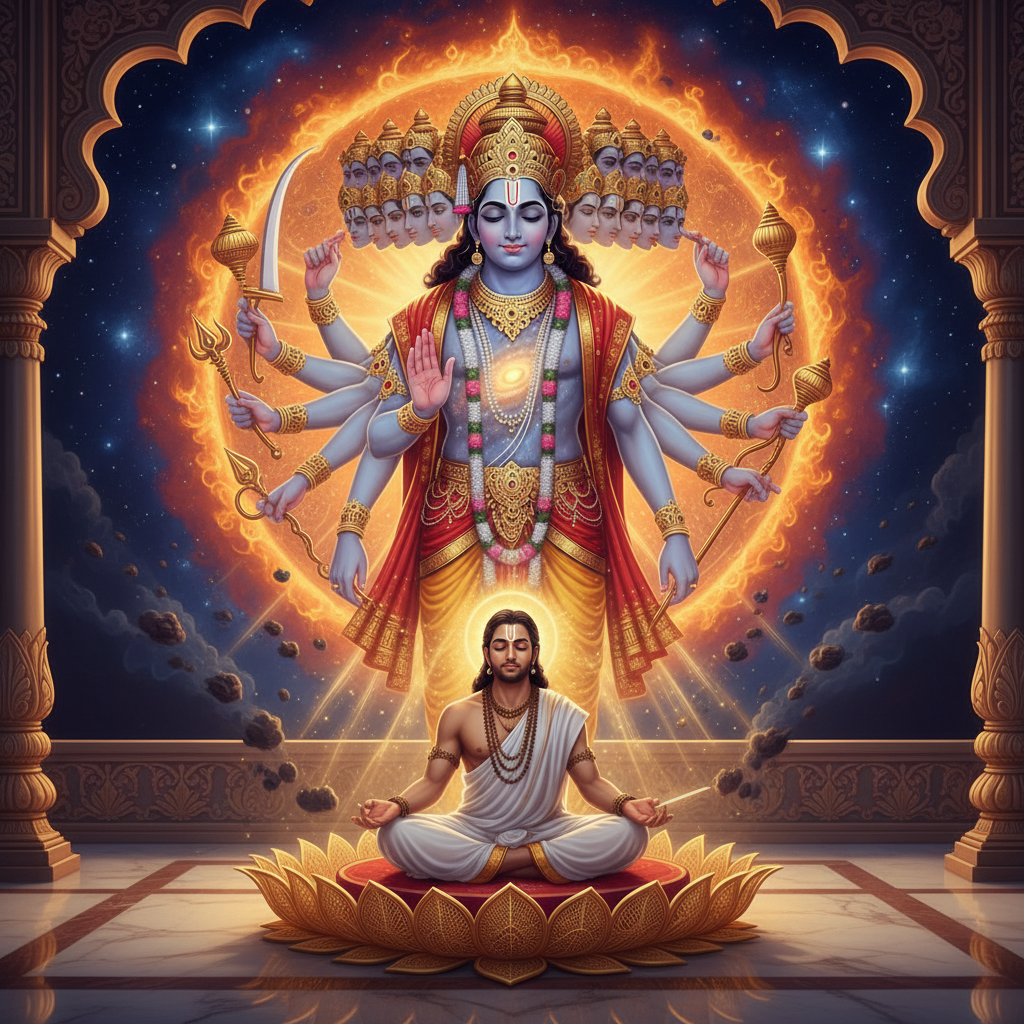
Ved Vyasa holds a place unlike almost any other figure in Hindu tradition, honoured both as a great sage and, in several Puranic accounts, as an avatar of Vishnu. Born to the sage Parashara and Satyavati, he is also known as Krishna Dwaipayana, a name referring to his complexion and his birth on a river island.
His title "Vyasa", meaning one who compiles or divides, was earned through his monumental work of organising India's most sacred oral knowledge into the form in which it has been preserved and passed down.
His Place Among Vishnu's Avatars
While the widely known Dashavatara counts ten principal avatars of Vishnu, several Puranas, including the Bhagavata Purana, describe a longer list of avatars, and Vyasa is named among them. He is understood to have descended specifically to organise and safeguard sacred knowledge at a time when human memory and unity were seen as insufficient to preserve the Vedas in their vast, undivided form.
This is why Vyasa is remembered less for miraculous feats and more for an immense intellectual and spiritual labour, a different, quieter kind of avatar whose purpose was preservation and clarity rather than confronting evil.
His Towering Body of Work
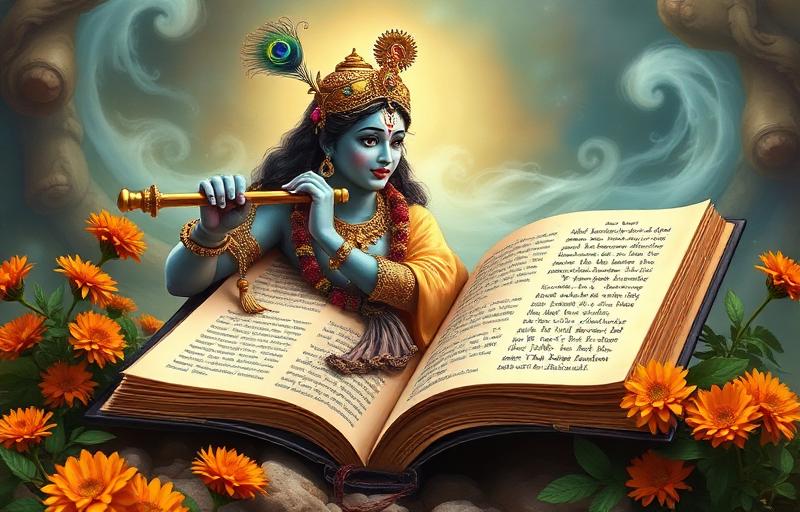
Tradition credits Vyasa with dividing the single, vast body of Vedic knowledge into four Vedas, Rig, Yajur, Sama and Atharva, making them easier to study and preserve. He is also honoured as the author of the Mahabharata, one of the world's longest epics, and as the compiler of the eighteen Maha Puranas and the Brahma Sutras.
- He organised the Vedas so they could be transmitted accurately across generations
- He composed the Mahabharata, which contains the Bhagavad Gita within it
- He is traditionally credited with compiling the Puranas that carry forward countless devotional stories
- He appears as a character within the Mahabharata itself, guiding key events
How Devotees Honour Him

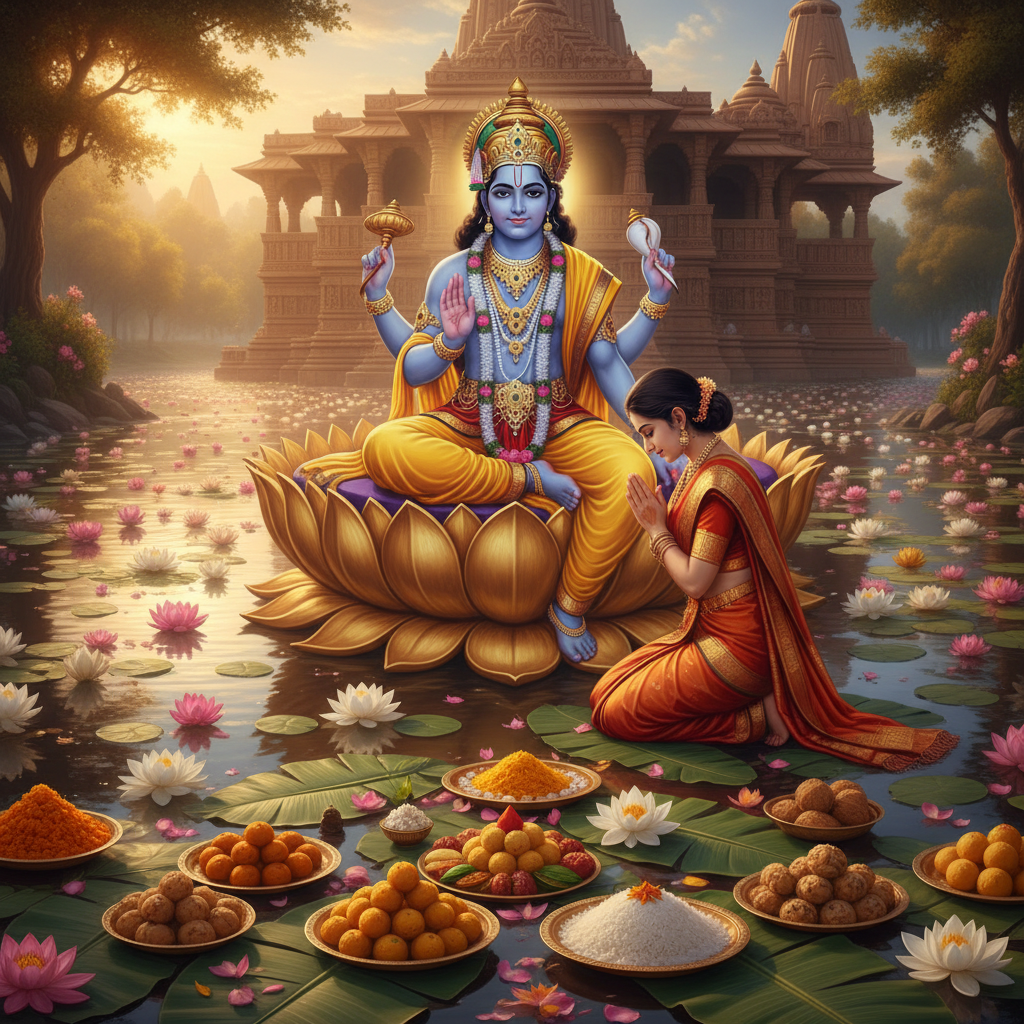
Guru Purnima, one of the most respected days in the Hindu calendar, is traditionally observed in honour of Vyasa's birth and his role as the guru of gurus, which is why it is also called Vyasa Purnima. On this day, students and devotees offer gratitude to their teachers and to the tradition of knowledge Vyasa is believed to have safeguarded.
Devotees often begin study of scripture with a prayer of gratitude to Vyasa, acknowledging that access to the Vedas, Puranas and epics today rests on his labour.
A Legacy That Still Shapes Devotion
Vyasa's life is a reminder that avatars are understood in Hindu tradition not only as warriors or miracle workers but also as those who serve through wisdom, patience and dedication to preserving what matters most. Every time a devotee reads the Gita or hears a Puranic story, that thread connects back to him.
Honouring Vyasa, whether through Guru Purnima or a simple moment of gratitude before study, remains an act of faith and love, not a transaction.
Reader Questions Answered
Is Ved Vyasa counted among the ten Dashavatara of Vishnu?+
No, the widely known Dashavatara lists ten avatars, and Vyasa is not typically among them. However, several Puranas describe a longer list of Vishnu's avatars in which Vyasa is included.
Why is Guru Purnima also called Vyasa Purnima?+
This day is traditionally observed as Vyasa's birth anniversary and honours his role as a foundational guru who organised sacred knowledge, so it is celebrated as a day of gratitude toward all teachers.
What is Vyasa most remembered for?+
He is remembered for dividing the Vedas into four, authoring the Mahabharata, and traditionally compiling the eighteen Puranas, an enormous contribution to preserving Hindu sacred knowledge.
About the author
Anjali Mehta · Editor, M.A. Religious Studies
Anjali is the managing editor for Vandnaa and oversees the festival and vrat coverage. She holds an M.A. in Religious Studies and reviews every published article for accuracy, accessibility, and tradition-fidelity.
Meet the Vandnaa editorial team →