What Is Bhakti?
Bhakti means loving devotion to God - a heartfelt relationship of love, trust and surrender. Of the great paths to the divine, the path of bhakti is praised as the simplest and most tender, open to everyone regardless of learning, caste or status. All it asks for is a loving heart.
The scriptures teach that bhakti is not a single act but takes nine forms, known as Navadha Bhakti. In the Ramcharitmanas, Lord Rama Himself lovingly describes these nine forms to the devotee Shabari, assuring her that even one practised with sincerity is enough to win His grace. This list shows that devotion has many doorways, and each of us can enter through the one that suits our nature.
The 9 Forms of Navadha Bhakti
Here are the nine forms of devotion, each in a single line:
- Shravana (listening) - hearing the names, glories, stories and lilas of God, as Parikshit did when listening to the Bhagavata.
- Kirtana (singing) - singing the praises and names of God, in bhajans, kirtans and chanting.
- Smarana (remembering) - constantly remembering God, keeping His name and form in the mind always.
- Pada-sevana (serving His feet) - serving the Lord and His devotees with humility, as Lakshmi serves Vishnu.
- Archana (worship) - offering ritual worship, puja, flowers, lamps and offerings to the deity.
- Vandana (prayerful bowing) - bowing down and offering reverent prayer and salutations to God.
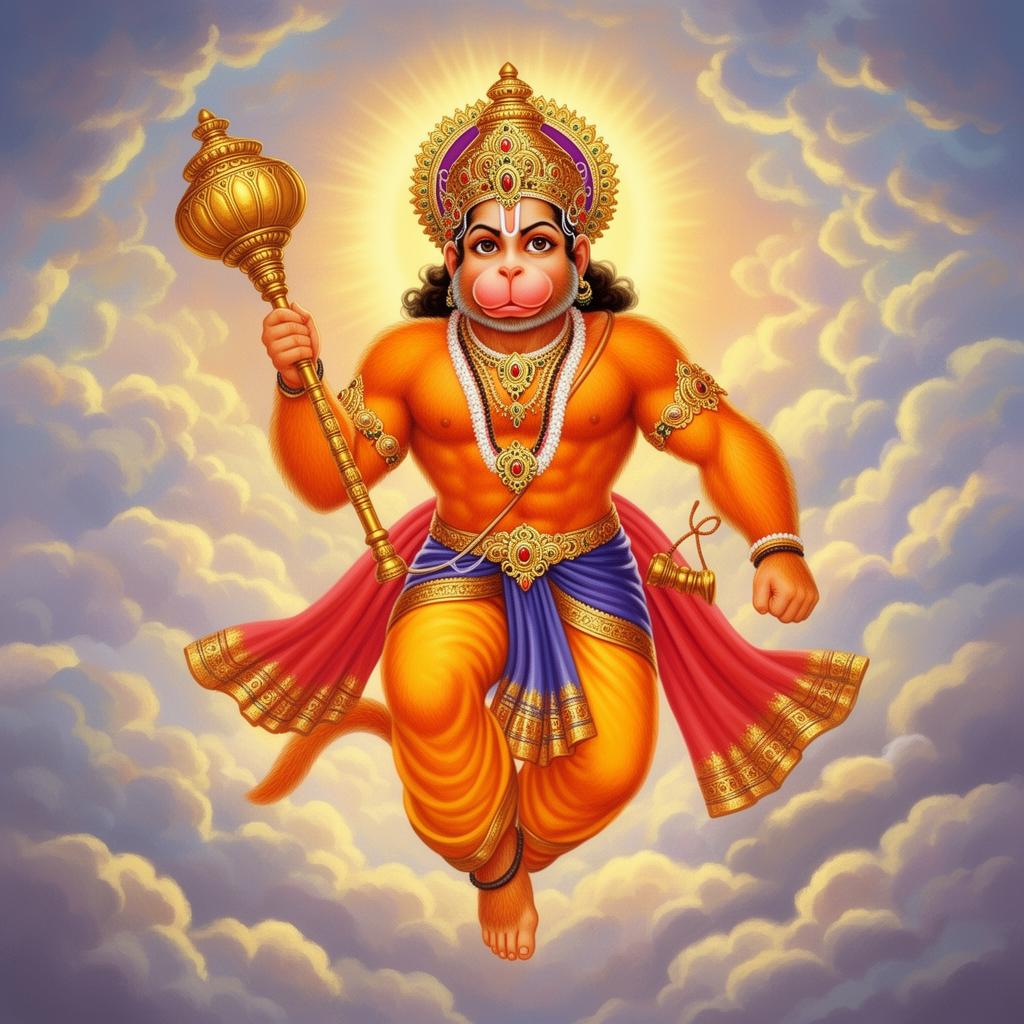
- Dasya (servitude) - serving God as a faithful servant serves a beloved master, as Hanuman serves Rama.
- Sakhya (friendship) - loving God as a dear friend, with open trust and affection, as Arjuna and Sudama loved Krishna.
- Atmanivedana (self-surrender) - the complete offering of oneself to God, holding nothing back, as King Bali surrendered all to Vamana.
Rama's Teaching to Shabari
The most beloved telling of Navadha Bhakti comes in the Ramcharitmanas, in the meeting of Lord Rama with Shabari, a simple, ageing devotee of the forest. She had waited her whole life to see Rama, and when He came, she offered Him berries she had lovingly tasted first to make sure they were sweet.
Rather than caring about ritual or status, Rama was moved by her pure love. He then lovingly taught her the nine forms of bhakti, telling her that He is bound only by devotion, not by birth or learning. Shabari's story is treasured because it shows that God looks at the love in the heart, not the grandeur of the offering. A humble berry offered with love reached Him more surely than the richest worship offered without it.
Bringing Navadha Bhakti into Daily Life

The beauty of Navadha Bhakti is that you do not need all nine forms - even one, practised with sincerity, opens the door to God. Here are simple ways to weave them into everyday devotion:
- Shravana & Kirtana - listen to a katha, aarti or bhajan, or sing along, even for a few minutes a day.
- Smarana - silently take God's name while walking, cooking or before sleep.
- Archana & Vandana - offer a simple daily puja, a lamp and flowers, and bow with a quiet prayer.
- Dasya & Pada-sevana - serve others, especially the needy and devotees, seeing the divine in them.
- Sakhya - speak to God as a trusted friend, sharing your joys and worries honestly.
- Atmanivedana - at the end of the day, offer all you did to God, keeping nothing for the ego.
This is why bhakti is called the easiest path: it asks not for great knowledge or wealth, but only for a loving heart that turns again and again toward the divine.
Frequently Asked Questions
What are the nine forms of Navadha Bhakti?+
The nine forms are shravana (listening), kirtana (singing), smarana (remembering), pada-sevana (serving the feet), archana (worship), vandana (bowing in prayer), dasya (servitude), sakhya (friendship) and atmanivedana (self-surrender).
Where is Navadha Bhakti described?+
Navadha Bhakti is most beloved in the Ramcharitmanas, where Lord Rama describes the nine forms to the devotee Shabari. A similar list of nine forms also appears in the Bhagavata Purana.
Do I need to practise all nine forms of bhakti?+
No. The scriptures assure that even one form of bhakti, practised with sincere love, is enough to win God's grace. You may choose whichever forms suit your nature and circumstances.
Why is bhakti called the easiest path to God?+
Because bhakti does not require great learning, wealth or status - only a loving, sincere heart. Open to everyone, it offers many simple forms, so anyone can turn to God through the one that suits them.
About the author
Pandit Ravindra Sharma · Vedic Rituals & Bhakti, 22+ years
Pandit Ravindra is the Vandnaa editorial team's resident specialist on aarti, chalisa, and daily devotion. He has performed home and temple pujas across Varanasi and Delhi for over two decades and contributes the bhakti-focused articles on this site.
Meet the Vandnaa editorial team →