Seva: When Service Becomes Worship
Seva comes from the Sanskrit root sev, meaning to serve, to attend upon, to honour. In Hindu dharma, seva is not social work with a religious label. It is worship itself, performed with hands instead of flowers. The famous saying Nar seva Narayan seva captures this perfectly: service to a human being is service to Narayan, the Lord who dwells in every heart. When you feed a hungry person, you are not helping someone beneath you; you are offering bhog to the divine standing before you in human form. This single shift of vision separates seva from every other kind of helping. The Bhagavad Gita calls such action nishkama karma - work done without craving reward. The server bows inwardly to the served, and both are lifted. Seva is bhakti in motion, the love of God expressed through the body.
Types of Seva: Anna Daan, Gau Seva, Temple Seva and More
Tradition recognises many doors into seva, so that every temperament finds one open: 1. Anna daan - feeding the hungry, called the maha daan (greatest gift) because no one can ever say they have received enough food for life. 2. Gau seva - caring for cows, feeding the first roti to gau mata, supporting gaushalas. 3. Temple seva - cleaning the mandir, stringing garlands, helping during aarti and festivals, washing utensils after prasad distribution. 4. Serving elders - pressing the feet of parents and grandparents, listening to them with patience; matru devo bhava, pitru devo bhava. 5. Serving the sick - sitting with patients, arranging medicines, comforting families; the helpless person is Narayan in his most hidden form. 6. Vidya daan - teaching a child without fee. Each type purifies a different knot in the heart: anna daan loosens greed, gau seva awakens tenderness, and serving elders dissolves pride.
Seva in the Scriptures and the Lives of Saints
The scriptures place seva at the summit of spiritual practice. In the Ramayana, Hanuman is the supreme sevak: his strength, wisdom and devotion all flow into one channel - the service of Shri Ram. He asks for nothing, not even moksha, only the chance to keep serving. Shabari spends a lifetime sweeping the path her Lord might one day walk. In the Mahabharata, Shri Krishna himself washes the feet of guests at Yudhishthira's Rajasuya yagna, showing that no one is too great to serve. The Bhagavata Purana praises service to devotees as dearer to the Lord than service to himself. India's saint traditions echo this everywhere: the Sikh Gurus, deeply respected across dharmic traditions, built langar, the free community kitchen where all sit on the same floor and eat the same food - a living parallel to anna daan that still feeds millions daily. Service of the saints, sant seva, is itself counted as the fastest path to grace.
Seva vs Charity: The Difference is Bhava
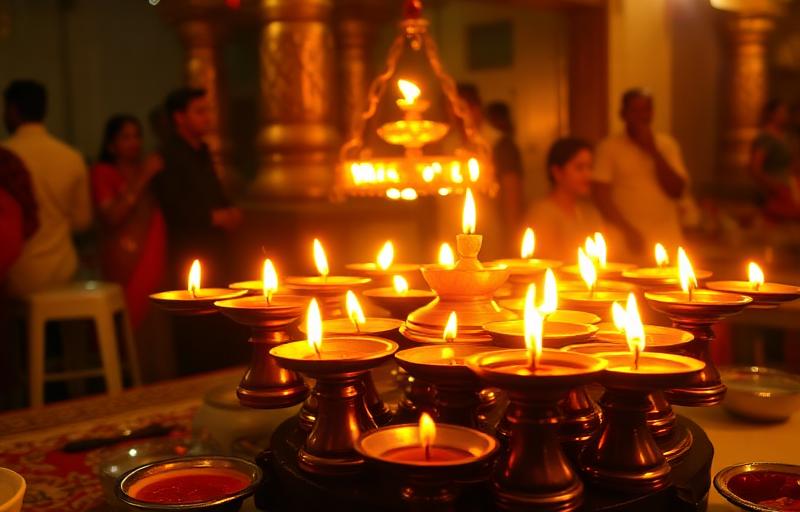
Charity and seva can look identical from outside - both feed, both give, both help. The difference lies in bhava, the inner attitude. In charity, the giver stands above and the receiver below; a subtle pride can ride along with the gift. In seva, the positions reverse: the served person is Narayan, and the server is the one receiving the privilege. Charity says, "I am helping you." Seva says, "Thank you for letting me serve the Lord in you." Charity often watches for results - recognition, tax receipts, gratitude. Seva offers the act itself to God and walks away from the fruit, as the Gita teaches. This is why traditions insist seva be done quietly, without announcing one's name, and why the server eats last at a bhandara. Charity can exhaust the giver; seva fills the giver, because the ego that gets tired is precisely what seva dissolves. Same hands, same food, different heart - and the heart is everything.
How to Begin a Seva Practice
Seva does not require wealth, an organisation, or free weekends. It requires intention. Here is a gentle way to begin: 1. Start at home - serve your own parents and elders first; the scriptures place them before all outer fields of seva. 2. Choose one fixed act - feed the first roti to a cow or a street dog daily, or keep a water pot filled for birds. Fixity turns an act into a practice. 3. Adopt a weekly slot - one hour at a temple, gaushala, hospital or old-age home every week, same day, same time. 4. Offer it before you do it - say mentally, "Prabhu, this is your seva, done for you," and after finishing, offer the act with Krishnarpanam astu or a simple thank you. 5. Keep it secret where possible - unannounced seva ripens fastest. 6. Stay regular over big - a daily handful of grain outweighs a once-a-year grand donation in shaping the heart.
The Inner Transformation Seva Brings
The deepest fruit of seva is not what happens to the served, but what happens to the server. Regular seva slowly performs an inner surgery that years of reading cannot. Pride softens: when you wash a floor or another's feet, the ego that needs to be important loses its grip. The heart widens: faces that were strangers begin to feel like family, because you have seen Narayan looking back through their eyes. Anxiety quietens: a mind absorbed in giving has no room left for its usual loops of worry. Gratitude grows: serving those with less makes your own complaints feel small. Saints say that seva polishes the mirror of the heart until the Lord's reflection becomes visible in it. This is why seva is prescribed even to advanced meditators - dhyana opens the inner eye, but seva keeps it clean. The server discovers, sometimes after years, the secret the tradition whispered all along: there was never anyone else being served.
Frequently Asked Questions
What does 'Nar seva Narayan seva' mean?+
It means service to a human being is service to Lord Narayan himself, because the divine dwells in every heart. Feeding, comforting or caring for any person, done with this vision, becomes direct worship of God.
What is the difference between seva and daan (charity)?+
The difference is bhava, the inner attitude. In charity the giver feels above the receiver and may expect recognition. In seva the served person is seen as Narayan, the act is offered to God, and no fruit is expected. Seva dissolves the ego; charity can sometimes feed it.
Why is anna daan called the greatest daan?+
Scriptures call anna daan the maha daan because food sustains life itself, and because hunger returns daily, the opportunity and merit of feeding others is endless. Every other gift can be measured; the satisfaction of a fed person blesses the giver directly.
Who is considered the supreme sevak in Hindu tradition?+
Hanuman ji is revered as the supreme sevak. All his immense strength and wisdom flow into one purpose - the service of Shri Ram. He asks for no reward, not even moksha, only the blessing of continued seva, making him the eternal model for every devotee.
Can I do seva without money or much free time?+
Yes. Seva needs intention, not wealth. Serving your own parents, feeding the first roti to a cow, keeping water for birds, teaching a child, or sitting with someone who is ill are all full seva. Small, regular acts shape the heart more than rare grand gestures.
Should seva be done secretly?+
Tradition strongly favours quiet, unannounced seva. When service is publicised, the subtle reward of recognition is already taken, and the inner fruit shrinks. Seva done silently, with the act offered to God alone, purifies the heart fastest.
About the author
Pandit Ravindra Sharma · Vedic Rituals & Bhakti, 22+ years
Pandit Ravindra is the Vandnaa editorial team's resident specialist on aarti, chalisa, and daily devotion. He has performed home and temple pujas across Varanasi and Delhi for over two decades and contributes the bhakti-focused articles on this site.
Meet the Vandnaa editorial team →