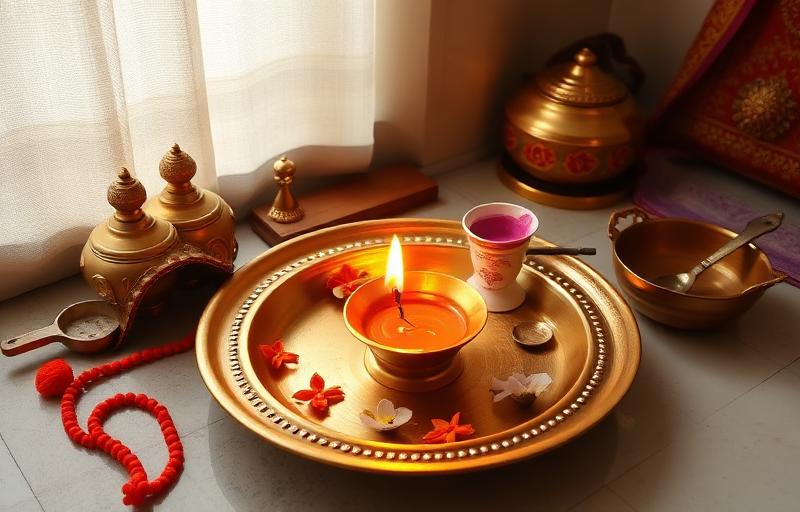
Why Worshipping the Deity Pacifies the Planet
In Vedic astrology the grahas are not gods themselves - they are instruments of karma. Each graha has an adhidevata (presiding deity) who governs its energy. When a planet is weak or troubled in your chart, worshipping its deity is considered the most sattvic remedy: instead of fighting the planet's effect, you receive the deity's grace, which softens the karma itself.
This is why tradition prefers deity worship, mantra japa, daan (charity) and vrat over gemstones for most people - they carry no risk and purify the mind along the way.
The Nine Planets and Their Deities
- Sun (Surya) - Deity: Surya dev / Lord Rama. Worship: Sunday arghya to the rising sun, Aditya Hridaya Stotra. For: health, confidence, father's welfare, government favour.
- Moon (Chandra) - Deity: Lord Shiva / Devi Parvati. Worship: Monday Shiva puja, wear white, offer milk. For: peace of mind, mother's welfare, emotional stability.
- Mars (Mangal) - Deity: Hanuman ji / Kartikeya. Worship: Tuesday Hanuman Chalisa, red flowers, boondi offering. For: courage, property matters, blood-related health, sibling harmony.
- Mercury (Budh) - Deity: Lord Vishnu / Ganesha. Worship: Wednesday Vishnu or Ganesha puja, green items, durva. For: intellect, speech, business, education.
- Jupiter (Guru/Brihaspati) - Deity: Brihaspati / Lord Vishnu / your Guru. Worship: Thursday Guruvar vrat, yellow offerings, banana and chana daan. For: wisdom, children, marriage, prosperity, a good teacher.
- Venus (Shukra) - Deity: Goddess Lakshmi. Worship: Friday Lakshmi puja, white sweets, lotus. For: wealth, marriage happiness, comfort, arts.
- Saturn (Shani) - Deity: Shani dev / Hanuman ji. Worship: Saturday oil lamp under a peepal, black sesame daan, Hanuman Chalisa. For: career stability, relief in Sade Sati, justice.
- Rahu - Deity: Devi Durga / Saraswati. Worship: Durga Saptashati path, coconut offering on Saturday or Wednesday. For: sudden obstacles, confusion, foreign matters.
- Ketu - Deity: Lord Ganesha / Matsya Vishnu. Worship: Ganesha atharvashirsha, flag offerings at Ganesha temples. For: spiritual growth, hidden enemies, mysterious ailments.
Simple Remedies Anyone Can Do
You do not need an expensive graha shanti puja to begin. The most respected remedies are free:
1. Weekly deity day: observe the weekday of your troubled planet's deity (see our weekday guide). 2. Mantra: chant the planet's beej mantra or its deity's mantra 108 times on that day. 3. Daan: donate the planet's item on its day - wheat/jaggery for Sun, rice/milk for Moon, red lentils for Mars, green moong for Mercury, chana/turmeric for Jupiter, white sweets/rice for Venus, black sesame/oil for Saturn. 4. Seva: serve the beings the planet rules - father/authority for Sun, mother for Moon, workers and the needy for Saturn.
Consistency for 40 days (one mandala) is the traditional minimum for a remedy to show effect.
Quick Answers
Which god should I worship for Jupiter (Guru)?+
Jupiter's presiding deities are Brihaspati dev and Lord Vishnu. Keep the Thursday (Guruvar) vrat, wear yellow, offer banana and chana dal, chant Om Gurave Namah or Om Namo Narayanaya, and respect teachers and elders - tradition says honouring the guru is the strongest Jupiter remedy.
Which god should I worship for Mercury (Budh)?+
Mercury's deities are Lord Vishnu and Ganesha. Worship on Wednesday, offer durva grass and green items, chant Om Budhaya Namah or Om Gan Ganapataye Namah. Mercury remedies help with studies, speech, business and analytical work.
Do I need a gemstone, or is deity worship enough?+
For most people, deity worship, mantra, daan and vrat are sufficient and completely safe. Gemstones act strongly and can have adverse effects if prescribed wrongly - wear one only on a qualified jyotishi's advice after checking your full chart.
About the author
Acharya Vinaya Kapoor · M.A. Sanskrit, Mantra & Stotra Studies
Acharya Vinaya holds an M.A. in Sanskrit from Banaras Hindu University and writes the mantra and stotra commentary on Vandnaa. Her focus is on accurate pronunciation, traditional context, and helping modern readers connect with classical texts.
Meet the Vandnaa editorial team →