
A Familiar Sight at Every Puja
From the inauguration of a new shop to the start of a long journey, from a housewarming to a wedding, one thing shows up almost everywhere in Hindu ritual: a coconut, broken on the ground or against a stone, right before or during the puja.
The coconut is called sriphal, meaning the fruit of Sri or Lakshmi, the goddess of prosperity. It is placed on a kalash, offered to the deity, or broken outright as part of the ceremony, depending on the occasion and region.
The Reasoning Rooted in Tradition
Tradition holds the coconut in high regard because of its unique structure: a rough, fibrous outer shell protecting a pure white kernel and water inside. It is considered one of the purest fruits to offer since it is sealed from the outside world until it is opened, making it naturally free of impurity.
Because a whole, unbroken coconut is offered, breaking it in front of the deity is seen as completing the offering, opening it up to share the pure contents as prasad. This is why it is broken specifically at the moment of worship rather than beforehand.
What Breaking the Coconut Symbolises
The deeper symbolism goes further. The hard, hairy shell of the coconut is seen as representing the human ego, our layers of pride, stubbornness and self-centred thought. Breaking it before God is understood as an act of surrendering that ego, offering the pure, humble self within, represented by the sweet white kernel.
This is why the coconut is considered especially fitting at the start of new ventures: it is a devotee's way of saying that the effort begins with humility, not arrogance, and with faith placed above the outcome.
How the Custom Continues Today
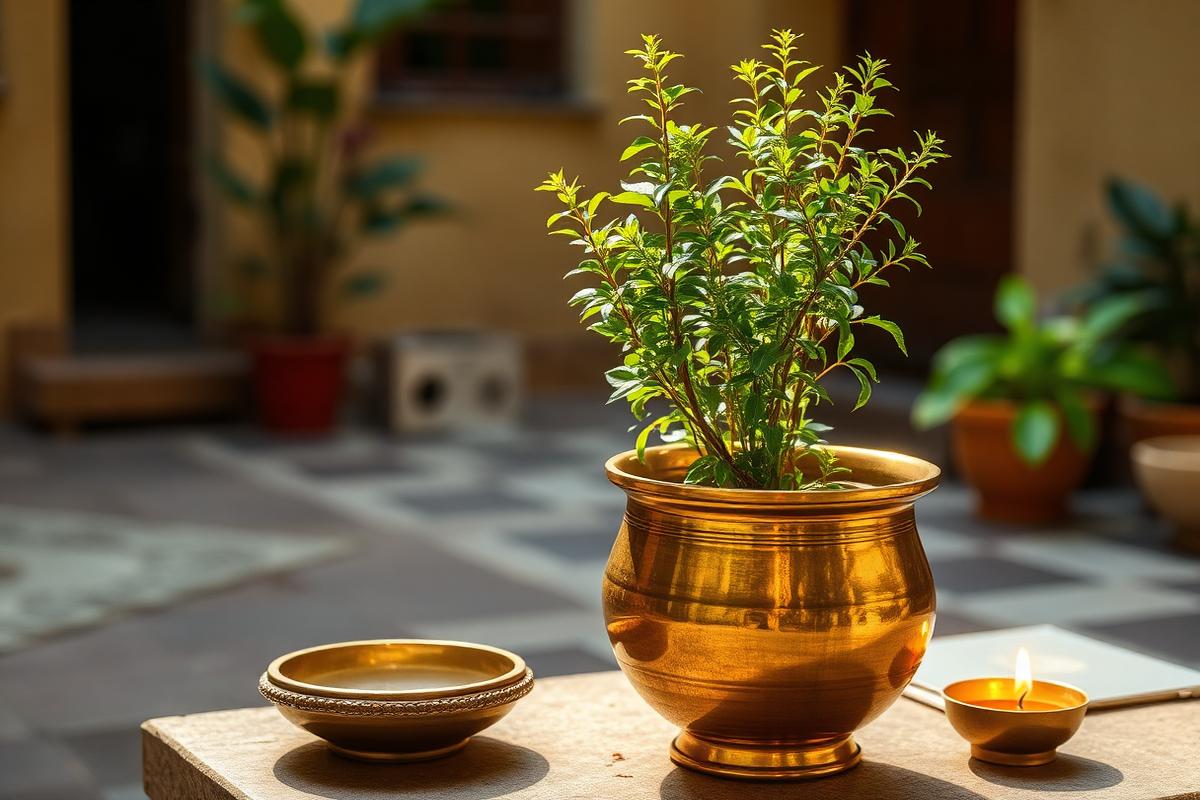
The coconut remains a fixture at nearly every Hindu ceremony. It is common to see it:
- Placed atop a kalash (sacred pot) during puja, symbolising the presence of the divine
- Broken at temple entrances or before starting construction on a new home
- Offered whole to rivers, especially during festivals connected to water bodies
- Broken before a vehicle's first drive or a business's opening day
After breaking, the water and kernel are usually distributed as prasad, so the fruit's purity is literally shared among everyone present.
An Offering of the Self
A coconut costs very little, yet what it represents is priceless: the willingness to set aside ego and offer oneself, humbly and sweetly, before God. That is perhaps why this small ritual has survived unchanged for so long, across every region and every occasion.
The next time a coconut is broken at a puja, it is worth remembering that the real offering is not the fruit itself, but what it stands for. Worship is an act of faith and love, not a transaction.
Frequently Asked Questions
Why is a coconut called sriphal?+
Sriphal means the fruit of Sri, another name for Goddess Lakshmi. The coconut is associated with her and with prosperity, which is why it holds a special place among puja offerings.
What does breaking a coconut symbolise?+
The hard shell is seen as representing ego and pride, while the sweet kernel inside represents the humble true self. Breaking it before God symbolises surrendering the ego and offering that pure self.
Why is coconut used at the start of new ventures?+
As per tradition, breaking a coconut at the start of a journey, business or construction is a way of beginning with humility and seeking blessings, rather than starting with pride in one's own ability.
About the author
Pandit Mahesh Trivedi · Festival Traditions & Panchang
Pandit Mahesh leads the festival-date and Panchang content on Vandnaa. He cross-references multiple regional panchangs (Drik, Vaishnava, Bengali, Marathi) for every festival date published on the site.
Meet the Vandnaa editorial team →