The Sound That Opens Worship
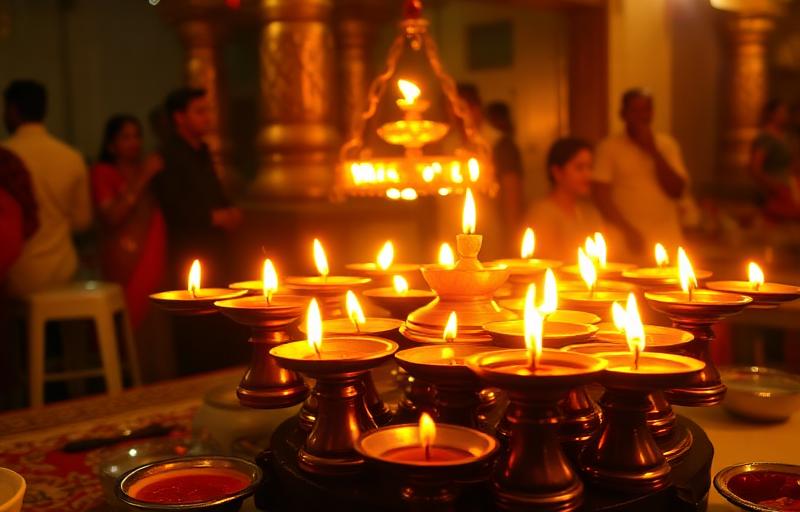
Just before an aarti begins, or at key moments during a puja, a deep resonant sound often fills the air first, the blow of a conch shell, or shankha. Held to the lips and blown like a horn, it produces a long, carrying tone that can be heard well beyond the room it is played in.
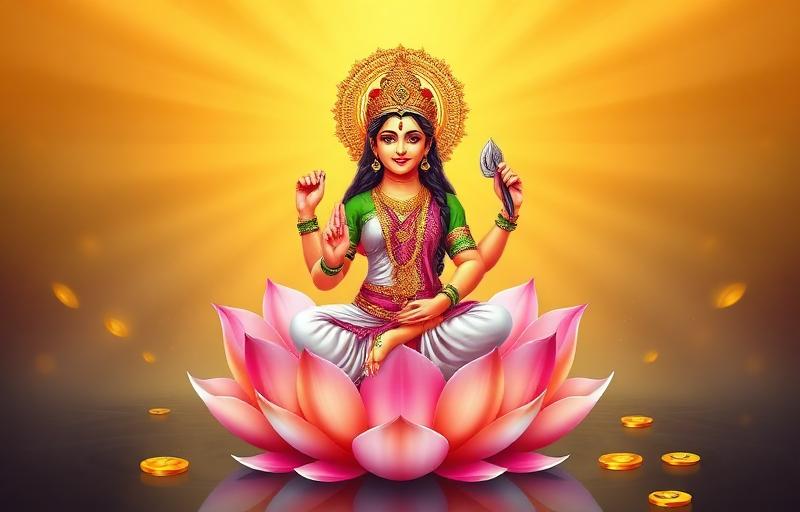
The shankha is not just a musical instrument. It is one of Vishnu's own attributes, held in one of his four hands, and its sound is treated as sacred in its own right, capable of marking a moment as set apart from ordinary time.
Its Place in Scripture and Tradition
In the Mahabharata, each great warrior is described as having his own named conch, sounded before the start of battle, Krishna's Panchajanya and Arjuna's Devadatta among the most well-known. The sounding of conches together marked a moment of resolve and significance, a tradition Hindu worship echoes in its own way.
Just as those conches announced a great undertaking was about to begin, blowing the shankha before puja is understood as announcing that a sacred act is starting, inviting the divine and setting worldly distractions aside.
What the Conch's Sound Symbolizes
The shankha's sound is often likened to the sound of Om itself, the primal vibration of creation, made physical through breath and shell. Blowing it is traditionally believed to purify the surrounding atmosphere and drive away negative energy before worship begins.
Its natural spiral shape is also read symbolically, an unbroken curve without a fixed beginning or end, echoing the eternal, cyclical nature of the universe as understood in Hindu cosmology. In this way, the conch is both an instrument and a small model of creation itself.
How the Conch Is Used in Worship Today
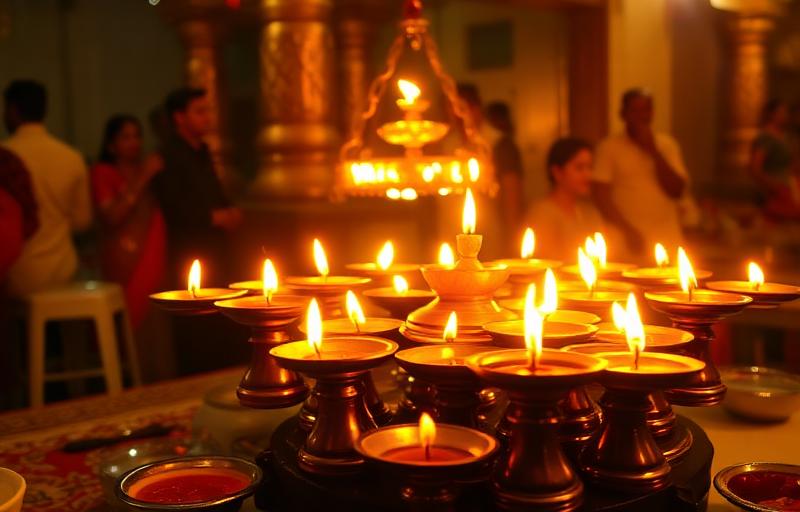
The shankha continues to be a familiar presence in Hindu ritual life.
- Blown at the start of aarti in temples and many homes
- Filled with water and used to offer abhishek to deities
- Sounded during weddings and other important ceremonies
- Kept on home altars alongside other sacred objects
- Blown to mark the arrival of an auspicious moment, such as the beginning of a festival
A Sound That Announces Devotion
The conch's single, sustained note carries something words cannot, an announcement that something sacred is about to happen. In that sense, it is sound offered even before any formal prayer begins, an act of faith and love, not a transaction.
Frequently Asked Questions
Who is associated with the conch named Panchajanya?+
Panchajanya is the conch traditionally associated with Krishna, sounded in the Mahabharata before the start of the Kurukshetra war, and remains one of Vishnu's iconic attributes.
Why is the conch blown before aarti rather than during it?+
Blowing it beforehand is traditionally understood as announcing that worship is about to begin, purifying the space and gathering attention before the aarti itself starts.
Are all conches used in the same way?+
Most conches are used for blowing or for holding water during rituals, though rare right-spiraled dakshinavarti conches are especially treasured and kept for worship.
About the author
Acharya Vinaya Kapoor · M.A. Sanskrit, Mantra & Stotra Studies
Acharya Vinaya holds an M.A. in Sanskrit from Banaras Hindu University and writes the mantra and stotra commentary on Vandnaa. Her focus is on accurate pronunciation, traditional context, and helping modern readers connect with classical texts.
Meet the Vandnaa editorial team →