Why We Cover the Head
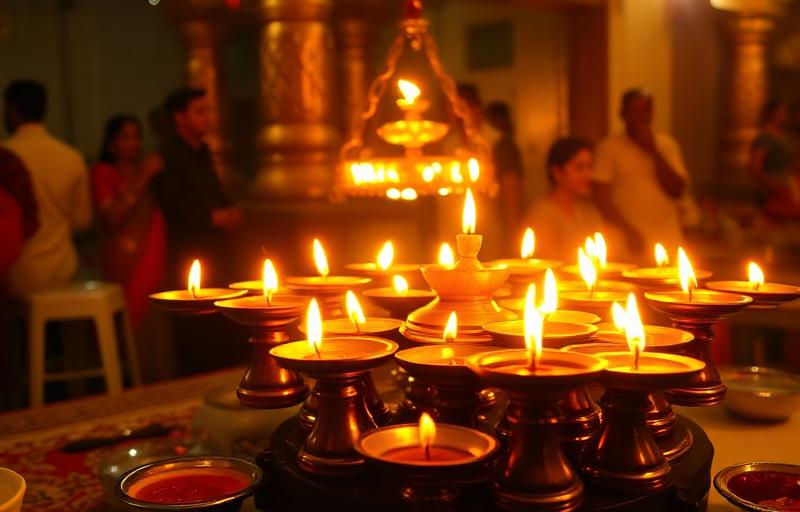
Covering the head with a cloth, dupatta, pallu or cap before a deity is a long-standing mark of reverence and humility in Hindu worship. When we stand before God, we lower ourselves in spirit, and covering the head is the body's way of showing that bowed, respectful state of mind.
The same gesture is offered before elders, gurus and sacred fire, and is widely practised at temples, during puja, while reading scripture and at ceremonies. It is not a rigid rule everywhere, but a heartfelt custom carried lovingly across generations as a sign that we come before the divine with respect, not casualness.
Respect, Humility & Focus
The custom carries several layers of spiritual meaning.
- Respect for the divine: Covering the head is like bowing - it tells the deity, the guru and the gathering that we approach with reverence.
- Humility before God: It quietly sets aside vanity about one's appearance and reminds us that we come not to be seen, but to pray.
- Inner focus: A covered head gently shuts out distraction and helps the mind settle into a prayerful, inward mood.
- A sense of the sacred: The simple act marks the moment as holy and different from ordinary time.
In this way the covered head supports the very purpose of worship - to stand before the divine with a calm, humble and focused heart.
Traditional Reasons
Beyond reverence, tradition offers practical wisdom for the custom.
- Keeping the space clean: A covered head keeps loose hair from falling onto the sacred floor, the offerings or the prasad during puja.
- Calm and protection: During long puja, havan or sitting in the sun for outdoor rituals, a cloth over the head keeps one cool, calm and protected.
- A settled mind: Tradition holds that lightly covering the crown helps conserve one's energy and steadiness during prayer and japa.
- Modesty and dignity: Dressing modestly, including covering the head, reflects the dignity and restraint expected in a sacred setting.
These practical reasons sit naturally alongside the spiritual ones, so that the gesture serves both the body and the soul.
Who Covers the Head & How
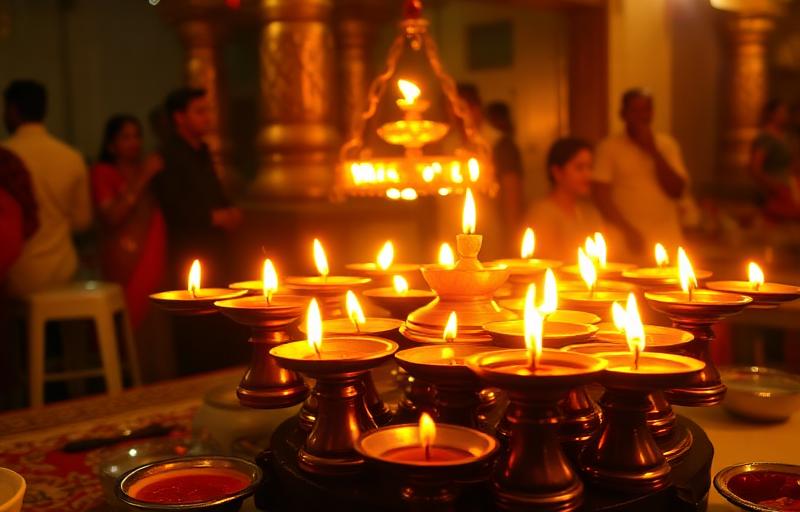
- Women traditionally draw the pallu of the saree or a dupatta over the head before the deity, especially in temples and during family puja.
- Men, in many traditions, cover the head with a cloth, gamcha, turban (pagri) or a cap during puja, havan and at certain temples and shrines.
- At specific shrines: Some temples and dhams ask all devotees to cover the head as a rule; cloths are often provided at the entrance.
- During rituals: The head is commonly covered during havan, mantra chanting, reading scripture, and ceremonies like weddings and shraddh.
The practice varies by region, community and tradition, and is not enforced everywhere. Where it is observed, doing it with sincerity - as a sign of respect and humility - is what truly matters.
Frequently Asked Questions
Why do we cover the head in a temple or during puja?+
Covering the head is a mark of reverence and humility before the deity, much like bowing. It also helps the mind settle into a prayerful, inward mood and marks the moment as sacred and different from ordinary time.
Do both men and women cover the head?+
Yes, in many traditions. Women draw the pallu or a dupatta over the head, while men may use a cloth, gamcha, turban or cap during puja, havan and at certain shrines. The practice varies by region and community.
Is covering the head compulsory in all temples?+
No. It is a heartfelt custom rather than a universal rule. Some specific shrines and dhams require it and often provide a cloth at the entrance, while at many temples it is followed by choice as a sign of respect.
Is there a practical reason behind covering the head?+
Yes. A covered head keeps loose hair from falling onto offerings and the sacred floor, keeps one cool and calm during long puja or havan, and reflects the modesty and dignity expected in a sacred setting.
About the author
Pandit Mahesh Trivedi · Festival Traditions & Panchang
Pandit Mahesh leads the festival-date and Panchang content on Vandnaa. He cross-references multiple regional panchangs (Drik, Vaishnava, Bengali, Marathi) for every festival date published on the site.
Meet the Vandnaa editorial team →