More Than Just a Hello
When two people meet in India, especially in a Hindu household, a common greeting is not a handshake but a simple joining of the palms in front of the chest, often with a slight bow of the head, accompanied by the word "namaste".
It is used to greet elders, guests, friends, and even strangers. It is also how devotees greet a deity at a temple or a home altar, which hints at something deeper than an everyday hello.
Where the Word and Gesture Come From
The word namaste comes from Sanskrit, combining "namah" (bow or salutation) and "te" (to you), so it literally means "I bow to you." Tradition holds that joining both palms together brings the left and right sides of the body, often associated with different aspects of the self, into balance and unity before greeting another person.
This gesture appears in ancient texts and sculpture as a mark of respect offered not just to elders but to sages, teachers and the divine, which is why it carries the same weight whether used to greet a grandmother or a deity.
The Deeper Meaning Behind Joined Palms
At its heart, namaste carries a beautiful idea: that the divine spark within one person bows in recognition of the same divine spark within another. This is sometimes explained as "the light in me honours the light in you," acknowledging that every person carries something sacred within them, not just gods in temples.
Unlike a handshake, namaste requires no physical contact, which also made it a naturally respectful and hygienic way to greet people of all ages and standing, from a small child to the eldest member of the family.
Namaste in Everyday Life Today
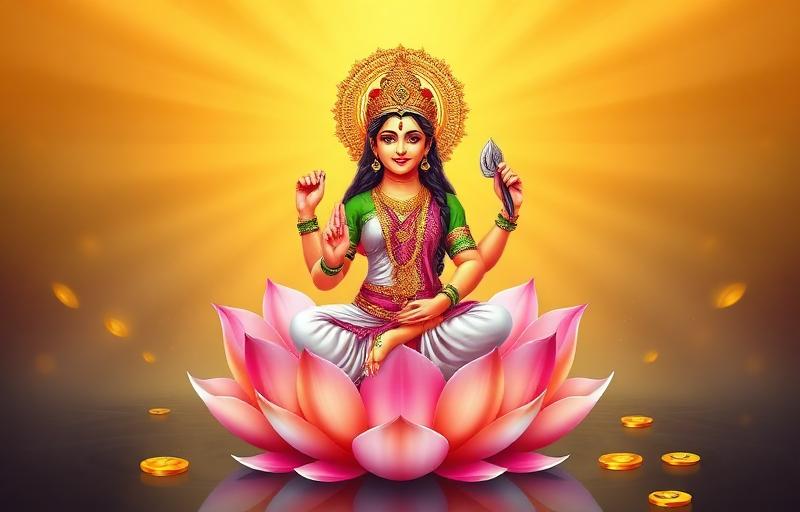
The gesture is used differently depending on context:
- A simple namaste with a slight nod for greeting friends or acquaintances
- A deeper bow with joined palms raised toward the forehead when greeting elders or seeking blessings
- Joined palms raised above the head briefly when greeting a deity or standing before a temple sanctum
- A soft namaste, often silent, used when entering someone's home as a guest
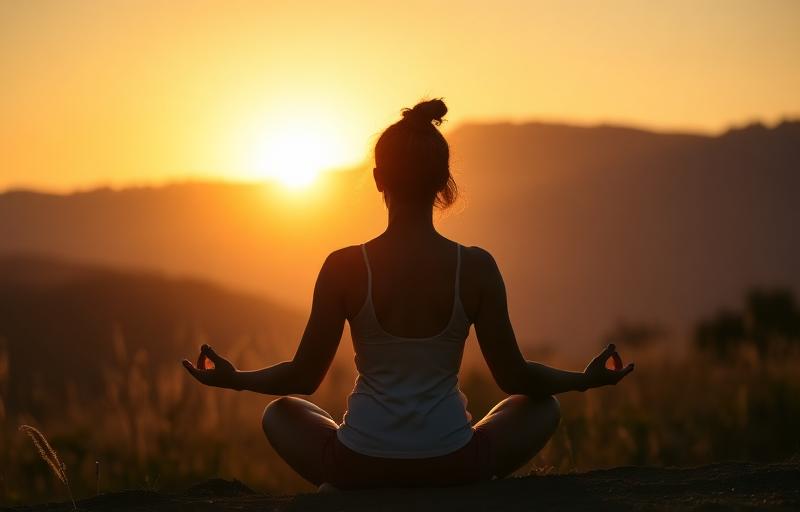
Even outside India, namaste has been widely adopted, especially in yoga and wellness spaces, though its original context remains rooted in Hindu tradition and everyday respect.
A Gesture That Honours the Divine in Everyone
In a world of quick hellos and hurried greetings, namaste asks for a small pause, hands joined, head slightly bowed, a moment of genuine acknowledgment of another person. That pause is its real gift.
Whether said to a stranger, a grandparent or the deity at home, namaste carries the same quiet truth: that respect and devotion are acts of faith and love, not a transaction, and they begin with recognising the sacred in others.
Common Questions From Devotees
What does namaste literally mean?+
Namaste comes from Sanskrit "namah" meaning bow or salutation and "te" meaning to you, so it literally translates to "I bow to you," recognising the sacred within the other person.
Why are the palms joined together for namaste?+
Joining both palms is traditionally seen as bringing the two sides of the self into balance before greeting another, and it is also a respectful gesture that requires no physical contact.
What is the difference between namaste and pranam?+
Namaste is a general greeting exchanged between equals, while pranam is a deeper gesture of respect shown to elders, teachers or the divine, sometimes including touching the feet or a bow.
About the author
Anjali Mehta · Editor, M.A. Religious Studies
Anjali is the managing editor for Vandnaa and oversees the festival and vrat coverage. She holds an M.A. in Religious Studies and reviews every published article for accuracy, accessibility, and tradition-fidelity.
Meet the Vandnaa editorial team →