What a Vrat Really Means
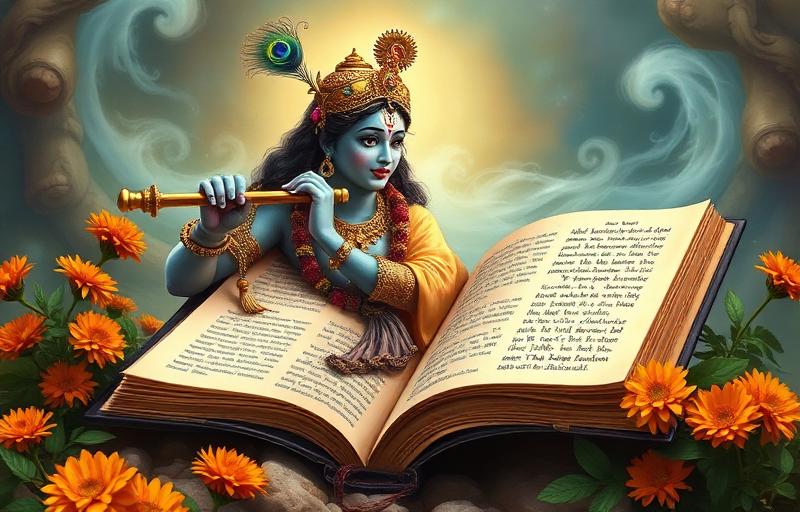
The Sanskrit word vrat means a vow or a resolve, not merely going without food. When a devotee keeps a vrat, the fasting is the outer form of an inner promise - to remember the deity, to control the senses and to keep the mind pure for that day.
Fasting appears throughout Hindu life: weekly fasts tied to a deity (Monday for Shiva, Tuesday for Hanuman, Thursday for Vishnu and Brihaspati), tithi fasts like Ekadashi and Pradosh, and festival fasts like Navratri, Karwa Chauth and Shivratri. In every case the food we give up is the smallest part - the real vrat is the discipline and devotion behind it.
The Spiritual Significance
Fasting is a tool to turn the senses inward. When the body is not busy with eating and digesting, the mind is freer for prayer, japa and meditation.
- Discipline of the senses: By choosing what to give up, we learn that we are masters of the body, not its servants.
- Focus on the divine: Hunger itself becomes a reminder - each time we feel it, we remember the deity and the vow.
- Purification: A vrat is seen as cleansing the mind of restlessness, anger and excess, leaving it calm and sattvic.
- Devotion and surrender: Keeping the vow with love is an offering, a small tapasya laid at the deity's feet.
The Gita praises moderation - one who is regulated in eating, rest and effort finds peace. A vrat is that regulation practised with devotion.
Health & Traditional Benefits
Tradition has always paired the spiritual purpose of a vrat with practical wisdom about the body and the seasons.
- Rest for the digestive system: A periodic break from heavy meals gives the stomach and digestion a chance to rest and reset.
- Light, satvik food: Most vrats allow fruit, milk, nuts and simple foods, which are easy to digest and keep the body light.
- Seasonal alignment: Many fasting days fall at the change of seasons (like Navratri at the equinoxes), when lighter eating helps the body adjust.
- Mindful eating: A vrat breaks the habit of constant snacking and teaches us to eat with awareness and gratitude.
These benefits are best enjoyed in moderation. Fasting is meant to uplift, not to harm - it should always be adapted to one's health.
How to Observe a Vrat
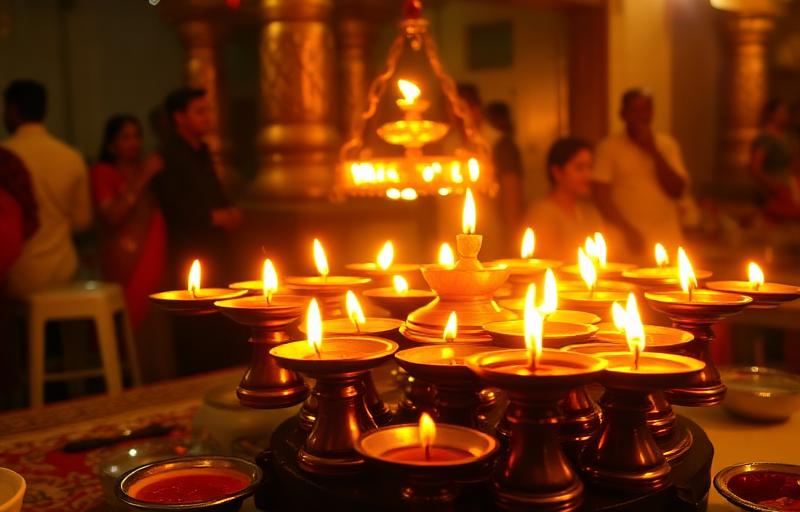
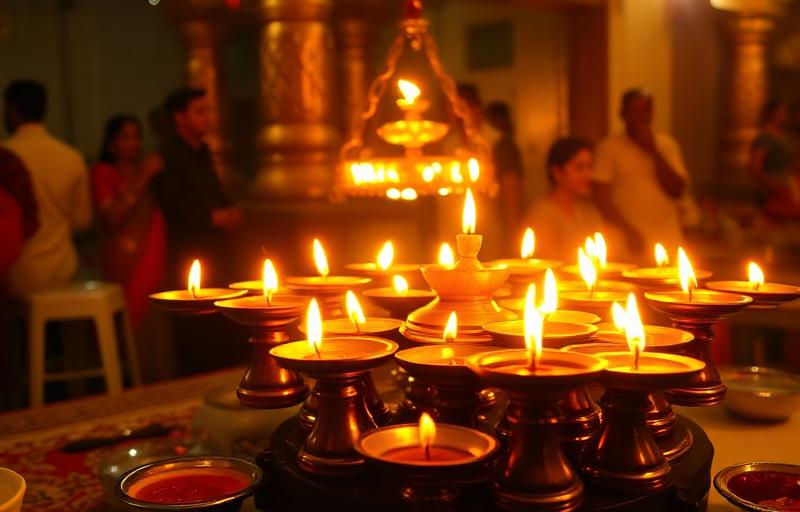
1. Take a sankalp: In the morning, bathe and resolve before the deity to keep the vrat with devotion. 2. Choose your fast: A vrat may be nirjala (no water), phalahar (fruit and milk), or one satvik meal a day - choose what suits your health and tradition. 3. Keep the mind pure: Spend the day in japa, reading scripture, listening to the vrat katha and avoiding anger and harsh speech. 4. Do the puja: Worship the deity of the day with flowers, a lamp and the proper mantra; offer bhog and read the katha. 5. Break the fast with care: End the vrat at the prescribed time (paaran) with simple, light food and gratitude.
If you are unwell, pregnant, elderly or a child, keep only a light symbolic fast - the intention and devotion matter most, never strain to the body.
Common Questions From Devotees
Why do Hindus fast on certain days?+
Each fasting day is linked to a deity or a sacred tithi - Monday for Shiva, Tuesday for Hanuman, Thursday for Vishnu, Ekadashi for Vishnu and so on. Fasting on that day focuses the mind on the deity and is believed to bring their blessings.
Is fasting only about not eating?+
No. The word vrat means a vow. Giving up food is only the outer form - the real practice is controlling the senses, keeping the mind pure, and remembering the divine through japa, prayer and good conduct.
What can I eat during a vrat?+
It depends on the fast. A nirjala vrat allows nothing, not even water. A phalahar vrat allows fruit, milk, nuts and vrat-friendly foods like kuttu, sabudana and singhara. Some keep one simple satvik meal. Choose what suits your health.
Should everyone keep a strict fast?+
No. Fasting is meant to uplift, not to harm. The unwell, pregnant women, the elderly and children should keep only a light or symbolic fast. In Hindu tradition the intention and devotion matter far more than the severity of the fast.
About the author
Anjali Mehta · Editor, M.A. Religious Studies
Anjali is the managing editor for Vandnaa and oversees the festival and vrat coverage. She holds an M.A. in Religious Studies and reviews every published article for accuracy, accessibility, and tradition-fidelity.
Meet the Vandnaa editorial team →