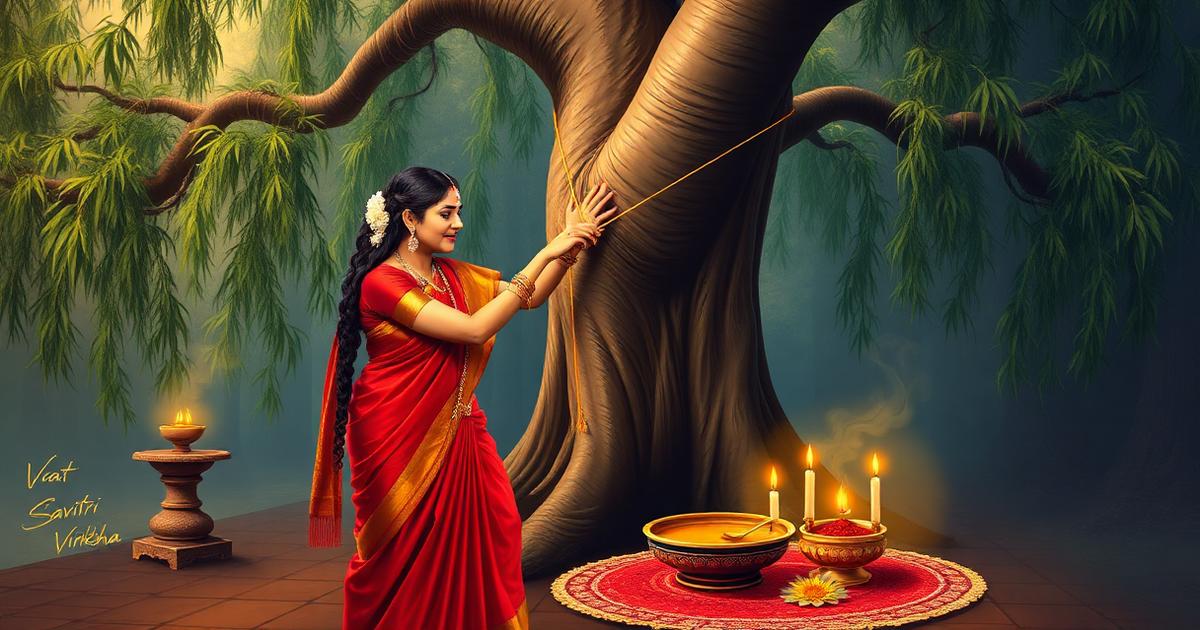
Reason 1: Visible Marriage Status + Suhag Marker
Bangles are one of the three core sumangali (married woman) markers along with sindoor and mangalsutra. The single most visible difference between a married and unmarried Hindu woman's wrists is the presence of bangles - particularly the red/glass set, or in some traditions a single gold kada that signals 'married'. Unmarried girls also wear bangles but typically fewer, lighter, and in a wider range of colours/designs. The married woman wears specifically auspicious sets: red, green, gold, or the regional sumangali colour.
The vow-energy of bangles is renewed at every major life event - puja days, festivals, husband's birthday, anniversaries. The bride receives her first complete sumangali set at her wedding (chuda ceremony in Punjabi tradition, shakha-pola in Bengali, gajulu in Telugu). These first bangles often have ritual restrictions: in Punjabi tradition, the bride wears her wedding chuda continuously for 40 days minimum; in Bengali tradition, the shakha (white conch) and pola (red coral) are never both removed simultaneously while the husband is alive.
A woman whose bangles break during normal use is traditionally believed to face a small caution (her vow has been 'disturbed'); she replaces them as soon as possible. A widow's first act of mourning is the ceremonial breaking of bangles - the visible sign that the marriage covenant has ended. This is a brutally clear symbolism but it shows just how deeply bangles are tied to marriage in Hindu tradition.
Reason 2: Wrist Acupressure + Energy Flow
The wrist contains multiple acupressure points that affect heart rate, mental calm, and menstrual regularity. Continuous gentle pressure from bangles - especially when worn in stacks of 4-8 on each wrist - keeps these points engaged throughout the day. The friction of bangles rubbing against each other and against the wrist skin during normal arm movement creates micro-stimulation that traditional Ayurveda links to:
1. Better blood circulation in the hands (cold-hand sufferers find relief with consistent bangle-wearing) 2. Reduced anxiety and emotional regulation (the wrist's heart-related acupressure points) 3. Improved menstrual cycle regularity (specific pressure on inner-wrist gynaecological points)
The metal matters: gold bangles connect to the body's gold-yellow energy (heart, prosperity); silver bangles connect to lunar/calming energy; glass bangles (the traditional Indian standard) are electrically neutral and amplify rather than imprint - they activate the wrist points through pure pressure without adding their own metallic frequency. Many Ayurvedic practitioners recommend glass bangles for women with skin sensitivities or metal allergies.
The number of bangles matters too: an even number on each wrist (4, 6, 8) provides balanced pressure distribution; an odd number creates a 'gap' that interrupts the energy circuit. Traditional Punjabi chuda sets typically have 21 bangles on each arm - the number is symbolic but the dense stack ensures continuous contact.
Reason 3-4: Colour Meanings + Regional Traditions
Bangle colour carries specific meaning across Hindu traditions:
- Red: marriage + suhag + auspicious. The default colour for new brides across most North Indian traditions. Worn intensively in the first year of marriage.
- Green: prosperity, fertility, abundance. Maharashtrian brides wear green bangles (called gathh) as their primary sumangali colour. Also worn during pregnancy.
- White (Shakha): peace, eternity, the conch's purity. Bengali brides wear white conch bangles (shakha) symbolising the husband's life-force in conch-symbol form.
- Yellow: turmeric, auspiciousness, planet Jupiter. Worn at haldi ceremonies and weddings.
- Gold: prosperity (Lakshmi). Daily-wear sumangali gold bangle (kangan) is the most common married-woman marker in urban India.
- Silver: peace, calmness, planet Moon. Cooling for emotionally intense women.
- Black/Iron: ONLY in specific traditions (Maharashtrian women wear black-bead mangalsutra; some Tamil traditions include an iron kada). Generally avoided by other communities.
Regional sumangali traditions:
- Punjabi: Red ivory + white chuda set, worn continuously 40+ days post-wedding.
- Bengali: White shakha (conch) + red pola (coral) + gold loha (iron) trinity. Sindoor + shakha-pola are inseparable.
- Maharashtrian: Green glass gathh bangles + gold mangalsutra. Green bangles re-set every Holi.
- South Indian (Tamil/Telugu): Gold gajulu set with specific designs. Heavier gold than North.
- Gujarati: Mixed gold + glass with mirror-work for festival occasions.
The colour you wear is partly tradition (your community's heritage), partly personal choice (modern brides increasingly mix). Both are valid as long as the sumangali function is honoured.
Reason 5: Sound Energy + How to Wear Today

The gentle clink of bangles is itself considered auspicious. The sound is one of Lakshmi's preferred frequencies (along with the conch and the bell). A household where bangle-sound is heard at the threshold attracts Lakshmi - which is why the bride enters her marital home with bangles clinking and ankle-bells (paayal) ringing. Modern silent acoustic-isolated metal bangles 'lock' the sound and lose this function.
Practical wearing guidance for today:
- Daily wear (working woman): 2-4 light gold/silver/glass bangles per wrist. Choose smooth-edge designs that won't catch on clothing or sleeves. Bracelets with safety clasps work for chunky designs.
- Festivals + puja days: Full sets - 8-12 bangles per wrist of varied colours. Include the regional sumangali colour.
- Weddings (own or guest): Full bridal-style set. Best to coordinate with the saree colour.
- Sleep: Most women remove glass bangles before sleep (safety - bangles can crack during sleep movement); gold/silver can stay on.
- Sports/Workout: Remove all - even gold bangles can scratch you or get damaged. Slip them on after.
- Office (conservative): A single gold kada per wrist works professionally; saves the colourful set for after-work.
Safety note: Glass bangles, if they crack while worn, can cause cuts. Inspect daily; if any crack appears, replace immediately. Modern lac bangles and metal-coated glass are more durable than pure glass for everyday wear.
The broader principle: bangles are not jewellery to be put away in a drawer. They are an active part of daily devotional + health practice. Even one bangle per wrist - worn daily, mindfully - is better than an entire collection that sits unused.
Quick Answers
Can I wear a smartwatch and bangles together?+
Yes - traditionally the smartwatch goes on the wrist that has fewer bangles (typically left wrist for right-handed people). Modern compromise: wear bangles on the right wrist (the gesture/blessing wrist) and smartwatch on the left. The 'no metal on bangles wrist' isn't a real rule. Heart-rate readings may be slightly less accurate if the watch sits next to metal but the watch will still work fine.
What if my bangles break naturally - is it bad omen?+
Mildly inauspicious but not catastrophic. Traditional response: take it as a small spiritual warning to be careful that day, replace the broken bangles before sundown, and chant a small prayer to Lakshmi or your ishta-devta. The broken pieces should not be thrown in regular trash - bury in soil or immerse in flowing water with respect. Modern thin glass bangles break often (poor quality); switch to thicker lac or metal-coated for daily wear to avoid this anxiety.
Can widowed women wear bangles?+
Classical tradition: no bangles for widows. Modern practice increasingly: yes, in colours other than the sumangali red/green/sumangali set. Plain gold bangles, simple silver, or white-only sets are acceptable in most progressive communities now. The Punjabi widowed grandmother who wears no bangles at all is becoming less common; the modern equivalent wears a few plain gold/silver bangles as health-anchor without the sumangali markers. Personal choice - no scriptural mandate either way.
Are plastic or fancy synthetic bangles OK for daily wear?+
Acceptable for fashion but they don't deliver any of the spiritual or acupressure benefits of traditional materials (glass, gold, silver, lac, conch). Plastic doesn't conduct energy, doesn't have the right weight for wrist-pressure, and visually reads as costume-jewellery rather than sumangali. For temple visits, pujas, and family events, switch to real glass or metal. For everyday casual wear, plastic is fine. Just don't make it your only set.
About the author
Anjali Mehta · Editor, M.A. Religious Studies
Anjali is the managing editor for Vandnaa and oversees the festival and vrat coverage. She holds an M.A. in Religious Studies and reviews every published article for accuracy, accessibility, and tradition-fidelity.
Meet the Vandnaa editorial team →Explore on Vandnaa
Related Articles
Why Do We Wear Mangalsutra? 7 Spiritual & Cultural Reasons
8 min read
Why Hindu Brides Wear Sindoor: Spiritual + Scientific Origin
8 min read
Why Hindu Women Wear Bichuwa (Toe-Rings): Acupressure Science
8 min read
Why Do We Apply Mehndi? Cultural & Spiritual Significance
8 min read
Hindu Wedding Saat Phere: 7 Vows - Meaning & Significance
10 min read