A Fragrance That Marks Worship
Before the bell rings or the aarti begins, there is often a scent in the air, the gentle curl of smoke rising from a stick of agarbatti or a small plate of dhoop. Lighting incense is one of the five traditional elements offered during a formal puja, alongside a lamp, flowers, water and food.
Whether it is a single stick placed before a home altar or thick dhoop swung in circles at a temple, the act of offering fragrance to the deity is considered as essential as any other part of worship.
Why Fragrance Became Part of Worship
Traditional puja is built around offering something to each of the senses: a lamp for sight, a bell or chant for sound, flowers and incense for smell, food for taste, and touch through the act of aarti itself. Incense specifically fulfils the sense of smell, offering the deity something pleasant the way a guest is offered comfort in an Indian home.
Dhoop and agarbatti are traditionally made from natural resins, sandalwood, herbs and sometimes ghee, materials long considered pure and pleasing enough to offer the divine.
The Symbolism of Rising Smoke
The gentle rise of incense smoke, curling upward and dissolving into the air, is seen as a symbol of prayers themselves ascending toward the divine. Just as the fragrance spreads through a room without effort, faith is believed to reach God without needing grand gestures.
Some traditions also connect the practice to purification, the idea that fragrant smoke cleanses the atmosphere of a space before and during worship, creating a sense of calm and sanctity around the puja.
How It Continues in Daily Worship
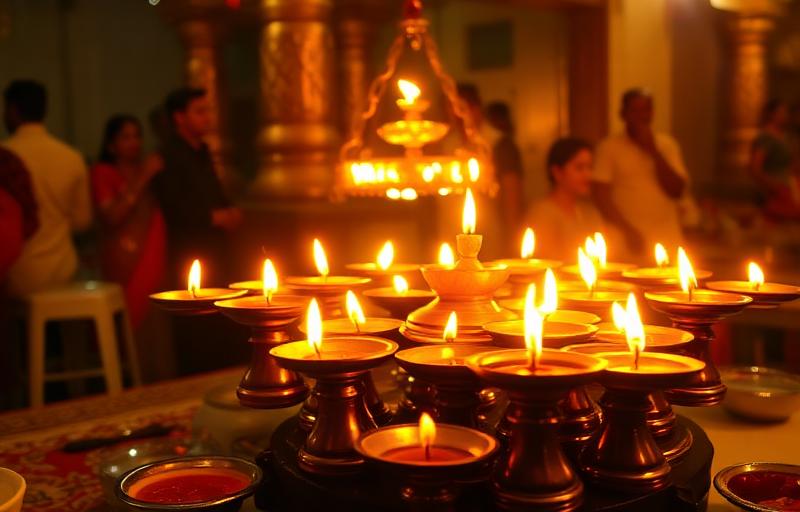
Incense remains one of the easiest and most common ways to begin a puja today. It is lit:
- At home altars every morning and evening, often alongside a diya
- In temples, where dhoop is waved before the deity during aarti in a circular motion
- During festivals, when specific fragrances like sandalwood or camphor-based dhoop are preferred
- At the start of any auspicious occasion, from a new business opening to a housewarming
Many households simply keep a packet of agarbatti near the puja shelf, lighting one before starting the day's prayers.
A Simple Offering That Fills the Room
There is something quietly beautiful about how a single stick of incense can change the feeling of a room, turning an ordinary corner into a space that feels sacred. That is part of why this small offering has endured for so long in Hindu homes.
Lighting incense costs little time or effort, yet it asks the devotee to pause, breathe in the fragrance, and remember that worship is an act of faith and love, not a transaction.
Quick Answers
Why is incense considered important in puja?+
Incense offers fragrance to the deity, fulfilling the sense of smell as part of the traditional five-element offering in puja. It is also seen as purifying the space and carrying prayers upward as its smoke rises.
What is the difference between agarbatti and dhoop?+
Agarbatti is a stick incense that burns slowly and conveniently, while dhoop is a thicker, stick-less form usually burned on charcoal, considered more traditional for temple and festival rituals.
When should incense be lit at home?+
Traditionally, incense is lit during morning and evening prayers, alongside a diya, though there is no rigid rule and many families light it whenever they begin their puja.
About the author
Pandit Mahesh Trivedi · Festival Traditions & Panchang
Pandit Mahesh leads the festival-date and Panchang content on Vandnaa. He cross-references multiple regional panchangs (Drik, Vaishnava, Bengali, Marathi) for every festival date published on the site.
Meet the Vandnaa editorial team →