The Practice: Sandhya Deep at Dusk
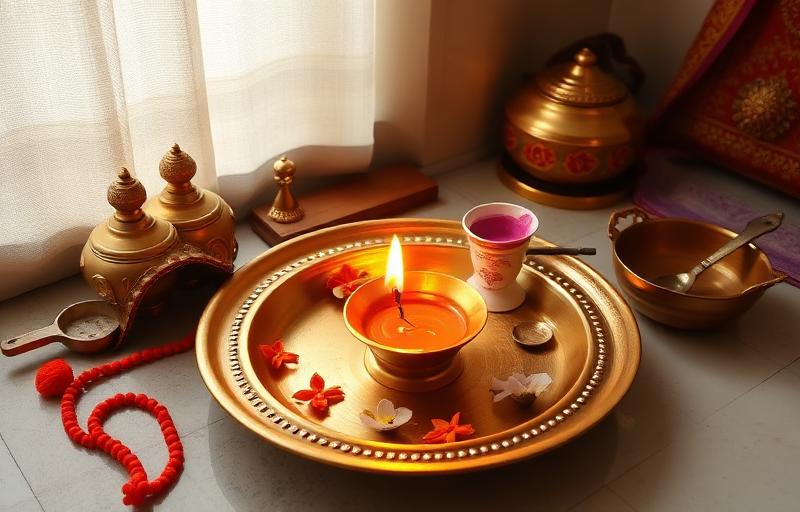
As dusk settles in, most Hindu homes pause for a small, familiar ritual, lighting a diya, a small oil lamp, near the home shrine, the tulsi plant, or the main doorway. This daily lighting is known as sandhya deep, and it is often accompanied by a short prayer or a brief aarti.
Unlike festival lighting, which can be elaborate, this everyday diya is usually simple, a single flame lit with quiet devotion at the same time each evening, marking the transition from day to night.
The Tradition Behind Lighting a Lamp
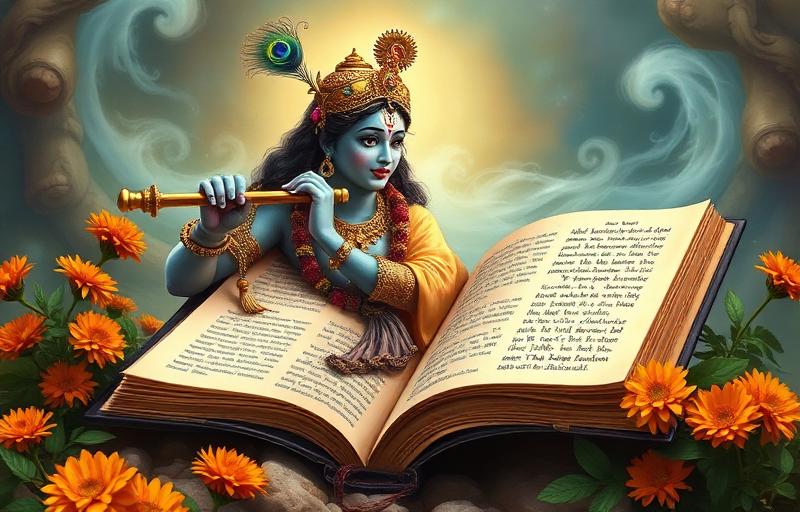
This custom is rooted in one of the most quoted prayers from the Upanishads: "Tamaso maa jyotir gamaya", meaning "lead me from darkness to light." Light has been treated as sacred since Vedic times, closely connected to Agni Dev, considered a witness to prayer and a messenger between devotees and the divine.
The twilight hour itself, called sandhya, is regarded as a sacred meeting point between day and night, a time traditionally set aside for prayer. Lighting a lamp at exactly this hour is a way of marking that sacred transition and inviting a sense of calm and light into the home as darkness falls outside.
What the Flame Represents
The flame of a diya carries rich symbolism in Hindu thought. Light is seen as knowledge dispelling the darkness of ignorance, and the upward direction of the flame is often understood as the soul's natural aspiration toward the divine. Lighting a lamp for God is, in this sense, also an invitation to light the same flame of awareness within oneself.
The wick, which burns itself down while giving light to others, is often held up as a quiet lesson in selfless service, giving without expecting anything back, an ideal Hindu tradition holds in high regard.
How This Ritual Is Practiced Today
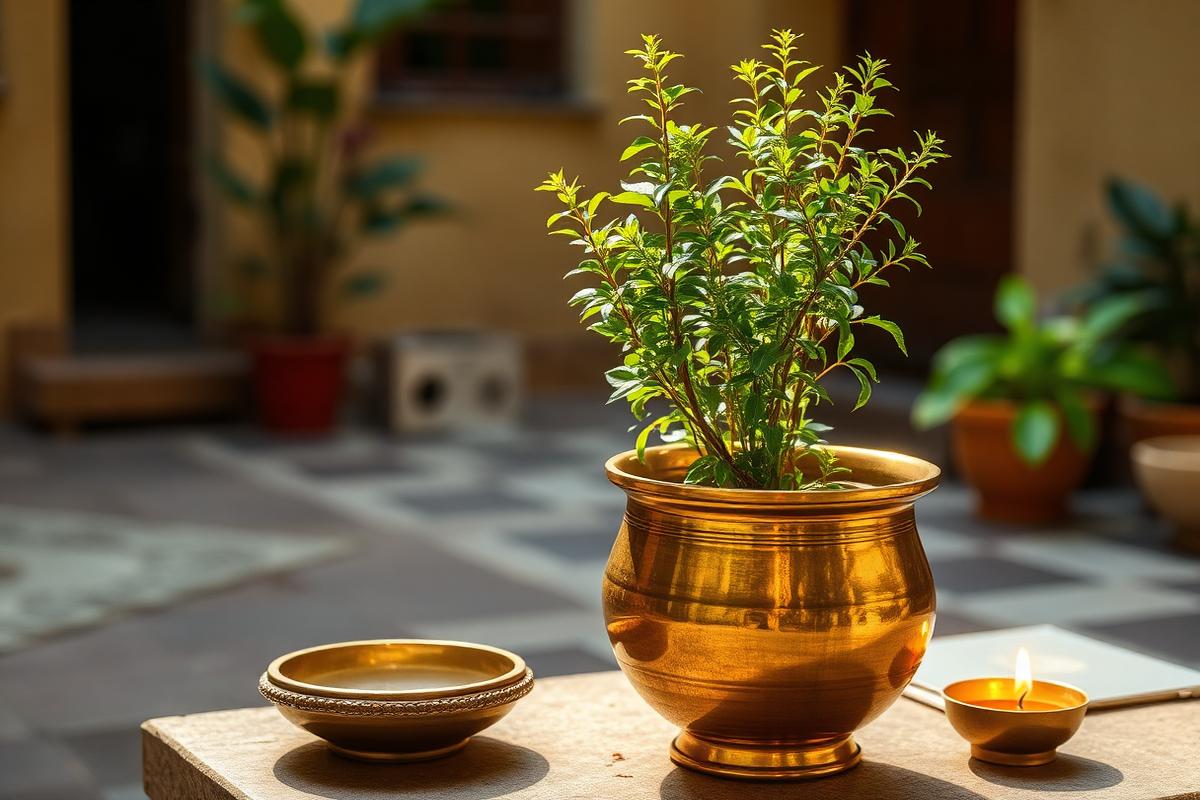
Today, the evening diya remains one of the most consistently practiced rituals in Hindu homes. Common elements include:
- Lighting the lamp with ghee or til (sesame) oil, both considered pure fuels
- Placing a diya near the tulsi plant and the main doorway, in addition to the home shrine
- Accompanying the lighting with a short prayer, a mantra, or a brief evening aarti
- Treating it as inauspicious to let the household remain unlit as dusk falls
Even in busy households, many families make an effort to keep this small ritual consistent, viewing it as a quiet daily anchor of faith rather than an occasional practice.
A Small Flame, A Steady Faith
The evening diya, lit quietly day after day, is a reminder that devotion often lives in small, repeated acts rather than only in grand occasions. A single flame, offered with sincerity each evening, keeps a home connected to light, knowledge, and faith through every season.
As with all such customs, lighting a lamp is an act of faith and love, not a transaction. It asks for nothing more than a few drops of oil and a moment of quiet attention, yet it carries the same devotion as any elaborate ritual.
What People Ask Most
Why is the evening considered the right time to light a diya?+
Dusk, or sandhya, is regarded as a sacred transition between day and night, traditionally set aside for prayer. Lighting a diya at this hour marks that transition and invites light and calm into the home.
Does the diya need to be lit with a specific oil?+
Ghee and til (sesame) oil are the most traditional and commonly used fuels, considered pure for this purpose. However, what matters most in tradition is the sincerity behind lighting the lamp, not the exact oil used.
What is akhand jyot and how is it different from the daily diya?+
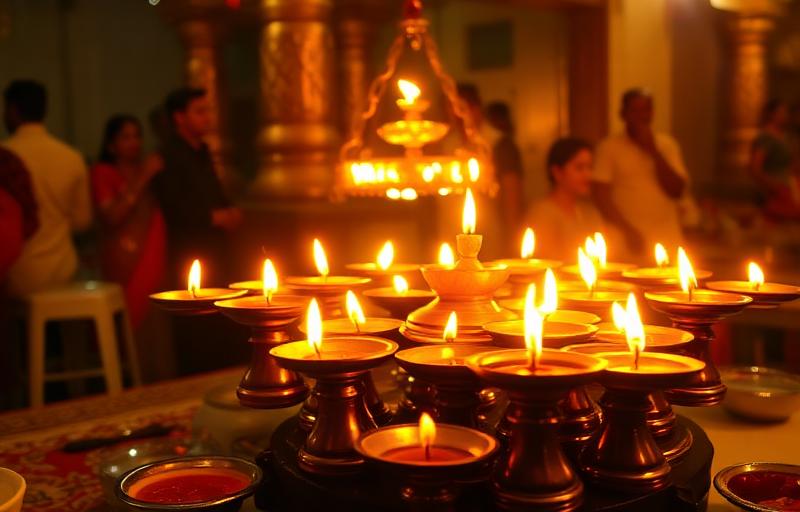
Akhand jyot is an unbroken flame kept continuously lit for several days, usually during a vrat or festival like Navratri, as a heightened devotional practice. The daily diya, by contrast, is lit and allowed to finish each evening as part of routine worship.
About the author
Acharya Vinaya Kapoor · M.A. Sanskrit, Mantra & Stotra Studies
Acharya Vinaya holds an M.A. in Sanskrit from Banaras Hindu University and writes the mantra and stotra commentary on Vandnaa. Her focus is on accurate pronunciation, traditional context, and helping modern readers connect with classical texts.
Meet the Vandnaa editorial team →