A Custom Every Household Knows
On festivals such as Diwali, Dussehra and the many regional new year celebrations, it is common for families across India to wear new or freshly bought clothes. Children look forward to it especially, but adults too often set aside a new outfit for the main day of puja and celebration, even if it is something simple.
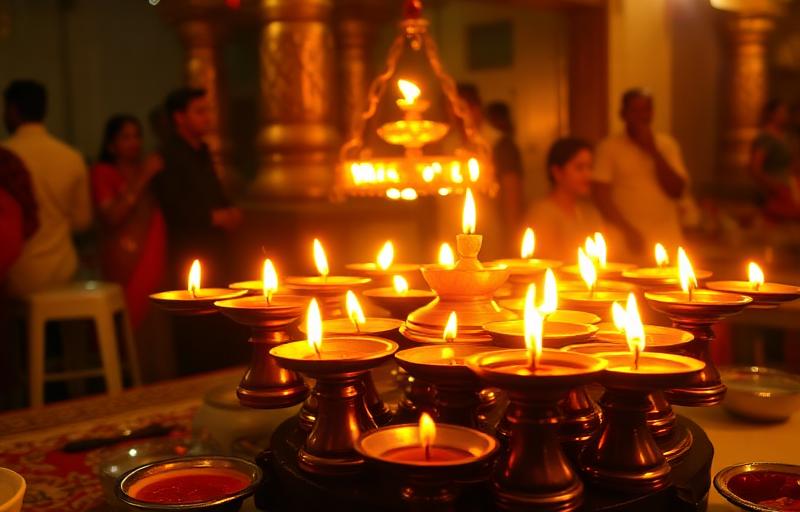
The custom is not about extravagance. A single new item, a shirt, a saree, even a new piece of jewellery or a fresh set of bangles, is often enough to fulfil the tradition. What matters is the gesture of marking the day as different from the ordinary, dressing the body the way the home itself is dressed with rangoli, lamps and decoration.
Why Tradition Ties Clothing to Celebration
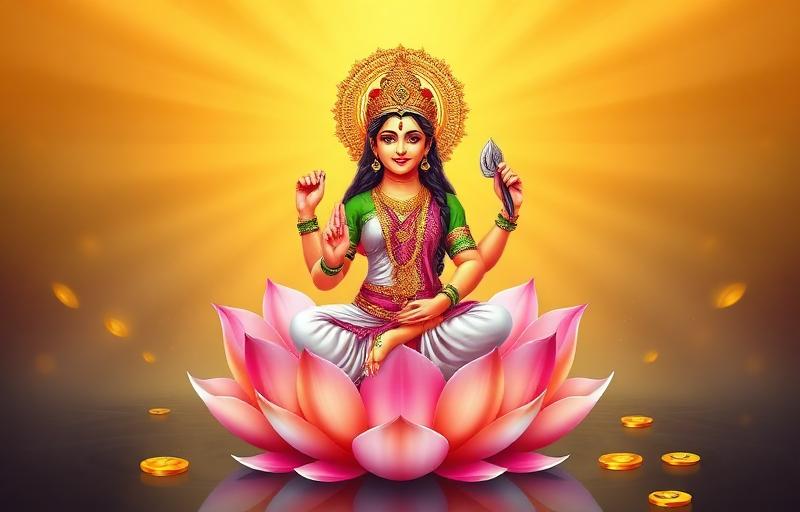
Many Hindu festivals mark a turning point, a harvest completed, a new year beginning, or the victory of good over evil, and wearing something new is traditionally seen as a way of stepping into that fresh phase rather than carrying the old one forward unchanged. On Diwali especially, the arrival of Goddess Lakshmi is associated with cleanliness, brightness and freshness, and dressing well is considered part of preparing a home and a self worthy of that visit.
Clean, fresh clothing is also simply considered appropriate for approaching the divine. Just as puja spaces are cleaned and decorated, devotees traditionally hold that presenting themselves neatly, ideally in something new or freshly washed, is a mark of respect when standing before God during festival prayers.
What New Clothing Symbolizes
Beyond appearance, the custom carries a few layered meanings that devotees have passed down through generations.
- It symbolizes leaving behind the old year's difficulties along with old, worn garments
- It reflects gratitude for the year's blessings, celebrated by treating oneself and family with something special
- It represents shuddhata, purity, in both body and intention while approaching festival prayers
- It reinforces equality and togetherness within the family, as everyone, regardless of age, shares in the same small joy
How the Tradition Continues Today

The custom remains very much alive, though it has adapted to modern life. Festival shopping for clothes is common in the weeks before Diwali, Dussehra or regional new year days, with families budgeting for at least one new outfit per member, often worn specifically for puja or visiting relatives.
Many households also treat this season as an occasion for daan, giving away gently used clothes to those in need or gifting new clothes to household help, extending the spirit of renewal beyond one's own family. For some, especially in modest circumstances, even a small new accessory, a bindi, a ribbon or bangles, is enough to honour the tradition without financial strain.
A Simple Joy With Deeper Roots
New clothes on a festival day are, at heart, a small and joyful way of marking time as sacred, of saying that this day is different, worth preparing for, worth celebrating. The tradition asks for sincerity, not expense, a truth many families quietly understand, worship is an act of faith and love, not a transaction.
Common Questions From Devotees
Is it necessary to buy expensive new clothes for festivals?+
No, the tradition values sincerity over expense. Even a small new item, such as an accessory or a modest piece of clothing, is considered enough to honour the custom.
Why are new clothes especially linked to Diwali?+
Diwali is associated with the arrival of Goddess Lakshmi into clean, bright homes, and dressing in fresh clothing is traditionally seen as part of preparing oneself, alongside the home, to welcome her.
What happens to old clothes during festival time?+
Many families use this season to give away gently used clothing as daan, extending the spirit of renewal to those in need rather than simply discarding what is no longer worn.
About the author
Pandit Mahesh Trivedi · Festival Traditions & Panchang
Pandit Mahesh leads the festival-date and Panchang content on Vandnaa. He cross-references multiple regional panchangs (Drik, Vaishnava, Bengali, Marathi) for every festival date published on the site.
Meet the Vandnaa editorial team →