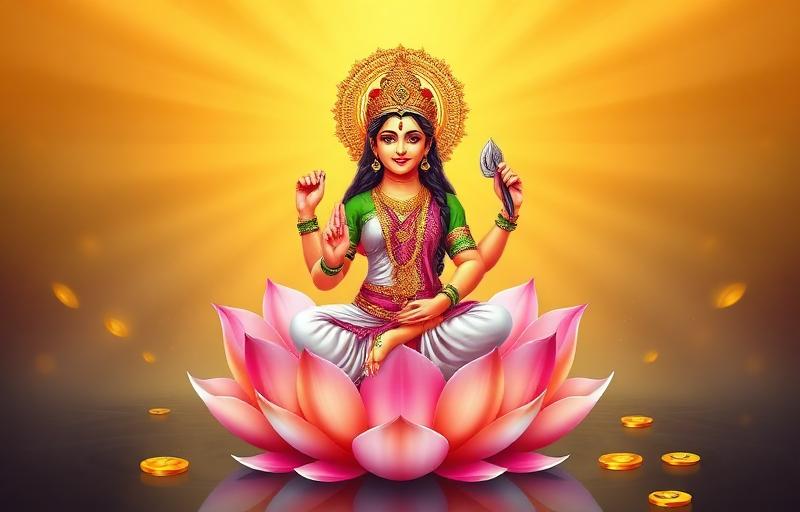
A Pause Before the First Bite
In many Hindu homes, before the family sits down for a meal, a small portion of the freshly cooked food is placed before the household deity, often on a small plate, with a short prayer or simply a moment of silence. Only after this offering, called bhog, is the rest of the food distributed and eaten as prasad, blessed food.
This is not limited to festivals or special days. In many families, it is a quiet daily habit, repeated at nearly every meal, so routine that it barely feels like a ritual at all.
The Reasoning Behind Offering First
Tradition holds that everything, including the food on the table, ultimately comes from God's grace, through rain, soil, sun and the labour of many hands. Offering the first portion back before eating is a way of acknowledging that source, rather than treating the meal as something simply owned and consumed without a thought to where it came from.
This idea appears across Hindu scripture in various forms, the notion that a meal eaten without first offering it in gratitude is considered incomplete, while one that begins with an offering is considered blessed and shared with the divine.
What the Offering Symbolises
Offering food before eating symbolises humility and gratitude, a small pause that turns an ordinary meal into an act of remembrance. It also reflects a value found throughout Hindu tradition: that a guest, and God is often treated as the most honoured guest, is served before the host.
When the offered food is later shared as prasad, it carries a different meaning than it did before the offering, no longer just food, but something believed to carry blessings, meant to be received with the same gratitude with which it was offered.
How Families Practise This Today
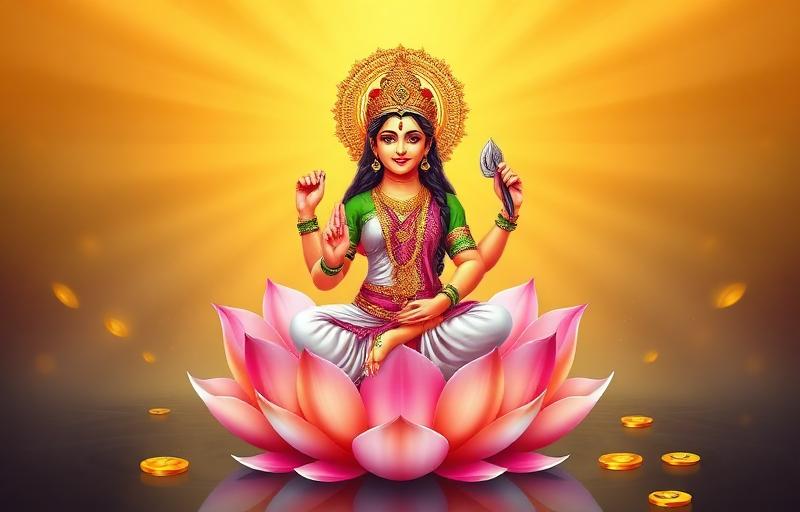
The custom takes different forms depending on the family and occasion:
- A small portion set aside on a plate before the home deity at every meal
- A short prayer or a few words of gratitude said before eating, even without a formal plate offering
- Elaborate bhog prepared for festivals and offered with full ritual before being shared as prasad
- Food taken to a temple to be offered and later brought home to be eaten by the whole family
Even busy households that skip the elaborate version often keep a simplified habit, such as a brief pause or a silent thank you before the first bite.
Gratitude on a Plate
This small pause before a meal, a portion set aside, a quiet word of thanks, asks for very little time yet carries a great deal of meaning. It turns something as ordinary as eating into a moment of remembrance and gratitude.
Whether it is an elaborate bhog at a temple or a silent pause at a family dinner table, the idea stays the same: sharing what we have, starting with the divine, is an act of faith and love, not a transaction.
Frequently Asked Questions
What is the difference between bhog and prasad?+
Bhog is the food offered to God before it is eaten, while prasad is the same food after the offering, distributed and eaten by devotees as blessed food.
Why is food offered to God before the family eats?+
It is a way of acknowledging that food ultimately comes through God's grace and expressing gratitude before consuming it, similar to serving an honoured guest first.
Is offering food to God only done during festivals?+
No, many families follow this as a daily habit at every meal, though it often becomes more elaborate during festivals when a special bhog is prepared and offered.
About the author
Anjali Mehta · Editor, M.A. Religious Studies
Anjali is the managing editor for Vandnaa and oversees the festival and vrat coverage. She holds an M.A. in Religious Studies and reviews every published article for accuracy, accessibility, and tradition-fidelity.
Meet the Vandnaa editorial team →