What Is Bhasma?
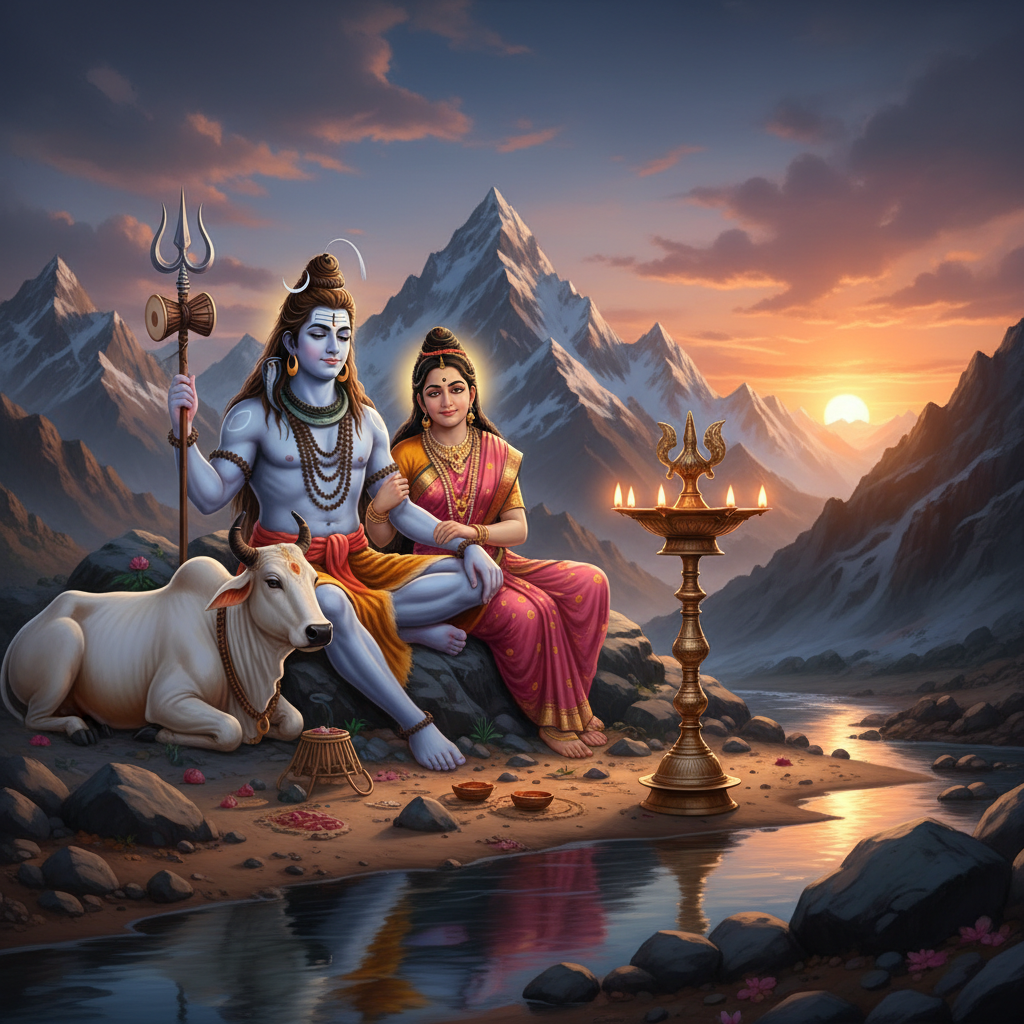
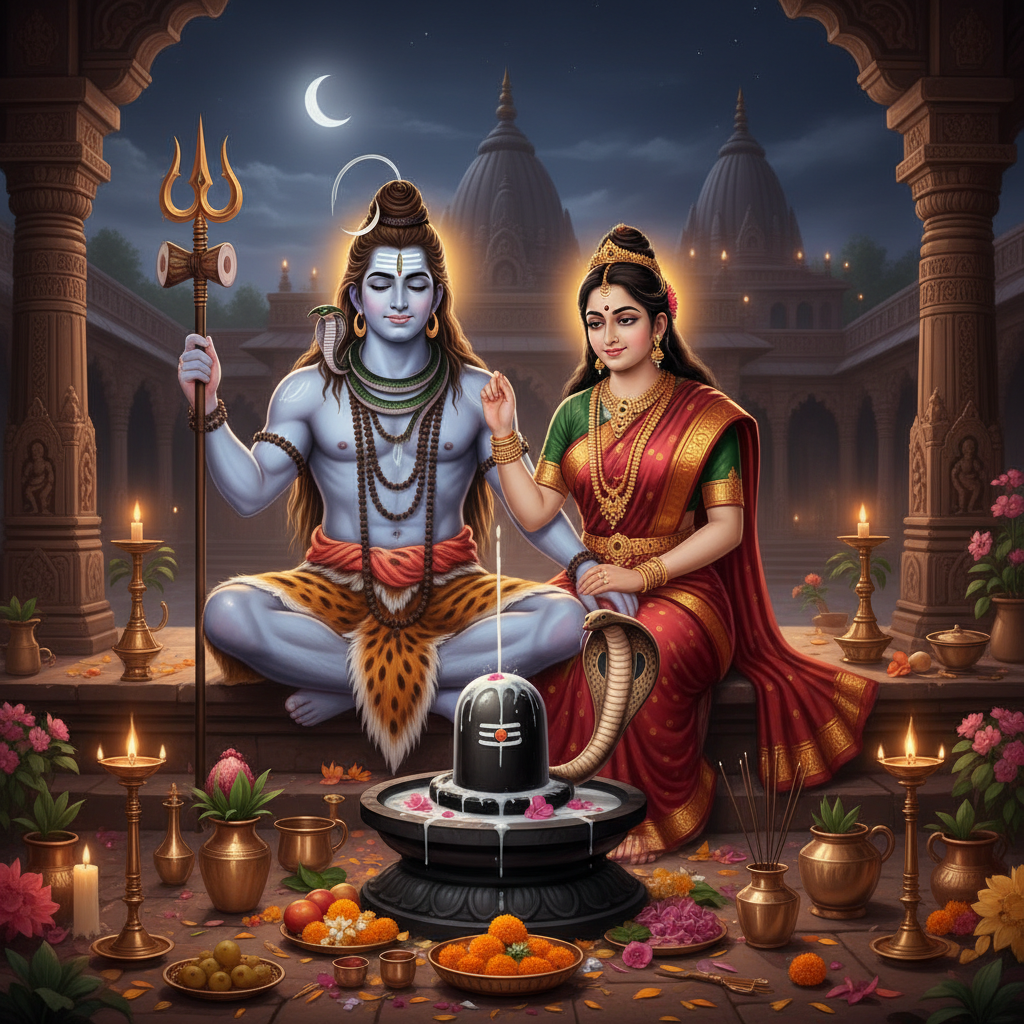
Bhasma, also called vibhuti, is the sacred ash traditionally associated with Lord Shiva, who is depicted with his body covered in it. Far from being a symbol of neglect or austerity alone, this ash is regarded by devotees as one of the most profound teachings embedded in Shiva's iconography.
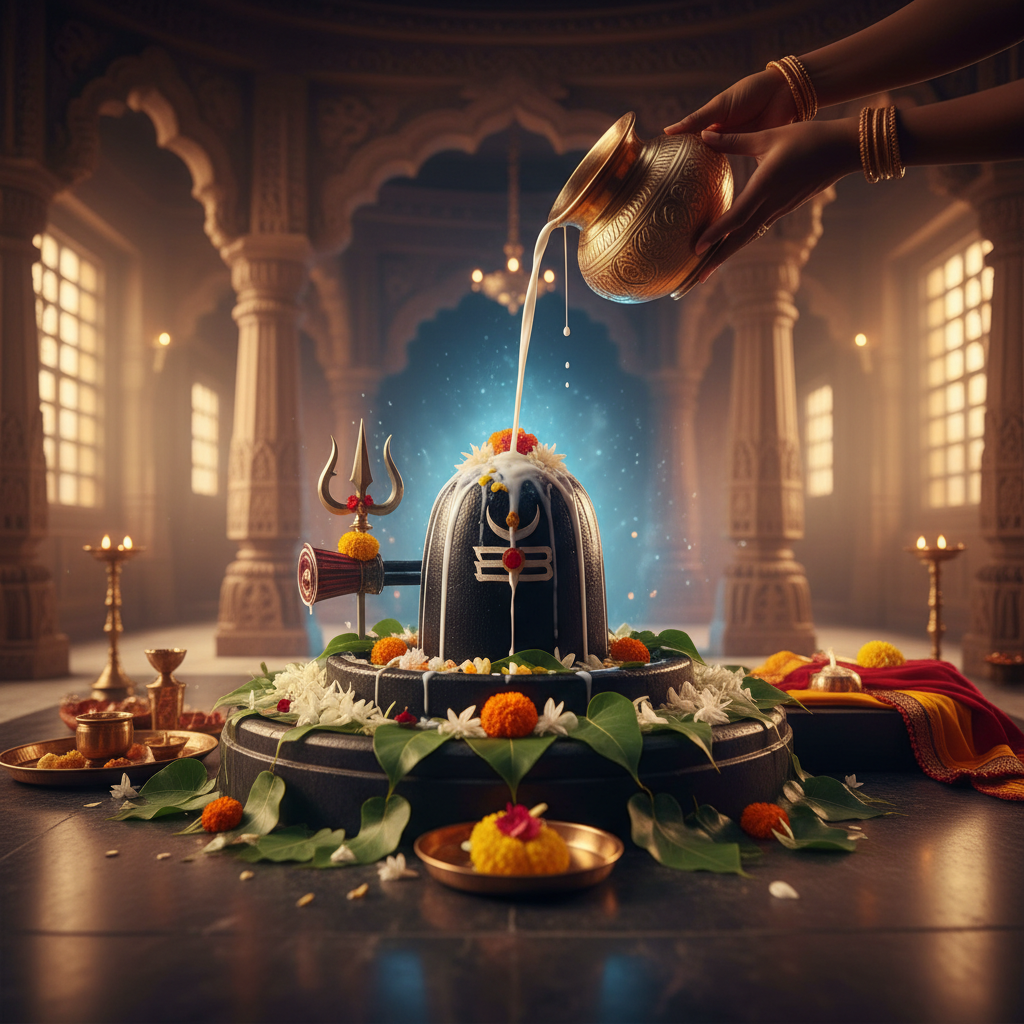
In temples, bhasma is also distributed to devotees as prasad, applied to the forehead as a mark of blessing, connecting the worshipper symbolically to Shiva's own form.
Symbolic Meaning of the Ash
Tradition holds that bhasma represents the truth that all material things, however grand, ultimately return to dust. As the great destroyer within the Trimurti, Shiva wearing ash is said to remind devotees that he stands beyond the illusion of permanence that governs worldly life.
Some traditions also connect this to the story of Shiva covering himself in the ashes of cremation grounds as an ascetic, showing his complete detachment from worldly vanity, wealth and appearance, embracing instead the rawest, most honest truth of existence.
Significance for Devotees
For devotees, contemplating Shiva's bhasma is a lesson in humility. It suggests that beneath status, wealth and appearance, every being shares the same basic, impermanent nature, and that true dignity comes from inner devotion rather than outer display.
This symbolism resonates strongly with ascetics and sadhus, many of whom apply ash to their own bodies as a mark of their renunciation and their devotion to Shiva's path.
How Devotees Apply Bhasma

In temple worship, bhasma is often applied in three horizontal lines across the forehead, a mark closely associated with Shaiva tradition. Devotees receive it as prasad after aarti, applying it with reverence while chanting Om Namah Shivaya.
At home, some devotees keep a small quantity of sacred ash from a Shiva temple, applying it during personal prayer as a reminder of humility and devotion.
A Practical Takeaway
Shiva's bhasma reminds devotees not to be consumed by material pursuits, but to remain grounded in humility and truth. It is a gentle daily reminder that life is temporary, and that devotion, not possession, is what truly endures.
Applying or contemplating bhasma is an act of faith and love, not a transaction, inviting devotees toward simplicity and sincerity in their spiritual path.
Common Questions From Devotees
Why does Shiva wear ash on his body?+
Devotees believe Shiva's bhasma symbolizes the impermanence of material existence and his complete detachment from worldly vanity and appearance.
What does it mean when devotees apply bhasma on their forehead?+
Applying bhasma is considered a mark of devotion and humility, connecting the devotee symbolically to Shiva and reminding them of life's impermanence.
Is bhasma the same as vibhuti?+
Yes, bhasma and vibhuti refer to the same sacred ash associated with Shiva worship, though the terms are used in slightly different regional and ritual contexts.
About the author
Anjali Mehta · Editor, M.A. Religious Studies
Anjali is the managing editor for Vandnaa and oversees the festival and vrat coverage. She holds an M.A. in Religious Studies and reviews every published article for accuracy, accessibility, and tradition-fidelity.
Meet the Vandnaa editorial team →