The Practice: Tying a Thread With a Wish
Near many peepal and banyan trees, especially those close to a temple or a shrine of a local deity, you will often find their trunks and branches wrapped with rows of red or yellow threads. Devotees tie a kalava or mauli thread around the tree while silently making a wish, known as a mannat, and it is believed that once the wish is fulfilled, the devotee returns to untie the thread or tie a new one in gratitude.
This is one of the quieter forms of worship, requiring no priest or elaborate ritual, just a devotee, a tree, and a sincere heart.
Why Trees Are Treated as Sacred
In Hindu tradition, certain trees are regarded as far more than plants. The peepal tree is traditionally associated with the presence of Brahma, Vishnu, and Mahesh together, and is treated with the same reverence as a deity. The banyan tree, known for its vast, long life and deep roots, is linked with longevity and steadfastness, and is worshipped particularly during festivals like Vat Savitri.
This reverence for trees comes from a broader tradition of vriksha puja, tree worship, that sees the natural world as filled with divine presence. A tree that has stood for generations, offering shade and shelter without asking anything back, is seen as a fitting witness for a devotee's prayer.
The Meaning Behind the Thread
The act of tying a thread is essentially an act of sankalp, a resolve or a vow. By physically tying something to the tree, the devotee gives their wish a tangible form and entrusts it to a witness that is rooted and enduring. The tree, unmoving and ancient, represents patience and permanence, qualities the devotee hopes will support their own wish over time.
Returning to untie the thread once a wish is fulfilled closes the circle of the vow, an act of honesty and gratitude that completes what was started. It reflects a broader value in Hindu tradition that a promise made to the divine should also be honoured in full.
How This Custom Is Followed Today
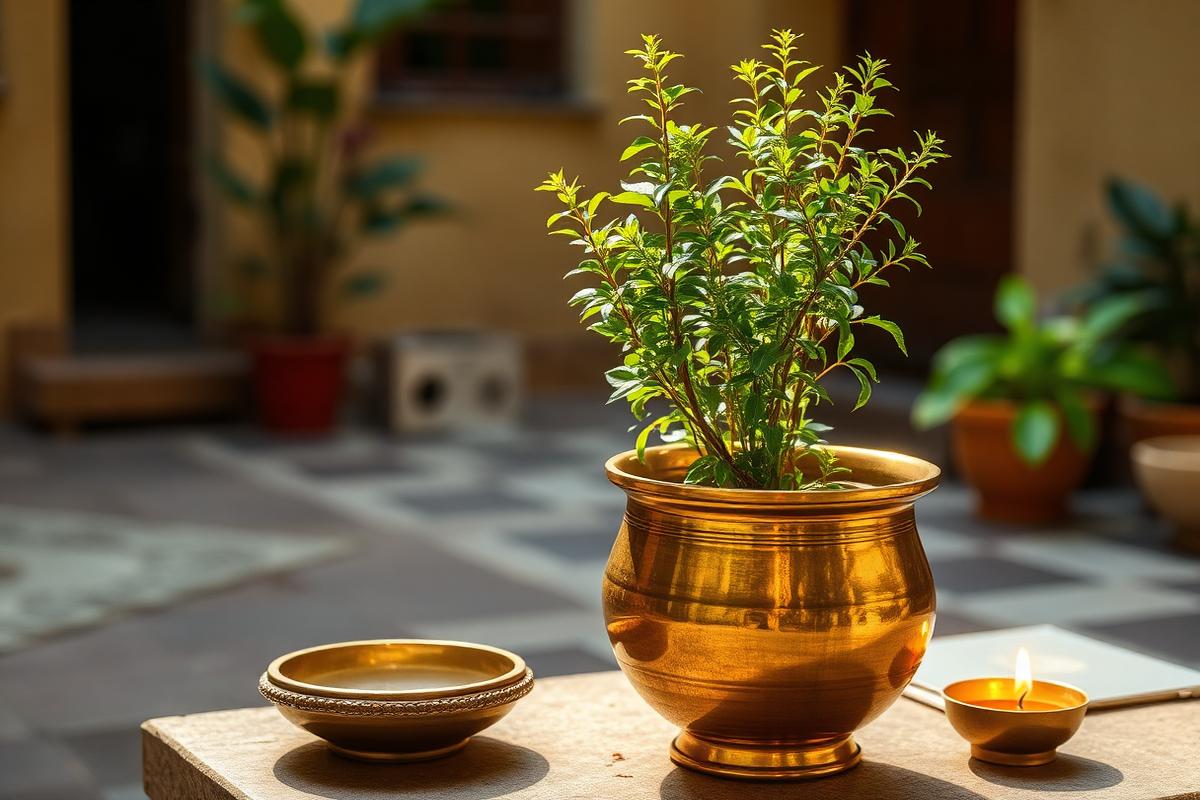
Today, this practice is seen most often around peepal trees near temples, banyan trees at village crossroads, and near shrines of local gram devtas or devis. Devotees typically visit on a Saturday or during a specific vrata, circle the tree, tie the thread, and offer a short prayer.
Common elements of the practice include:
- Using a red or yellow kalava thread, considered auspicious colors
- Circling the tree a few times (parikrama) before or after tying the thread
- Lighting a small diya or offering water at the base of the tree
- Returning after the wish is fulfilled to untie the thread in gratitude
In many villages, a particular tree becomes known over generations as a place where wishes are traditionally made, carrying the faith of an entire community.
A Quiet Thread, A Sincere Prayer
Tying a thread on a sacred tree is one of the gentlest expressions of faith in Hindu tradition, needing no grand ceremony, only sincerity and patience. It teaches devotees to trust that a wish, once entrusted to the divine, is held safely, and that gratitude should follow when it is fulfilled.
As with all such customs, this is an act of faith and love, not a transaction. The tree does not grant the wish itself, it simply holds space for the devotee's hope while they wait with patience and trust in the divine.
Reader Questions Answered
What does tying a thread on a tree actually mean?+
It represents a sankalp, or a vow, where a devotee entrusts a wish to a sacred tree considered a witness to their prayer. It is a quiet, personal act of faith rather than a fixed ritual with strict steps.
Do devotees always come back to untie the thread?+
Many do, as a mark of gratitude once their wish is fulfilled, though it is not a strict requirement. What matters most in tradition is the sincerity of the original prayer and the gratitude that follows.
Why are peepal and banyan trees specifically chosen for this practice?+
Both trees are considered sacred in Hindu tradition, the peepal linked with the Trimurti and the banyan with longevity and steadfastness. Their long life and wide presence across India made them natural, enduring witnesses for devotees' prayers.
About the author
Pandit Mahesh Trivedi · Festival Traditions & Panchang
Pandit Mahesh leads the festival-date and Panchang content on Vandnaa. He cross-references multiple regional panchangs (Drik, Vaishnava, Bengali, Marathi) for every festival date published on the site.
Meet the Vandnaa editorial team →