What Havan and Yagna Really Mean
Havan (also called homa or yagna) is the Vedic ritual of offering oblations - ghee, herbs, grains and wood - into a consecrated fire while chanting mantras. The word yagna means sacrifice, worship and selfless offering all at once. At its heart, havan is the act of giving the best of what we have into the fire, asking nothing for the ego in return, so that purity rises and spreads outward to all beings.
The Role of Agni and the Word 'Swaha'
In the Vedas, Agni (fire) is the divine messenger who carries every offering to the gods - he is the visible mouth through which the deities receive our prayers. With each offering we say 'Swaha', which means 'may it be well offered' or 'I surrender this rightly'. Swaha is also the name of Agni's consort, so the word seals the offering and ensures it reaches its deity. Nothing offered into the sacred fire with the right mantra and 'Swaha' is ever lost.
The Scriptural and Cultural Reason
The Vedas describe yagna as the very axis of cosmic order; the Bhagavad Gita (Chapter 3) teaches that all beings live by yagna and that selfless action done as offering frees us from bondage. Fire was central to Vedic worship because it needs no idol - it is the living, ever-pure presence of the divine. From the daily Agnihotra to grand yagnas for peace and prosperity, havan has anchored Hindu homes, weddings, grihapravesh and festivals for thousands of years.
The Scientific and Psychological Angle
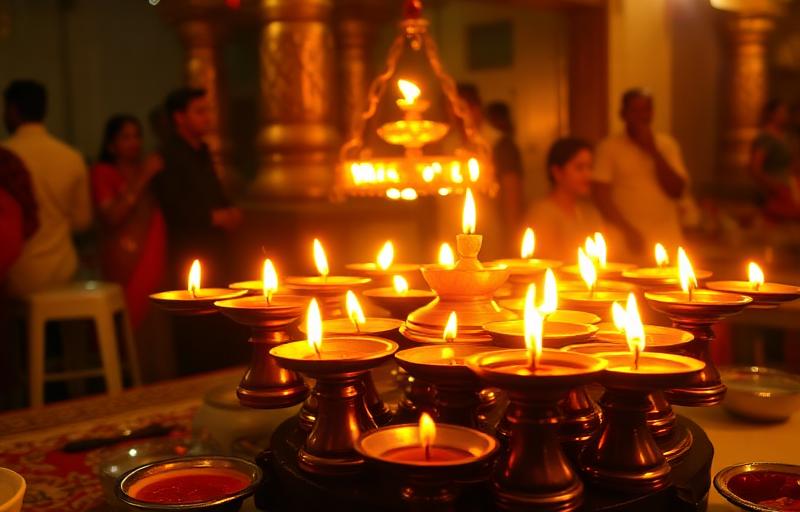
Burning ghee with herbs like guggul, camphor, sandalwood and medicinal samagri releases aromatic compounds that studies suggest can reduce airborne microbes and purify indoor air. The warmth, fragrance and rhythmic chanting calm the nervous system, lower stress and sharpen focus, much like a group meditation. The shared act of giving into the fire builds family unity and a deep sense of letting go - a tangible practice of detachment and gratitude.
Correct Vidhi - How a Havan Is Performed
1. Set up a clean havan kund (square fire pit) and arrange dry mango wood (samidha), ghee, havan samagri and a spoon (sruva). 2. Begin with achaman, Ganesh vandana and sankalp stating the purpose. 3. Kindle the fire with camphor and invoke Agni Dev. 4. Offer ghee and samagri with each mantra, ending in 'Swaha', often 11, 21 or 108 times. 5. Conclude with the Purnahuti - a full final offering of coconut, betel and ghee. 6. Perform aarti, take the bhasma (sacred ash) as blessing, and pray for the welfare of all.
Common Mistakes to Avoid
Never blow on the fire with your mouth, as breath is considered impure for the sacred flame - use a fan or hand instead. Do not offer impure or leftover items, and avoid using kerosene or chemicals to light the fire; camphor and ghee are correct. Sit facing east or north, keep the area ventilated, and never let pregnant women, children or the unwell sit in heavy smoke. Above all, do not rush the mantras or skip the sankalp that gives the havan its purpose.
Benefits of Havan

Havan is believed to purify the home of negative energy, please the deities, fulfil sankalp and remove obstacles and doshas. Physically, the medicinal smoke cleanses the air and lifts the atmosphere; mentally, the fire and chanting calm anxiety and bring focus. Spiritually, the act of selfless offering cultivates detachment, gratitude and family harmony, and the bhasma is taken as a blessing of protection and good health.
Reader Questions Answered
Why do we do havan?+
Havan is done to offer oblations into sacred fire while chanting mantras, so that Agni carries them to the deities. It purifies the air, home and mind, pleases the gods and fulfils the sankalp made before the ritual.
What does 'Swaha' mean in havan?+
'Swaha' means 'may this be well offered' or 'I surrender this rightly'. It is said with each oblation and is also the name of Agni's consort, sealing the offering so it reaches the intended deity.
Who is Agni Dev and why is fire used?+
Agni is the Vedic fire god and the divine messenger who carries offerings to the deities. Fire needs no idol and is ever pure, so it is seen as the living, visible presence of the divine that links humans and gods.
Does havan really purify the air?+
Burning ghee with herbs like guggul, camphor and sandalwood releases aromatic compounds that studies suggest can reduce airborne microbes and freshen indoor air, while the fragrance and chanting calm the mind.
Which direction should you face during havan?+
Sit facing east or north during a havan, keep the area ventilated, and use camphor and ghee to light the fire. Never blow on the flame with your mouth; use a fan or your hand instead.
What is Purnahuti in a havan?+
Purnahuti is the full, final offering that concludes a havan, usually a coconut wrapped in cloth with betel, ghee and samagri. It marks the completion of the yagna and the surrender of all offerings to Agni.
About the author
Anjali Mehta · Editor, M.A. Religious Studies
Anjali is the managing editor for Vandnaa and oversees the festival and vrat coverage. She holds an M.A. in Religious Studies and reviews every published article for accuracy, accessibility, and tradition-fidelity.
Meet the Vandnaa editorial team →Explore on Vandnaa
Related Articles

Why We Chant a Mantra 108 Times - The Significance
9 min read

Why We Fast on Monday (Somvar Vrat) - Significance for Shiva
9 min read
Gayatri Mantra Meaning, Benefits & How to Chant (गायत्री मंत्र)
12 min read

Panchamrit - Meaning, 5 Ingredients, Significance & Puja Vidhi
8 min read
Home Mandir Setup - Direction, Vastu Rules, Dos and Don'ts
9 min read
Gau Mata Puja - Significance, Benefits & Vidhi to Worship the Cow
9 min read