What Is Akshat
Akshat literally means the unbroken - whole rice grains that have not split or cracked, usually mixed with a little haldi (turmeric) and kumkum so each grain turns auspicious yellow or red. It is one of the most basic items of puja samagri, offered at the start of nearly every ritual. The word itself carries the idea of wholeness, purity and that which is never destroyed.
The Spiritual Meaning of Akshat
Akshat is a symbol of completeness, prosperity and the indestructible self. Because the grains are whole and unbroken, they represent a prayer offered without flaw or division - a wish for the deity's blessings to remain complete and unending. Rice is also the staple that sustains life, so offering it expresses gratitude and the surrender of our daily nourishment back to the divine.
Scriptural and Cultural Reason
In the traditional shodashopachara (sixteen-step) puja, akshat is used to invoke and seat the deity and is offered along with flowers during aavahan. The shastras hold that anything offered to God must be whole and unblemished - a broken grain is considered khandit (defective) and unfit for worship, just as a cracked idol or torn cloth is avoided. Akshat thus stands for the perfection we wish to place before the divine.
The Science and Practical Angle
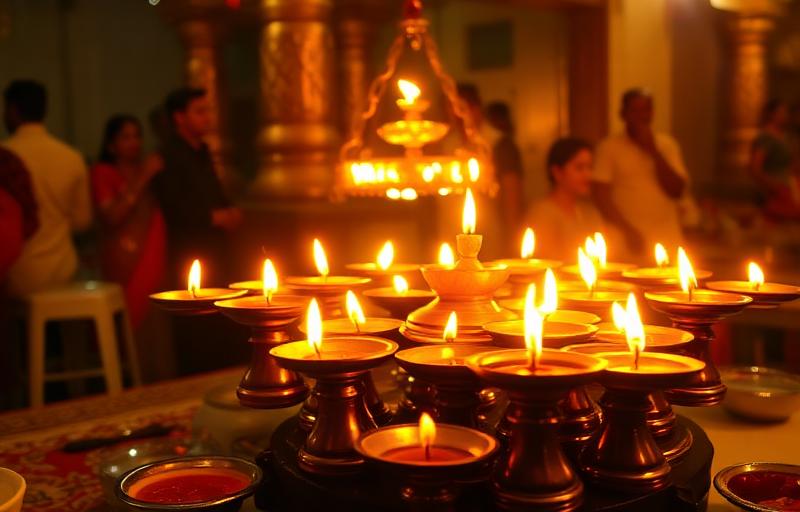
Rice is rich in starch and prana (life energy) and does not decay quickly, making it a clean, long-lasting offering. The haldi mixed into akshat is naturally antiseptic, and kumkum keeps the grains fragrant and auspiciously coloured. Practically, scattering a few whole grains marks and sanctifies the puja space, and the leftover akshat was traditionally shared with birds and ants - turning worship into an act of feeding other beings.
The Correct Way to Offer Akshat
1. Use only whole, unbroken rice - sift out any cracked or broken grains. 2. Mix in a pinch of haldi and a little kumkum or a few drops of water to colour the grains. 3. Hold the akshat in the right hand, take the deity's name, and offer it at the feet or head of the idol or image. 4. Use akshat for aavahan, tilak, and to fill the kalash. 5. Never offer rice that has been cooked or that has even slightly broken grains. After the puja, the akshat may be kept as prasad or offered to birds, never simply thrown away.
Benefits of Offering Akshat
Offering akshat with devotion is believed to invite prosperity, abundance and completeness into the home, and to make the puja itself whole and acceptable to the deity. It cultivates mindfulness - the simple act of removing broken grains trains attention and intention. Shared afterward with birds and ants, it also nurtures compassion, turning a small ritual into a daily reminder of gratitude and giving.
Reader Questions Answered
Why must the rice for akshat be unbroken?+
Anything offered to God must be whole and flawless. A broken grain is considered khandit (defective) and unfit for worship. Unbroken rice symbolises completeness, purity and a prayer offered without any blemish.
Why is haldi and kumkum mixed with akshat?+
Haldi and kumkum turn the rice an auspicious yellow or red, signifying blessing and energy. Haldi is also naturally antiseptic, keeping the grains clean and pure for offering.
Can cooked rice be used as akshat?+
No. Akshat must be raw, whole, uncooked rice. Cooked rice decays quickly and is not used for invoking or seating the deity in puja.
Where is akshat offered during puja?+
Akshat is offered at the feet or head of the deity, used during aavahan (invocation), for applying tilak, and to fill the kalash. It is held in the right hand while offering.
What should be done with akshat after puja?+
After puja, akshat may be kept as prasad or scattered for birds and ants. It should never simply be thrown away, as it has been part of a sacred offering.
What does akshat symbolise?+
Akshat symbolises completeness, prosperity and the indestructible self. As the staple grain that sustains life, offering it expresses gratitude and surrender of our nourishment to the divine.
About the author
Pandit Mahesh Trivedi · Festival Traditions & Panchang
Pandit Mahesh leads the festival-date and Panchang content on Vandnaa. He cross-references multiple regional panchangs (Drik, Vaishnava, Bengali, Marathi) for every festival date published on the site.
Meet the Vandnaa editorial team →Explore on Vandnaa
Related Articles
Panchamrit - Meaning, 5 Ingredients, Significance & Puja Vidhi
8 min read
Why We Eat Prasad With the Right Hand - Meaning & Vidhi
8 min read
Why We Use Silver & Copper Vessels in Puja - Meaning & Vidhi
9 min read
Home Mandir Setup - Direction, Vastu Rules, Dos and Don'ts
9 min read
Why We Do Panch Aarti (Five Lamps) - Meaning & Significance
8 min read
Gau Mata Puja - Significance, Benefits & Vidhi to Worship the Cow
9 min read