5 Reasons Coconut is THE Sacred Fruit
1. Coconut Has Three Eyes - Like Lord Shiva. Look at any whole coconut: there are exactly three indentation marks at the base (the 'eyes'). These represent Lord Shiva's three eyes - the two earthly eyes plus the third eye of cosmic perception. When you offer a coconut, you are literally offering Shiva-energy back to Shiva. This is one of the most direct symbolic acts in Hindu worship.
2. Coconut Represents Complete Self-Surrender. A coconut has three layers: rough outer fiber (the body - gross), hard shell (the mind - intellectual armor), sweet white flesh (the heart - soul essence). When you BREAK the coconut before a deity, you are symbolically saying: 'I surrender my body, mind, and soul to you.' The breaking action is a small but profound act of ego-dissolution. This is why coconut-breaking is mandatory at major rituals - without it, the offering is incomplete.
3. The Inner Water Is 'The Water of Life'. Coconut water is the only natural beverage that is 99% similar to human blood plasma - it can be used for emergency IV transfusion (a documented medical fact). Spiritually, this means: the coconut contains within itself the essence of life-force (prana). Offering coconut = offering life-force to the deity.
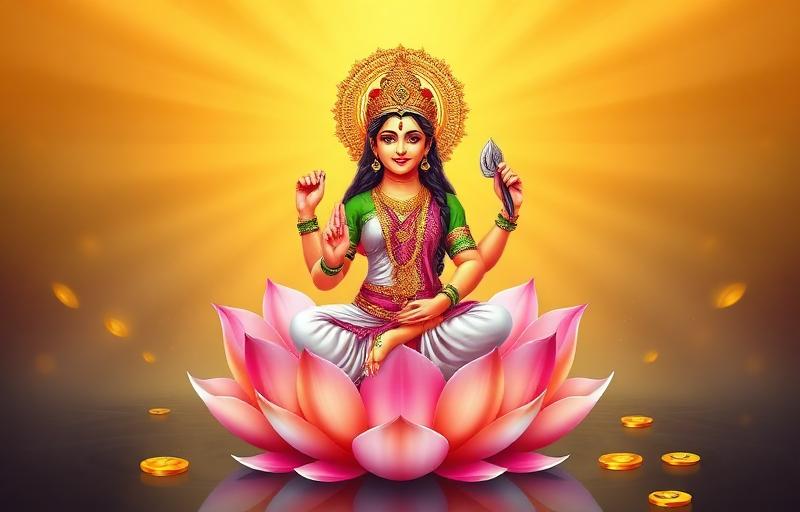
4. Coconut is Called 'Shri Phal' (The Auspicious Fruit). Its very Sanskrit name 'Shri Phal' contains the syllable 'Shri' - Goddess Lakshmi's name. Every coconut is, in a sense, Lakshmi's blessing in fruit form. Hence: coconuts are central to Lakshmi puja, Diwali, Akshaya Tritiya, all wealth-related rituals.
5. Coconut Tree is 'Kalpa Vriksha' on Earth. The coconut tree provides EVERY part useful - fruit (food + water), leaves (thatching), trunk (timber), husk (rope/fuel), shell (utensils/charcoal). Nothing is wasted. The Bhagavata Purana calls it 'the most generous tree on earth' - a direct manifestation of the cosmic Kalpa Vriksha (wish-fulfilling tree). Offering coconut acknowledges this generosity.
These 5 reasons together make coconut the most sacred, complete, and symbolically perfect Hindu offering. No other fruit, vegetable, or food matches its layered significance.
The Right Way to Offer Coconut
Selection:
- Choose a HEAVY coconut (more water inside = more pranic energy)
- The shell should be free of cracks, rot, or insect holes
- The 3 'eyes' should be intact and clearly visible
- Avoid: very dry coconuts (low water content), pre-broken coconuts, ones with discolored fibers
- Most auspicious: coconut with 1-2 inches of stem still attached at the top
Pre-offering preparation: 1. Wash the coconut thoroughly with clean water 2. Apply a small kumkum (red) tilak on each of the three 'eyes' or just the top eye 3. Tie a red kalava thread around the coconut (optional but auspicious) 4. Place on a banana leaf or clean plate
The actual offering:
- Place the coconut at the deity's feet OR in the deity's lap (depending on idol size and orientation)
- Fold hands and pray for the specific intention
- Recite the deity's mool mantra 11 times
- Decide whether you will BREAK the coconut or leave it whole
To break or not to break:
- BREAK - for major prayers, special occasions, festivals, when you want decisive resolution. Breaking creates the symbolic ego-surrender.
- DO NOT BREAK - for daily small offerings or when leaving coconut at temple. Whole coconut at the altar is acceptable.
- Brahmin/priest decides at temples - never break a coconut at a temple without priest's permission
The right way to break: 1. Hold the coconut firmly in both hands at chest level 2. Make eye contact with the deity (mentally, even if eyes closed) 3. Take 3 deep breaths 4. Say a brief mental sankalp: 'I surrender my body, mind, and soul to you' 5. Strike the coconut sharply against a stone or hard surface - single strike preferred 6. The coconut should split clean. Multiple weak strikes weaken the symbolism 7. After breaking: offer half to the deity (place at feet); take the other half home as prasad 8. Distribute prasad among family - eat with reverence, not casually
Common mistakes:
- Using a coconut that has dried up (no water inside) - energy is lost
- Bringing a chopped/halved coconut from outside - should be whole when offered
- Eating coconut prasad without prayer - disrespect; chant a brief 'thank you' before each bite
- Throwing coconut shells in trash - they should go to a tree's roots, river, or compost
- Breaking the coconut on the floor or unclean surface - use a stone/altar designed for this
Coconut Offering Mantras & Step-by-Step Puja Vidhi
Offering a coconut correctly is one of the most auspicious acts in Hindu puja. The following step-by-step guide and mantras apply whether you offer the coconut whole or break it.
The Complete Coconut Offering Ritual:
Step 1 - Choosing the Coconut:
- Choose a coconut that has 3 visible "eyes" (the dark indentations) - all three eyes must be intact
- A coconut with any cracks, mold, or missing fibers on the husk is not suitable for puja
- Fresh coconut water inside (shake to verify)
- For Kalash puja, choose the coconut with the most husk remaining; for breaking (phutna), a dried coconut is fine
Step 2 - Purification: Wash the coconut with Gangajal or clean water. Sprinkle a few drops of Gangajal on your hands before handling.
Step 3 - The Sankalp (Intention Setting): Hold the coconut in both hands, close your eyes, and state your intention: "O [Deity name], I offer this coconut - symbol of my ego, my attachment - at your feet. As this coconut is broken, let my illusions break. As its sweetness is revealed, let your grace flow to me and my family."
Step 4 - Apply Decoration: Draw a small swastika on the coconut shell with kumkum. Apply a small tilak. Wrap the coconut in a small piece of red or yellow cloth (optional but traditional).
Step 5 - The Coconut Offering Mantra:
ॐ श्री गणेशाय नमः। इदं नारिकेलफलं समर्पयामि। (For Ganesh puja - the most common coconut offering)
ॐ नमः शिवाय। इदं नारिकेलफलं शिवाय समर्पयामि। (For Shiva)
ॐ श्री विष्णवे नमः। इदं नारिकेलफलं समर्पयामि। (For Vishnu/Lakshmi)
Step 6 - Breaking the Coconut (when breaking is appropriate): At a temple or during a major puja, the coconut is broken by striking it firmly on a hard stone surface in one clean blow. The goal is to break it in two pieces. A single clean break is considered auspicious; multiple strikes suggest the prayer may need more effort. This is the "ego shattering" moment of the ritual.
Step 7 - Using the Coconut After Puja: The coconut water is considered prasad - distributed to everyone present. The coconut meat is divided and offered as naivedya to the deity first, then distributed as prasad.
Special Coconut Offerings:
- Kalash coconut: Placed on the Kalash (sacred pot) at Ghatasthapana - never broken
- Shraddha coconut: Offered to ancestors during Pitru Paksha - never broken or eaten on the spot; given to crows
- Marriage coconut: 3 coconuts at the time of wedding - one for Ganesh, one for the couple, one for the family's ancestors
Vandnaa App includes a full coconut puja guide with mantra audio for each deity - Ganesh, Shiva, Vishnu, Lakshmi, and Durga.
Coconut in Daily Hindu Practice: Kitchen, Body, and Home Rules
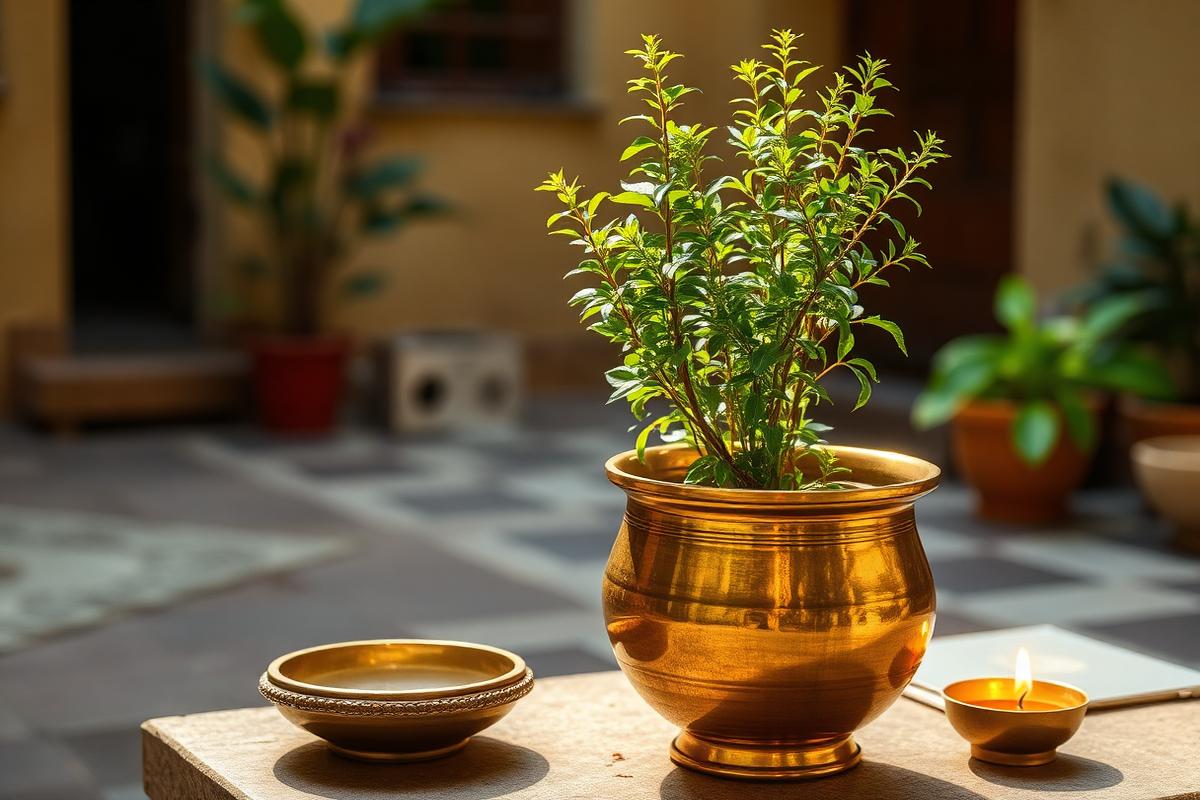
Beyond puja, the coconut has specific rules in Hindu household practice that most urban Hindus are not aware of.
The Sacred Status of Coconut in the Kitchen:
Coconut is the only fruit/nut that can be used in food AND offered to the deity in the same form. Most puja items have a clear division - you can't eat what was offered. But coconut is dual-purpose: the same coconut that is offered is broken and its contents distributed as prasad.
Rules for Coconut in the Hindu Home:
1. Never cut a coconut with scissors - coconut should be broken, not cut. If you must cut it for cooking, make a single clean strike with a knife, not repeated sawing.
2. Never throw away coconut husk carelessly - coconut husk is sacred. Either compost it, or dry it for natural scrubbers. Do not toss it directly in the trash.
3. Never keep a half-coconut uncovered overnight - the opened coconut represents the broken ego and is spiritually vulnerable. Cover it or refrigerate it.
4. Coconut water as Panchamrit substitute - if you run out of cow's milk for panchamrit (the 5-ingredient puja mixture), coconut water is the appropriate substitute per many regional traditions.
5. Naariyal (coconut) as the first gift - when visiting a new home, a patient in hospital, or anyone you want to bless, bringing a whole coconut (with husk intact) as a gift is deeply auspicious. It is the simplest complete offering.
The Body and Coconut:
- Coconut oil in hair: In the south Indian tradition, applying coconut oil to hair before bathing is considered as much a ritual act as a cosmetic one - cooling the head, activating the scalp's marma points
- Coconut water fasting: On Ekadashi and vrat days, coconut water is one of the only liquids allowed in the most strict traditions
The Sacred Spaces and Coconut:
- Doorstep coconut: A whole coconut placed at the doorstep of a home during any auspicious occasion (wedding, gruh pravesh) - kept for 3 days then offered to the temple
- Temple tank coconut: Coconuts are floated in temple tanks (like Pushkar or the Puri sea) - this is one of the oldest forms of offering
Vandnaa App's Puja Guide covers proper coconut handling in all major puja situations - Ganesh chaturthi, Navratri, wedding, and daily home puja.
Festival-by-Festival Coconut Guide - When to Offer, Break, or Keep Whole
Different festivals have different coconut protocols. Here is a quick reference guide.
Ganesh Chaturthi:
- Offer a whole coconut as part of the 21 items (Ekavishati puja patri)
- The coconut is not broken during Ganesh Chaturthi - it is kept as an offering and later distributed
- Modak (Ganesh's favorite sweet) can be made with coconut filling - this is one of the most auspicious Chaturthi preparations
Navratri:
- Kalash coconut: placed on the Ghatasthapana kalash, never broken for 9 days
- Offered at Durgashtami as part of the 9-item puja
- On Navami: the kalash and its coconut are formally ended (visarjan)
Satyanarayan Puja:
- Coconut is an essential component of the Satyanarayan prasad
- Broken after the puja is complete
- The coconut water + sugar forms the base of the prasad
Gruh Pravesh (Housewarming):
- A whole coconut is placed at the entrance by the homeowner as they enter the new home for the first time
- This coconut stays at the threshold for 3 days
- On day 3, it is offered at a temple or river
Vivah (Wedding):
- 3 coconuts: one for Ganesh, one placed in the wedding kalash, one given to the bride's parents by the groom's family
- The wedding coconut may be held by the bride during the wedding ceremony
Shraddha/Pitru Paksha:
- Coconut offered at the tarpan ritual for ancestors
- Never eaten on the day it is offered to ancestors - given to crows or left at the river
Holi:
- Raw coconut is placed in the Holika Dahan fire (the bonfire before Holi)
- The half-burned coconut is retrieved after the fire dies - it is considered especially auspicious prasad from Holika's fire
Pongal / Makar Sankranti:
- Coconut is offered to the sun during the Pongal puja
- Coconut halwa (coconut + jaggery) is the traditional Pongal sweet
Vandnaa App provides festival-specific puja guides that include the correct coconut protocol for every major Hindu festival.
Coconut in Ayurveda: Healing Properties Behind the Sacred Fruit
Coconut's status as the most sacred fruit in Hinduism is not merely symbolic - it aligns with its extraordinary healing properties recognized in Ayurveda, modern nutrition, and traditional medicine.
Coconut in Ayurveda's Tridosha Framework:
Ayurveda classifies all foods by their effects on the three doshas (bodily constitutions):
- Vata (air): Coconut is Vata-pacifying. Its oil, water, and flesh all calm the nervous system and reduce anxiety, dryness, and constipation.
- Pitta (fire): Coconut is strongly Pitta-cooling. Coconut water is one of the most effective natural Pitta-reducers - excellent for heat, inflammation, acidity, skin rashes.
- Kapha (earth): Coconut is slightly Kapha-increasing. People with Kapha imbalance (weight gain, mucus, lethargy) should use coconut oil and meat in moderate quantities.
Coconut Water (Naariyal Jal) - Ayurveda's Natural Tonic:
- Contains natural electrolytes (potassium, sodium, magnesium) in near-identical ratios to human blood plasma
- This is why Ayurveda recommends coconut water during fever, diarrhea, and dehydration
- It is rakta-shodhaka (blood purifying) and cooling (sheetala)
- On fasting days (vrat), coconut water is prescribed because it sustains electrolyte balance without breaking the fast
Coconut Oil - Tridoshic Medicine:
Unlike almost every other oil, coconut oil is tridoshic when used in moderation - it benefits all three dosha types. Its medium-chain triglycerides (MCTs) are:
- Directly metabolized by the liver (not stored as fat)
- Antimicrobial (lauric acid kills H. pylori, Staphylococcus, and Candida)
- Brain fuel for Alzheimer's prevention research
The Daily Coconut Practice:
Ayurveda recommends:
- 1 glass of fresh coconut water in the morning (Vata and Pitta types)
- 1 tablespoon of coconut oil in cooking per day (all types)
- Coconut oil pulling (Gandusha) - swishing 1 tablespoon of coconut oil for 10–15 minutes before brushing - removes oral bacteria, strengthens teeth, and is a classic Ayurvedic morning practice
Why the Sacred and the Medicinal Align:
The Charaka Samhita (Ayurveda's foundational text) specifically lists narikel (coconut) as a Rasayana - a rejuvenating substance that extends youth and vitality. This is one of the most elegant examples of how Hindu sacred traditions were often grounded in extraordinary empirical knowledge of nature's healing properties.
Vandnaa App includes an Ayurveda section with dosha-specific coconut usage guides and a list of seasonal Ayurvedic practices for each festival.
Reader Questions Answered
Why do some temples not allow you to break the coconut yourself?+
Three reasons. (1) Sacred timing - major temples have specific times when coconuts can be broken (during aarti, after specific mantras, etc.); lay devotees may not know the exact ritual moment. (2) Energy management - temple deities are 'consecrated' through specific tantric procedures; coconut breaking releases significant energy and must be done aligned with the deity's energy field. Priests are trained for this. (3) Practical safety - large temples receive thousands of coconut offerings daily; allowing everyone to break them would create chaos. So the standard practice: devotees BUY a coconut from temple-licensed vendors, hand it to the priest who marks it with their name + intention, and the priest breaks it during the next aarti. Devotees receive prasad later. Smaller home pujas: you can break yourself.
Can a coconut be reused if it doesn't break properly the first time?+
If a coconut doesn't break on the first strike, do NOT keep striking weakly. Stop, refocus, take a deep breath, mentally re-state your intention, and strike again with full force. The energetic principle: half-hearted strikes signal half-hearted devotion. If after 2-3 attempts the coconut still doesn't break, it may be a 'sign' - sometimes a deity is asking you to delay the offering or refocus your intention. Wait, pray more, try again. If it still doesn't break: the coconut may be defective (too dry inside, no water). In that case: it is not auspicious - replace with a fresh coconut and try again. Never use a defective or partially-broken coconut for offering.
Should I bring a coconut to a temple if I do not have a specific prayer?+
Yes - coconut offering is appropriate for general 'thank you' visits too, not just specific requests. The coconut can simply be a 'gratitude offering' - a way of saying 'I am here, I acknowledge your presence, I am thankful'. This kind of pure-gratitude offering (asking nothing, just giving) is actually MORE pleasing to deities than transactional 'I want X' offerings. Many spiritual masters say: when you visit temples without specific demands, the deities feel respected and bless you anyway. Bring a coconut, offer it with simple thanks, take prasad, leave. This builds a foundation of pure devotion that supports your specific prayers when you do have them.
Why is breaking coconut considered violent - isn't violence wrong in Hinduism?+
Excellent question that gets to deep philosophy. The 'violence' of coconut-breaking is symbolic, not actual. Coconuts are not sentient beings - breaking one does not cause suffering. The act represents EGO-DESTRUCTION, not real violence. In Hindu philosophy: small symbolic violence against your own ego is encouraged; violence against living beings is forbidden. The same principle applies in animal sacrifice debates: traditional Hindu philosophy (Vaishnav, Jain) increasingly rejects literal animal sacrifice and substitutes symbolic offerings (coconut for skull, pumpkin for head, etc.). The coconut IS that substitute - performing the symbolic 'destruction' without harming any living being. So coconut-breaking is the OPPOSITE of violence - it is non-violent ego-killing. This is profoundly aligned with ahimsa principles.
About the author
Pandit Mahesh Trivedi · Festival Traditions & Panchang
Pandit Mahesh leads the festival-date and Panchang content on Vandnaa. He cross-references multiple regional panchangs (Drik, Vaishnava, Bengali, Marathi) for every festival date published on the site.
Meet the Vandnaa editorial team →Explore on Vandnaa
Related Articles
Why We Ring the Temple Bell: 7 Spiritual Reasons & 3 Scientific Findings (Complete Guide)
8 min read
Diya Jalane Ke Niyam: Right Direction, Best Oil, Number of Wicks & What Every Flame Means
8 min read
Lakshmi Puja at Home Step by Step (घर पर लक्ष्मी पूजा कैसे करें)
9 min read

Daily Puja Routine at Home (घर पर रोज़ की पूजा विधि)
12 min read