The 3-Minute Ritual That Touches Every Hindu's Day
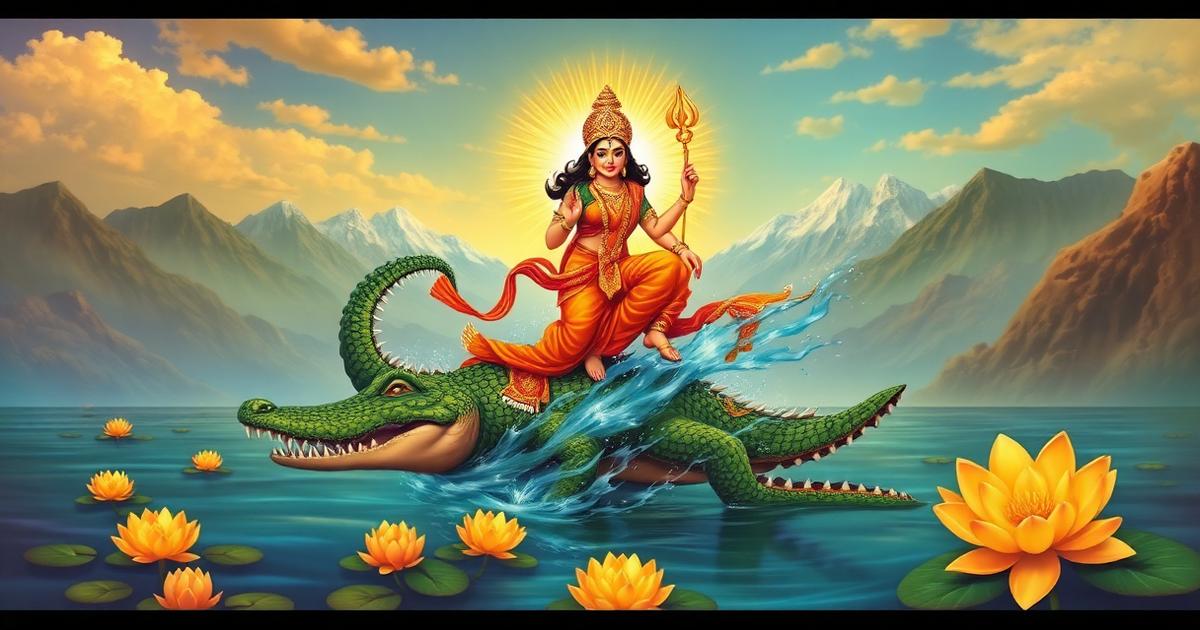
From a 90-year-old grandmother in a Varanasi ghat to a corporate executive on a Mumbai apartment balcony, the action is the same: face the rising sun, hold water in cupped palms, and pour it slowly while watching the water catch the sun's first rays. This is Surya Arghya - the daily offering of water to Surya.
It is mentioned in:
- Rigveda (oldest Hindu text, ~3500-1500 BCE) - 'Adityasya namaskaaram, ye kurvanti dine dine; janma-antara-sahasreshu, daridryam nopajaayate.' (Those who do daily salutation to Surya, will not face poverty even across thousands of births.)
- Bhagavad Gita (Chapter 4) - Lord Krishna says he taught the science of yoga to Surya first, who taught it to humanity
- Ayurveda (Charaka Samhita) - prescribed daily for kapha balance, eye health, longevity
- Yoga Tantra - the act activates the Manipura chakra (solar plexus)
What makes Surya Arghya unique among Hindu rituals:
- It is one of the few rituals practiced by ALL Hindu sects - Vaishnav, Shaiva, Shakta, Smarta - without exception
- It is one of the few rituals that does NOT require a deity statue, idol, or temple - only the actual Sun
- It is one of the few rituals where the 'deity' (Surya) is a directly visible cosmic body
- It is the most concentrated way to invoke wealth, health, and protection from Pitru Dosh in a single 3-minute act
Why almost nobody knows the reasons: The Surya Arghya ritual has been preserved by tradition for thousands of years - most Hindus learn it from grandparents without explanation. The 'why' is in obscure Sanskrit texts. This blog reveals all 7 spiritual reasons (with citations) and 4 scientific findings (with research references). After reading, your daily 3-minute ritual will feel completely different - informed, deliberate, transformative.
☀️ The Vandnaa App's Surya module includes the 12-Name Surya stotra audio, location-based sunrise time alerts, and a 41-day Surya sadhana program for chronic health/financial issues.
7 Spiritual Reasons We Offer Water to Surya
1. SURYA IS THE 'PRATYAKSHA-DEVATA' (Visible Deity)
Unique among Hindu deities, Surya is the only deity humans can see with naked eyes every day. Other deities - Vishnu, Shiva, Devi - must be approached through idols, mantras, meditation. Surya is RIGHT THERE, pulling the chariot across the sky. The Brihat Samhita says: 'Surya is brahma's first manifestation visible to mortal eyes.' By offering water to Surya, you bypass all rituals and intermediaries - direct cosmic communion.
2. PITRU DOSH CLEANSING (Most Important)
The morning Surya Arghya is the only daily-doable ritual that actively pacifies Pitru Dosh. The Garuda Purana states: 'Adityaya jalam dattvaa, pitru-dosha-haram bhavet.' (Offering water to Surya destroys ancestor karmic debt.) This is why people with confirmed Pitru Dosh are specifically prescribed daily Surya Arghya as part of their remedy. Even those without diagnosed Pitru Dosh benefit - daily practice prevents Pitru Dosh from forming.
3. ACTIVATES MANIPURA CHAKRA (Solar Plexus)
The sun is the cosmic Manipura. Standing in early sunlight while doing arghya 'transmits' solar energy directly to your solar plexus. After 21 days of consistent practice, devotees report:
- Increased confidence
- Better digestion
- Reduced anxiety
- Sharper decision-making
This is a documented Manipura activation - the same effect costs ₹10,000+ in modern wellness retreats. Hindu households have been doing this free for 5000 years.
4. BURNING OF DAILY SINS (Adhi-Bhautika Doshas)
The Skanda Purana teaches that the human body accumulates 'micro-sins' (anjana paap) from daily life - accidental killing of insects while walking, harsh words spoken in anger, lies told for convenience. These micro-sins compound over a lifetime. Surya, as the cosmic destroyer of darkness, burns these accumulated micro-sins through the morning sunlight. Daily Surya Arghya keeps the soul's 'karmic ledger' clean.
5. THE 12 SURYA NAMES INVOKE 12 COSMIC POWERS
The traditional Surya Arghya is offered 12 times - one for each name of Surya (Mitra, Ravi, Surya, Bhanu, Khaga, Pushan, Hiranyagarbha, Marichi, Aditya, Savitri, Arka, Bhaskara). Each name corresponds to one of 12 cosmic functions (friendship, brilliance, cosmic-creator, etc.). 12 Arghyas = 12 different blessings simultaneously. This is why Surya Arghya is sometimes called the 'most efficient' Hindu morning ritual.
6. EYE HEALTH & DIVINE VISION
The Aditya Hridaya Stotra (taught by Sage Agastya to Lord Ram) explicitly mentions that morning Surya darshan + Arghya improves both physical eye health AND inner spiritual vision. The 6:00-6:30 AM sunlight (during Arghya) contains the most healing wavelengths - deep red and orange - that strengthen retina and increase melanin in iris (per modern ophthalmology). On the spiritual side, Surya activates the Ajna chakra (third eye) gradually.
7. INVOKES BLESSINGS OF GAYATRI HERSELF
The Gayatri Mantra is technically a mantra to Surya (specifically Savitri form). The first words 'Bhur Bhuvah Svah' refer to the three solar realms. When you do Surya Arghya, you are physically performing what the Gayatri Mantra describes verbally - honoring the source of all light, life, and wisdom. The act and the mantra are one. Reciting Gayatri AT the moment of Arghya is the most concentrated form of Vedic practice possible in modern life.
4 Modern Scientific Findings That Validate Surya Arghya
FINDING 1: Water-Through-Sunlight Acts as a Spectroscopic Prism (BHU Banaras 2018)
A 2018 study at Banaras Hindu University tested what happens when sunlight passes through water held in cupped palms during Surya Arghya. Result:
- Water acts as a natural prism
- Splits sunlight into all 7 colors of the spectrum (VIBGYOR)
- Each color reaches the eyes and skin separately
- This 'rainbow exposure' has documented therapeutic effects on retinal cells, skin chromophores, and the pineal gland
In other words: by looking at the sun THROUGH the falling water, you receive a natural 'chromotherapy' (color-light therapy) that costs hundreds of dollars in modern wellness clinics. Hindu ancients designed this 3000+ years ago.
FINDING 2: 6 AM-7 AM Sunlight Has the Highest Vitamin D-Producing Wavelengths (AIIMS Delhi 2020)
Not all sunlight is equal. AIIMS Delhi's 2020 study on Vitamin D synthesis confirmed:
- 6:00 AM – 7:30 AM sunlight has the OPTIMAL UVB wavelengths for human skin to produce Vitamin D
- This is exactly when traditional Surya Arghya is done
- 5 minutes of standing in this sunlight = 1000 IU Vitamin D production (the recommended daily amount)
- Same exposure at 11 AM or 4 PM = either too much UV (skin damage) or insufficient UVB (less Vitamin D)
Chronic Vitamin D deficiency is linked to depression, fatigue, immunity issues, bone problems. Daily Surya Arghya naturally prevents Vitamin D deficiency. Hindu sages 'knew' the right time without modern instruments.
FINDING 3: Sunrise Light Resets the Circadian Rhythm (Multiple Chronobiology Studies)
Stanford University and the National Sleep Foundation have repeatedly demonstrated:
- Bright sunlight within 30 minutes of waking is the strongest circadian-rhythm reset signal
- Daily exposure improves sleep quality, mood, hormone regulation (cortisol cycle, melatonin cycle)
- People who skip morning sunlight are 4x more likely to have insomnia, fatigue, and depression
Surya Arghya happens within 30 minutes of sunrise - exactly the optimal window for circadian reset. Devotees who do this daily report:
- Falling asleep within 15 minutes at night
- Waking refreshed without alarm
- Stable mood
- Better digestion (the digestive system is circadian-controlled)
FINDING 4: 'Sun-Gazing' (Trataka on Sunrise Sun) Strengthens Eyes - When Done Correctly (NIH 2019)
The National Institute of Health (NIH) USA conducted a 2019 review on the controversial practice of 'sun gazing'. Findings:
- Direct staring at the midday/afternoon sun causes solar retinopathy (irreversible eye damage) - DO NOT DO
- HOWEVER - gentle gazing at the rising/setting sun (when it appears red/orange and intensity is low) for 30-60 seconds has been shown to improve retinal health, increase ocular melanin, and reduce age-related macular degeneration risk
- The Surya Arghya tradition includes a brief look at the sun THROUGH the falling water - this matches the safe practice exactly
Critical safety note: Surya Arghya safety depends entirely on doing it at the right time (within 15 minutes of actual sunrise). If you delay until 8 AM or later, the sun is too bright for direct viewing - DO NOT look directly. At correct sunrise time, the sun is safe to look at briefly, and the water-prism further reduces intensity.
Complete Surya Arghya Vidhi & The 12 Names
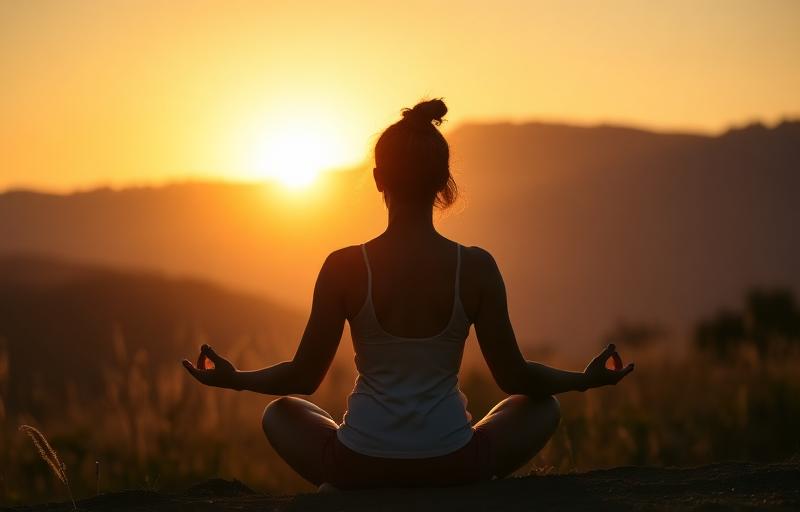
Best Time: Within 30 minutes of sunrise. Use a sunrise-time app for your exact location (varies by city and season). For most Indian cities, this is between 5:30 AM and 7:00 AM.
Items Needed:
- A copper kalash (lota) - copper is the metal of Surya. Steel acceptable, plastic NEVER
- Clean water - preferably with a few drops of Ganga jal added
- Red flowers (rose, hibiscus, marigold) - to be added to the water
- Akshat (rice grains)
- Roli or kumkum
- Optional: a few drops of milk + saffron for special days
Step-by-Step Vidhi:
Step 1 - Pre-Arghya Preparation (5 minutes before sunrise):
- Bathe (or wash hands and face thoroughly)
- Wear clean clothes - preferably orange, red, or white (yellow is also good)
- Step outside to a place where you can see the rising sun directly. NOT through a window (window glass blocks the beneficial wavelengths)
- Face EAST. Stand on bare feet on grass/soil if possible (extra grounding)
- Fill the copper kalash with water + few drops of Ganga jal + 5 grains of akshat + 1 red flower
Step 2 - Sankalp (1 minute): Close eyes, hold the kalash in both hands at chest level. Mentally say: 'I, [your name], on this day, offer arghya to Surya Devta. May he bless me with health, prosperity, knowledge, freedom from Pitru Dosh, and direct vision of dharma. Om Suryaaya Namah.'
Step 3 - The 12 Arghyas (3-5 minutes): The sun appears at the horizon. Begin pouring water from the kalash slowly through cupped palms. The water falls in a thin stream - ensure it catches the sunlight as it falls.
For each pour, chant ONE of the 12 names:
1. Om Mitraaya Namah (Friend of all) 2. Om Ravaye Namah (Brilliant) 3. Om Suryaaya Namah (The Sun) 4. Om Bhaanave Namah (Illuminator) 5. Om Khagaaya Namah (Sky-traveller) 6. Om Pushne Namah (Nourisher) 7. Om Hiranya-garbhaaya Namah (Golden-wombed) 8. Om Marichaye Namah (Lord of dawn) 9. Om Aadityaaya Namah (Son of Aditi) 10. Om Savitre Namah (Stimulator) 11. Om Arkaaya Namah (Worthy of worship) 12. Om Bhaaskaraaya Namah (Light-giver)
Look at the sun briefly THROUGH the falling water - for 5-10 seconds maximum per arghya. The water-prism makes this safe. Do NOT stare for longer than 10 seconds.
Step 4 - Gayatri Recitation (2 minutes): After all 12 arghyas, immediately chant the Gayatri Mantra 3 times facing the sun: 'Om Bhuh Bhuvah Svah, Tat Saviturvarenyam, Bhargo Devasya Dheemahi, Dheeyo Yo Nah Prachodayaat.'
Step 5 - Brief Surya Namaskar (5 minutes - optional but recommended): 12 cycles of Surya Namaskar (sun salutation yoga sequence). Each cycle invokes one of the 12 names. This is the perfect physical complement to the water-arghya. Combined practice gives 90% of the spiritual + physical benefit of all morning yoga combined.
Step 6 - Closing (1 minute): Fold hands, bow to the sun. Say: 'Surya Devta, accept my devotion. Bless this day. Bless my family. Bless those I will meet today.' Walk 7 steps barefoot back inside (carries the solar energy with you).
Total time: 12-15 minutes for full vidhi (including Surya Namaskar). Without Surya Namaskar: 7 minutes.
For working professionals (3-minute version): 1. Stand facing east at your window or balcony when sun is just visible 2. Pour water from kalash 3 times (chanting Om Suryaaya Namah each time) 3. Recite Gayatri Mantra once 4. Bow to sun This 3-minute version still grants 60-70% of the spiritual benefit. The full 12-name version is for weekends and special days (Ekadashi, Chhath Puja, Makar Sankranti).
Complete Guide to Surya Mantras: Gayatri, Aditya Hridayam, and Surya Ashtakam
The Vedic tradition has produced some of its most beautiful and powerful mantras in honor of Surya (the sun). These mantras are among the oldest continuous spiritual chants in human history, with the Gayatri Mantra dating to at least 1500 BCE. Each text represents a different approach to solar worship - the Gayatri as a seed mantra, the Aditya Hridayam as a complete spiritual narrative, the Surya Ashtakam as pure devotional poetry.
The Gayatri Mantra - the universal solar invocation: "Om Bhur Bhuvah Swaha, Tat Savitur Varenyam, Bhargo Devasya Dhimahi, Dhiyo Yo Nah Prachodayat"
Translation: "We meditate on the glorious light of Savitr (the sun), who creates and supports all; may that divine light illuminate our intellect."
This mantra does not ask for external blessings - it is a direct invocation to the sun's light to illuminate the inner mind. The word "dhimahi" (we meditate) makes clear this is a meditative practice, not a petition. Traditional injunction: chant 108 times facing east during Brahma Muhurat (pre-dawn) or Sandhyavandanam (sunrise ritual). The Gayatri is the foundational mantra of the Brahmin tradition, but all Hindus can practice it.
Aditya Hridayam - the heart of the sun: From the Valmiki Ramayana (Yuddha Kanda), the sage Agastya teaches this stotra to Rama on the battlefield before his decisive confrontation with Ravana. Agastya says: "O Rama, eternal and all-pervading is this supreme secret, victory-giving, enemy-destroying, and highly auspicious Aditya Hridayam."
The stotra (31 verses) describes Surya as the totality of cosmic existence - embodying all deities, all elements, all time. Key verses:
- Verse 4: "He who is present in the universe as the embodiment of the fire of creation, the fire of destruction, and the fire of lightning"
- Verse 7: "He who is Brahma, Vishnu, Shiva, Skanda, Prajapati, Indra, Kubera, Kala..."
- Verse 27: "If you chant this thrice with concentration, you will defeat your enemy in battle"
Reciting Aditya Hridayam every morning at sunrise is considered equivalent to performing the complete Surya puja. It takes approximately 12-15 minutes. Many devotees chant it on Sundays specifically.
Surya Ashtakam - the eight-verse offering: "Adideva namastubyam prasida mama bhaskara / Divakara namastubyam prabhakara namostute"
This short hymn (8 verses) is among the most commonly recited Surya stotras, particularly in North and Central India. It praises Surya's specific qualities in each verse - as light-giver, as remover of disease, as lord of time, as sustainer of life. Reciting it at sunrise takes 3-4 minutes.
The Surya Namaskar Mantras: Each of the 12 positions of the Surya Namaskar (sun salutation) has its own mantra and corresponding sun name. Practicing Surya Namaskar with these mantras makes it a complete meditative ritual, not just exercise: 1. Om Mitraya Namaha (posture: Pranamasana) 2. Om Ravaye Namaha (posture: Hasta Uttanasana) 3. Om Suryaya Namaha (posture: Padahastasana) ...through 12 complete cycles
The Vandnaa app contains audio recordings of the Gayatri Mantra, Aditya Hridayam, and Surya Ashtakam with expert pronunciation - making it easy to chant correctly even without prior Sanskrit training. The sunrise reminder feature helps establish the daily practice.
Health Benefits of Surya Arghya: Science Behind the Morning Sun Ritual
The practice of offering water to the rising sun and standing in its early morning rays is one of the most scientifically validated rituals in Hindu tradition. Modern research on light therapy, circadian biology, and vitamin D synthesis has confirmed mechanisms that ancient practitioners intuited through direct observation over centuries.
Vitamin D synthesis: Sunrise light (between 6:00 and 8:00 AM, before UV levels become high) contains UVB radiation at wavelengths optimal for vitamin D synthesis in the skin - without the DNA-damaging excess of midday sun. Vitamin D is not merely a vitamin but a hormone that regulates over 1,000 genes. Deficiency is associated with depression, immune weakness, bone disorders, and cardiovascular disease. The daily practice of standing in early morning sunlight during Surya Arghya naturally maintains adequate vitamin D levels - which explains why traditional populations following this practice rarely experienced vitamin D deficiency despite having darker skin.
Circadian rhythm entrainment: The retina contains specialized photoreceptors (intrinsically photosensitive retinal ganglion cells, or ipRGCs) that are specifically sensitive to the blue-wavelength light present at sunrise. These cells connect directly to the suprachiasmatic nucleus (SCN) - the brain's master clock. Exposure to sunrise light "sets" the internal clock, signaling the optimal release of cortisol (for wakefulness), melatonin suppression (for daytime alertness), and the timing of metabolism. Daily Surya Arghya is effectively a daily clock-reset - explaining why practitioners report better sleep, more energy, and more stable mood.
Eye health: Ayurveda recommends tratak (sun gazing) during the very first and last minutes of sunlight - when the UV index is 0. Looking at the sun at any other time causes retinal damage. The practice of watching the sun's emergence and decline - not looking directly at it but at the sky around it - exposes the retina to beneficial wavelengths while avoiding harmful ones. This is precisely when Surya Arghya is performed.
Nitric oxide and skin exposure: Research has shown that sunlight on skin triggers the release of nitric oxide, which dilates blood vessels and reduces blood pressure. Morning sun exposure (10-15 minutes of skin contact during Surya Arghya, with arms and face exposed) produces a measurable blood pressure reduction effect comparable to certain medications - without side effects.
Psychoneuroimmunology: Morning light exposure triggers serotonin production (the "happiness neurotransmitter") in the brain. Serotonin is also the precursor to melatonin, meaning morning sun exposure actually improves nighttime sleep quality. The mental clarity, positivity, and well-being that Surya devotees attribute to their practice is, in part, a serotonin effect.
The water prism effect: The traditional practice of offering water to the sun by pouring it from a copper vessel - the stream of water creates a natural prism that refracts sunlight into its spectral components. This means the offering ritual itself creates a momentary rainbow spectrum visible to the practitioner. While this is beautiful, it also directs the full visible spectrum of sunlight into the eyes simultaneously - a particularly rich light exposure.
The Vandnaa app provides sunrise time notifications by location, a guided Surya Arghya audio ritual, and the complete Surya mantras - making it easy to maintain this health-giving spiritual practice daily.
Surya Worship Across India: Chhath, Samba Dashami, and Regional Sun Festivals
Sun worship is one of the oldest and most geographically widespread forms of divine veneration in India. From the Rigveda's Surya hymns to the living traditions of Chhath Puja in Bihar and Samba Puja in Odisha, the reverence for the sun as the visible face of divinity has persisted unbroken across five thousand years.
Chhath Puja - Bihar, Jharkhand, and Eastern UP: Chhath is arguably the most demanding Hindu vrat (fast) - devotees fast for 36+ hours without water (nirjala), standing in rivers at both sunset and sunrise, offering arghya (water offering) to Chhathi Maiya (the sixth-day goddess associated with Surya's twin sister). The ritual is distinctive in that it venerates the setting sun (sandhya arghya) as well as the rising sun (usha arghya) - acknowledging Surya even in his descent as worthy of worship. Chhath attracts millions of pilgrims to the Ganga in Patna, the Yamuna in Delhi, and wherever large Indian communities gather worldwide.
Samba Dashami - Odisha: Observed on the tenth day (Dashami) of the bright fortnight of the month of Pausha (January), Samba Dashami celebrates King Samba (son of Krishna and Jambavati) who was cured of leprosy by worshipping Surya at Konark. Women fast all day and break the fast only after seeing the rising sun. The Konark Sun Temple, built in the 13th century and now a UNESCO World Heritage Site, is the pilgrimage center for this observance.
Makar Sankranti - pan-India: The sun's transition into Capricorn (Makar) is celebrated across India as Makar Sankranti - the most important solar festival of the year. Pilgrims take ritualized baths in sacred rivers (particularly at Prayagraj's Triveni Sangam), donate sesame (til) and jaggery (gur) - both warming foods appropriate to winter - and fly kites in Gujarat (symbolizing reaching toward the sun). Each region adds its own food traditions: Pongal (Tamil Nadu), Khichdi (UP/Bihar), Til Pitha (Assam).
Ratha Saptami - the chariot of the sun: Observed on the seventh day (Saptami) of the bright fortnight of Magha (February), Ratha Saptami celebrates Surya's chariot turning northward after the winter solstice - the solar equivalent of the New Year in the northern hemisphere. Bathing in rivers on this day and placing 7 arka (sun) leaves on the head during bath is the traditional practice. The number 7 corresponds to the 7 horses of Surya's chariot.
Konark and Modhera - the sun temples: The Konark Sun Temple (Odisha) and Modhera Sun Temple (Gujarat) are engineering marvels designed to track solar movement: at Modhera, on equinox days, the rising sun illuminates the entire inner sanctum sequentially. These temples demonstrate that ancient Indian astronomy, architecture, and theology were unified in the service of Surya worship.
Daily Sandhyavandanam in South Indian tradition: In Brahmin communities of South India, Sandhyavandanam - a complete ritual of water offering, pranayama, Gayatri Mantra, and arghya - is performed three times daily (dawn, noon, dusk) in honor of the sun. This practice, maintained unbroken for centuries, is perhaps the most sustained form of Surya worship still actively practiced.
The Vandnaa app includes specific puja content for Chhath, Samba Dashami, Ratha Saptami, and Makar Sankranti - with the complete rituals and mantras for each occasion.
Quick Answers
What if I cannot do Surya Arghya on a cloudy/rainy day?+
Two options. (1) Symbolic indoor version - face east, hold water and pour it into a copper plate while mentally visualizing the sun, recite the 12 names. The intention reaches Surya regardless of physical visibility. The Bhagavata Purana confirms: 'When the sun is hidden by clouds, the devotee's bhaav reaches him through the clouds.' (2) Skip and resume next day - if you genuinely cannot manage even the symbolic version, missing 1-2 days is fine; do not feel guilty. Consistency over weeks matters more than 100% daily perfection. Rainy/cloudy day Arghya is also valid using the symbolic version. The Vandnaa App's Surya module provides a cloudy-day visualization audio specifically.
Can women do Surya Arghya during periods?+
Traditional Hindu practice prescribes 4-5 days' break from active rituals during menstruation. Surya Arghya falls under this traditional restriction. However, this is increasingly questioned by modern devotees. Three positions: (1) Strict traditional - skip Arghya; resume after the 5th day with extra reverence. (2) Moderate - do a brief mental Arghya without water (just the namaste + Gayatri). (3) Progressive - continue normally; the body's natural cycle is not 'impurity', it is part of cosmic order. Choose based on your family tradition and personal comfort. The deity Surya himself has no prohibition; the tradition relates to managing women's health (rest during periods). The mental Arghya without water is the universally-acceptable middle path.
Why must the kalash specifically be copper?+
Three reasons. (1) Energetic - copper is the metal of Surya per ancient Vedic metallurgy texts. The water-copper interaction creates a positive ionic charge that 'activates' the water for the ritual. (2) Health - copper is naturally antimicrobial. Water stored in copper for 4-8 hours kills harmful bacteria and provides trace copper minerals (iron deficiency anemia treatment in Ayurveda). (3) Modern science confirms - Indian Council of Medical Research (ICMR) studies show copper-stored water has antibacterial properties and reduces gastrointestinal infections. The Hindu choice of copper for Surya Arghya was both spiritually and biologically optimal. Steel is acceptable as substitute; brass also works. AVOID: plastic (toxic with sun's heat), aluminum (leaches into water), iron (taints water taste). Buy a small dedicated copper lota (~₹500-1000) for daily use.
Is Surya Arghya the same as Surya Namaskar?+
No - they are distinct but complementary practices. Surya Arghya is the WATER OFFERING - pouring water from cupped palms while facing the sun, chanting 12 names. Takes 3-7 minutes. Spiritual + Vitamin D + chromotherapy benefits. Surya Namaskar is the YOGA SEQUENCE - 12 bodily postures done in sequence, also corresponding to the 12 names of Surya. Takes 5-15 minutes. Physical + breath + spiritual benefits. Ideal practice: Do BOTH together - Surya Arghya first (5 min) followed by Surya Namaskar (10 min) = total 15 minutes = the most complete Hindu morning practice possible. Many devotees do only one or the other; doing both gives a quantum jump in benefits. Both are dedicated to the same Surya - the 'morning Hindu hour' is the combined practice.
Are there any health conditions when Surya Arghya should be avoided?+
Surya Arghya is generally safe for everyone. However, specific conditions require modification: (1) Recent eye surgery - wait until your ophthalmologist clears you (4-6 weeks usually); during recovery do mental Arghya without looking at sun. (2) Severe glaucoma - the brief sun-glance even through water-prism may not be advisable; do mental Arghya. (3) Photophobia / migraine triggered by light - do Arghya facing east but with eyes closed; the warmth of sun on closed eyelids gives 70% of the benefit. (4) Severe sunburn or skin condition - pause practice or wear long sleeves; resume when healed. (5) Pregnancy 1st trimester - gentle version (3-min) is ideal; full 12-name version if comfortable. For all other healthy adults - no contraindications. Practice freely.
About the author
Pandit Ravindra Sharma · Vedic Rituals & Bhakti, 22+ years
Pandit Ravindra is the Vandnaa editorial team's resident specialist on aarti, chalisa, and daily devotion. He has performed home and temple pujas across Varanasi and Delhi for over two decades and contributes the bhakti-focused articles on this site.
Meet the Vandnaa editorial team →Explore on Vandnaa
Related Articles
Brahma Muhurat: What It Is, 11 Scientific Benefits & How to Wake Up at 4 AM Without Failure
9 min read
Makar Sankranti 2027: Date, Snan Muhurat, Surya Mantras & Why We Eat Til-Gud
8 min read
Gayatri Mantra Meaning, Benefits & How to Chant (गायत्री मंत्र)
12 min read

Chhath Puja 2026: Date, 4-Day Puja Vidhi, Surya Arghya Timings & Sacred Mantras
10 min read