An Ancient and Universal Custom
Across India, every temple, home mandir and many sacred spaces require visitors to leave their footwear outside. The custom is so deeply rooted that even at home, shoes are kept away from the puja room and kitchen. It rests on a simple idea - that a place where the divine is present, or where we eat and pray, should be kept clean, pure and set apart from the dust of the outside world.
Footwear, Impurity and Leather
Footwear carries the dirt, dust and impurity of every road, drain and unclean place we walk through, so bringing it into a sacred space is seen as carrying that impurity to the deity. Traditionally, much footwear was made of leather, which comes from a dead animal and is therefore considered ritually impure (ashuddha) and unfit near worship. Leaving shoes outside keeps the sanctity of the shrine intact.
Humility Before the Divine
Removing footwear is above all an act of humility and surrender. Standing barefoot before God, we set aside our status, comfort and ego, presenting ourselves simply and openly. In Hindu tradition we also remove shoes before elders and in their homes as a mark of respect, and the temple is the home of the deity - so we enter it as humble guests, not as the outside world's busy travellers.
The Hygiene and Energy Angle
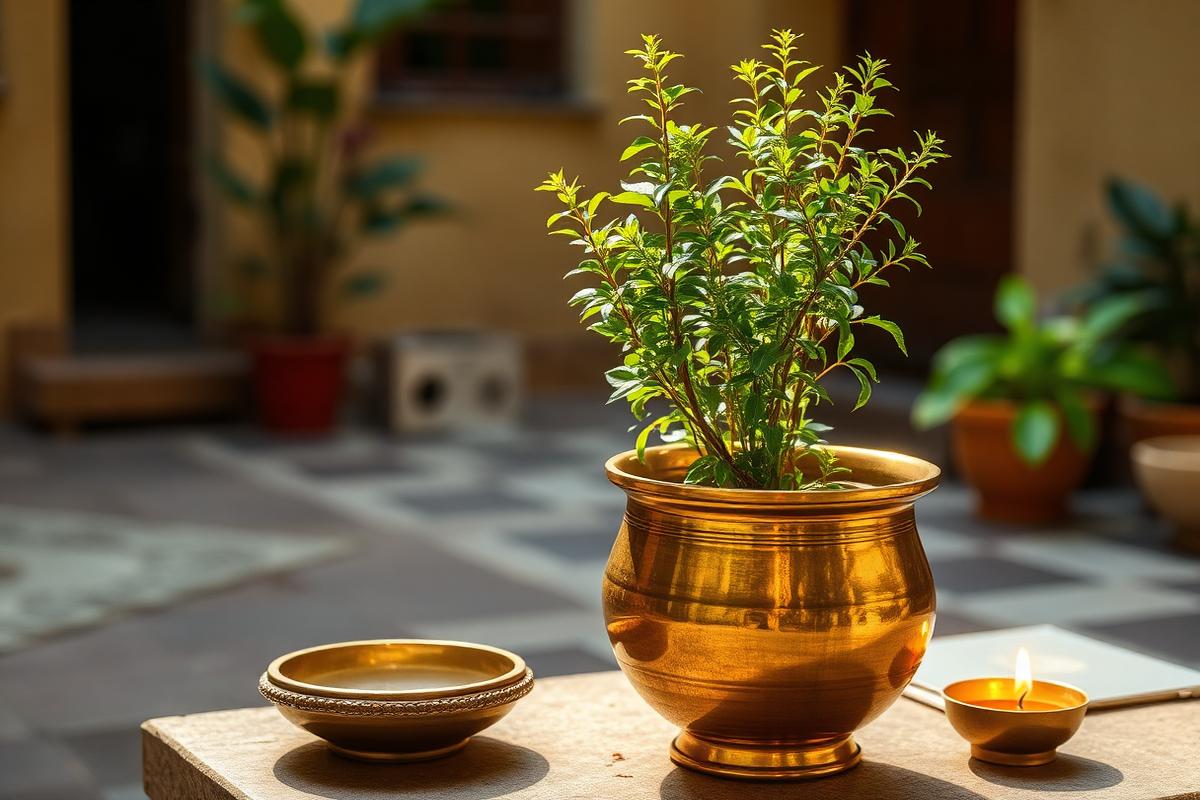
Practically, removing footwear keeps germs, mud and dirt out of spaces where people sit on the floor, eat prasad and touch the ground in prayer - a powerful hygiene measure long before modern science. Temple floors, often of stone, marble or copper, are believed to carry grounding energy that bare feet absorb directly. Walking barefoot also stimulates pressure points in the soles, which traditional thought links to calmness and good health.
The Correct Practice
1. Remove footwear at the designated stand or entrance, never beyond the threshold. 2. Wash or wipe your feet and hands before entering if facilities are available. 3. Keep socks off too in many temples, as the rule is about contact with outside impurity. 4. At home, keep a clear boundary so shoes never enter the puja room or kitchen. 5. Step in with the right foot first as a mark of auspiciousness. Leave footwear neatly so it does not block others, and avoid pointing the soles toward the shrine.
Benefits of the Practice
Removing footwear keeps sacred spaces clean and disease-free, protects the shared floor where everyone sits and prays, and instantly creates an atmosphere of respect. Spiritually, it cultivates humility and signals to the mind that one is now entering a space set apart for the divine. Standing barefoot on cool stone also calms the body, helping devotees settle and turn inward for prayer.
Frequently Asked Questions
Why is footwear considered impure in temples?+
Footwear carries dirt and impurity from every road and unclean place we walk through. Much of it is also leather, made from a dead animal, which is considered ritually impure and unfit near worship.
Is removing footwear about humility or hygiene?+
It is both. Standing barefoot before God expresses humility and surrender, while keeping shoes out also protects the sacred floor from germs and dirt - a tradition of both devotion and hygiene.
Should socks also be removed in temples?+
In many temples socks are removed too, since the rule is about keeping outside impurity away from the sacred space. Following the specific temple's custom is the respectful choice.
Why do we walk barefoot in the temple?+
Temple floors of stone, marble or copper are believed to carry grounding energy that bare feet absorb. Walking barefoot also stimulates pressure points in the soles, which tradition links to calm and health.
Should shoes be kept out of the home puja room too?+
Yes. The home mandir is treated like a temple, so footwear should never enter the puja room or kitchen. Keeping a clear boundary preserves the purity and sanctity of these spaces.
Which foot should enter the temple first?+
Stepping in with the right foot first is considered auspicious in Hindu tradition. One should also enter calmly and avoid pointing the soles of the feet toward the shrine.
About the author
Pandit Mahesh Trivedi · Festival Traditions & Panchang
Pandit Mahesh leads the festival-date and Panchang content on Vandnaa. He cross-references multiple regional panchangs (Drik, Vaishnava, Bengali, Marathi) for every festival date published on the site.
Meet the Vandnaa editorial team →Explore on Vandnaa
Related Articles

Home Mandir Setup - Direction, Vastu Rules, Dos and Don'ts
9 min read
Why We Eat Prasad With the Right Hand - Meaning & Vidhi
8 min read
Why We Offer Akshat (Unbroken Rice) in Puja - Meaning & Vidhi
8 min read
Why We Use Silver & Copper Vessels in Puja - Meaning & Vidhi
9 min read
Gau Mata Puja - Significance, Benefits & Vidhi to Worship the Cow
9 min read
Why We Do Panch Aarti (Five Lamps) - Meaning & Significance
8 min read