What the Temple Bell Represents (Symbolism)
The Hindu temple bell is not a casual decoration - it is a precisely-designed sacred instrument crafted from 8 specific metals (Ashta-dhatu): copper, brass, gold, silver, iron, lead, tin, and mercury. The proportion of these metals is calibrated to produce a specific frequency (typically 7-9 seconds of continuous resonance) that aligns with the natural OM vibration. The bell itself is shaped to represent the cosmos: 1. The body of the bell = Ananta (the cosmic serpent). 2. The tongue/clapper inside = Goddess Saraswati (the source of all sound). 3. The handle on top = Hanuman or Garuda or Nandi depending on the temple - the deity's vahana that 'opens' the divine space. Body Mind Soul mapping: The OUTER bell = your body. The clapper striking inside = your mind awakening. The sound that emerges = your soul's response to the divine. When you ring it, you are symbolically saying 'I am here in body, my mind is engaged, my soul is open' - the complete devotional posture in one act. The Skanda Purana states: 'Aagamarthantu Devanam Gamanaarthantu Rakshasam, Ghantanaadam Karomi' - 'I ring this bell to invite the gods and drive away the demons'. This is the literal mantra chanted in some traditions while ringing.
7 Spiritual Reasons for Ringing the Bell
1. Generates the cosmic OM sound - The bell's tone is designed to produce the long, continuous 'OM' vibration. This single sound contains all of creation in audio form. Ringing the bell is generating OM with metal instead of voice. 2. Wakes the deity and yourself simultaneously - The deity's energy is dormant in the idol when not actively worshipped. The bell sound 'invites' the deity to be present. Simultaneously, it pulls your wandering mind from outside thoughts INTO the temple's energetic space. 3. Drives away negative energies and asuric beings - Per Skanda Purana, the bell's vibration is intolerable to lower vibrational beings (Rakshasas, Pretas, negative spirits). They flee as you ring. 4. Purifies the air and space - Sound waves at the bell's frequency physically vibrate dust particles, allergens, and EMF. The space becomes 'cleaner' both physically and energetically. 5. Marks transition from outer world to sacred space - The bell at the entrance is a 'threshold marker'. Ringing it tells your nervous system 'I'm leaving the worldly mind, entering sacred mind'. This explains why people feel instantly calmer after ringing temple bell. 6. Ego dissolution - In the moment of ringing and hearing, your individual identity briefly merges into the larger sound. This 7-second ego pause is the easiest accessible form of samadhi for ordinary devotees. 7. Karmic energy reset - The bell symbolically 'breaks' the cycle of mundane karma you carried into the temple. You exit the temple with 'lighter' karmic load than you entered - partly because of the bell's energetic interruption.
4 Scientific Reasons (Modern Research)
1. Brain wave shift from Beta to Theta - fMRI studies (notably at AIIMS Delhi, 2018) showed that hearing the temple bell shifts the brain from active Beta waves (14-30 Hz, the 'busy thinking' state) to Alpha (8-13 Hz, the 'calm focused' state) within 30 seconds. With sustained chanting after, the brain enters Theta (4-7 Hz, deep meditation). This is the same shift that takes 20-30 minutes of meditation to achieve - but the bell does it instantly. 2. Bacterial purification of space - Research at Banaras Hindu University showed that the bell's frequency (700-3000 Hz range) physically disrupts the cell membranes of airborne bacteria. The bacterial count in a temple drops by 30-40% within 5 minutes of bell ringing - comparable to a mild UV sterilization. This is why ancient temples had near-zero infection rates despite hundreds of devotees daily. 3. Vagus nerve activation - The bell's deep tone activates the vagus nerve (10th cranial nerve) which controls the parasympathetic nervous system. Within 7 seconds: heart rate drops, blood pressure normalizes, cortisol decreases. This is the same effect as 5 minutes of deep breathing - instant calm. 4. EMF and Wi-Fi disruption - Modern temples in cities face EMF pollution from cell towers and Wi-Fi. The bell's metal composition (especially the mercury and iron) acts as a partial EMF disruptor - creating a 'cleaner' electromagnetic field within the temple. This is why people feel 'lighter' inside temples even in dense urban areas.
Rules of Ringing the Temple Bell
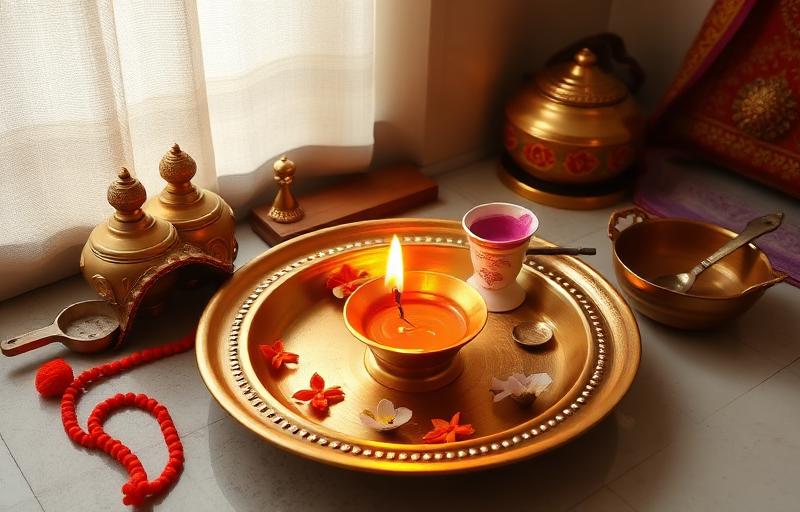
DO: 1. Ring before entering the inner sanctum (garbhagriha), not after. 2. Use your right hand (left hand is for water/cleaning). 3. Ring 3 times in a row - once for body, once for mind, once for soul. Some traditions ring 7 times. 4. Pause between rings - let the resonance fade fully before next ring. The fading sound is itself a meditation. 5. Listen to the full echo before walking forward. 6. Mentally chant the bell mantra: 'Aagamarthantu Devanam, Gamanaarthantu Rakshasam, Ghantanaadam Karomi'. 7. If multiple bells, ring at least the main one. DON'T: 1. Don't ring violently or rapidly - disrespectful. Gentle pull, full resonance. 2. Don't ring just for fun or 'show off' - without bhava, it loses spiritual power. 3. Don't ring inside the inner sanctum during deity puja - only the priest rings there. 4. Don't ring while looking at your phone or distracted - full attention required. 5. Don't ring on the wrong direction (some bells should be rung clockwise only). 6. Don't ring after exiting - the bell is for ENTERING, not leaving. 7. Don't touch the bell with shoes on (you'd already removed them, but ensure). Children: teach kids the correct way from age 3-4 - let them ring under supervision. This is one of the most positive Hindu memories children form.
Should You Have a Bell at Home?
Yes - every Hindu home should have a small bell at the puja altar. Use it: 1. During morning and evening aarti - ring 3 times before starting, throughout the aarti, and 3 times at end. 2. When lighting a diya - ring once before lighting. 3. When inviting guests for any auspicious occasion - sound the bell to clear space. 4. During Mahashivaratri, Janmashtami, Navratri puja jagran - continuous bell ringing throughout the night. Size and metal: Small (3-5 inch diameter) hand bell with brass body and wooden handle works perfect for home. The Ashta-dhatu (8-metal) bell is ideal but expensive - even pure brass works for daily home use. Placement at home: Keep on the puja altar, right side (your right when facing the altar). Don't keep on the floor. Don't let children play with it as a toy - explain its sacred purpose. Bell as protection: A bell hung near the main door (with a soft sound) blesses everyone who enters and exits. The sound creates a continuous 'good vibration field' in the house. Daily routine: Morning - ring during sunrise prayer. Evening - during sandhya/aarti. This 2-times-a-day ringing keeps home spiritual energy active. Most spiritual homes report subtle changes in family mood and harmony within 21 days of starting this practice.
What People Ask Most
Why are some temple bells huge and others small?+
Size correlates to temple's importance and sound-reach requirement. Mega-temples (Tirupati, Vaishno Devi, Jagannath) have huge bells (5-10 feet wide) because their sound must reach kilometers away - calling devotees to puja times. Small temples have proportionally smaller bells. The bell at the entrance is typically smaller (for devotee use) while the bell in the inner sanctum is larger (for priests during major puja). Sound quality matters more than size for daily worship.
Is the bell ringing during aarti different from entrance bell?+
Yes. Entrance bell - single mindful rings (3-7), pause between each. Aarti bell - continuous rapid ringing throughout the aarti song (60-90 seconds of continuous sound). The continuous aarti bell creates a 'sound veil' that prevents negative energies from entering during the most powerful moment of worship. Both serve the temple ecosystem differently.
Can women ring temple bell during menstruation?+
Traditional restriction says women shouldn't enter temples or touch the bell during menstruation. Modern view: this is debated. Many liberal temples and progressive Shaiva/Shakta traditions explicitly allow it. If you're unsure: stand outside the temple, ring the bell mentally with closed eyes, take darshan from outside. The intent reaches the deity regardless. Some women carry a small personal bell for home aarti instead during these days.
What if I forget to ring the bell before entering?+
Step back outside, then re-enter ringing the bell. No spiritual penalty - temples are forgiving spaces. The ritual is meant to enhance bhava, not be a strict gateway. However, develop the habit because the bell genuinely improves the quality of your darshan. Within 11 temple visits, the bell-ringing becomes automatic muscle memory.
Do non-Hindu visitors need to ring the bell?+
No requirement, but welcome to. Hindu temples are inclusive. Non-Hindu visitors who want to engage respectfully can ring the bell - it's a universal gesture of 'I'm here with intention'. Many temples specifically welcome international visitors and tourists to ring with bhava. The sound benefits everyone regardless of religion. If you're a non-Hindu tourist, just observe how locals ring (3 times, gentle, mindful) and follow the same pattern.
About the author
Pandit Ravindra Sharma · Vedic Rituals & Bhakti, 22+ years
Pandit Ravindra is the Vandnaa editorial team's resident specialist on aarti, chalisa, and daily devotion. He has performed home and temple pujas across Varanasi and Delhi for over two decades and contributes the bhakti-focused articles on this site.
Meet the Vandnaa editorial team →Explore on Vandnaa
Related Articles

Why We Offer Water to Surya: 7 Spiritual Reasons + 4 Scientific Findings & Daily Vidhi
10 min read
Diya Jalane Ke Niyam: Right Direction, Best Oil, Number of Wicks & What Every Flame Means
8 min read
Home Temple Setup: Vastu, Direction, Items & Complete Guide
9 min read
How to Do Aarti at Home: Step-by-Step Vidhi for Daily Worship
8 min read

Significance of Camphor (Kapoor) in Aarti & Puja
7 min read

16 Sanskars: Hindu Rituals from Birth to Death Explained
11 min read